

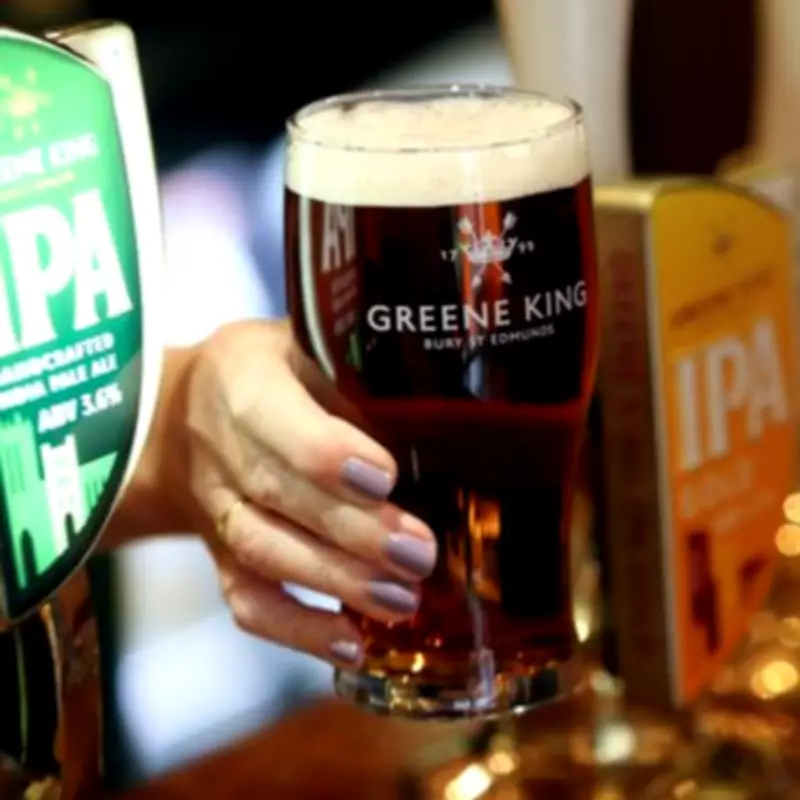
Greene King Considers Major Pub Portfolio Restructuring
Greene King, one of the United Kingdom's largest pub operators, is currently exploring a substantial restructuring of its extensive portfolio. According to recent reports, the company is actively considering the sale of approximately 150 pubs across the country. This potential move represents a significant shift in strategy for the historic brewery and pub chain, which has been a staple of the British hospitality sector for centuries.
Potential Conversion to Tenanted Model
In addition to the proposed sales, Greene King is also evaluating the conversion of another 150 pubs into tenanted operations. This model would involve leasing these establishments to independent landlords, rather than managing them directly as part of the company's managed estate. Such a transition could allow Greene King to reduce operational costs and focus resources on its core managed pub business, while still maintaining a presence in these locations through franchise-like arrangements.
The consideration of these measures comes at a time of evolving challenges and opportunities within the UK pub industry. Factors such as changing consumer habits, economic pressures, and regulatory shifts have prompted many operators to reassess their business models. Greene King's potential restructuring reflects a broader trend in the sector towards portfolio optimisation and operational efficiency.

Implications for the Hospitality Sector
If implemented, this shake-up could have notable implications for the UK's pub landscape. The sale of 150 pubs might lead to:
- Opportunities for independent buyers or smaller chains to expand their presence.
- Potential closures or repurposing of some sites, depending on market demand.
- Changes in employment and local community dynamics around affected pubs.
The conversion of additional pubs to tenanted models could also influence how these establishments are run, potentially offering more autonomy to landlords while altering Greene King's direct involvement. This dual approach of sales and conversions suggests a nuanced strategy aimed at balancing divestment with retained influence through tenancy agreements.
As this story develops, stakeholders including employees, customers, and industry analysts will be closely monitoring Greene King's decisions. The company has not yet provided official confirmation or detailed timelines, but the reported considerations highlight the ongoing adaptation within the traditional pub sector to modern economic realities.






