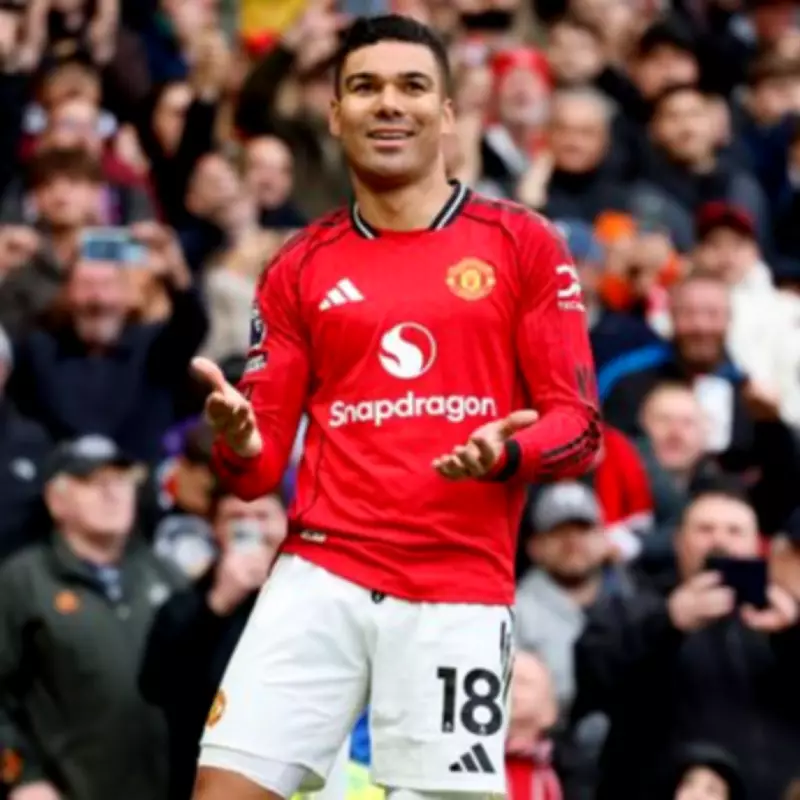
In a bold move that breaks with recent tradition, Manchester United have made the correct call in deciding to part ways with Casemiro, even as most supporters clamour for him to stay. This decision, driven by co-owner Sir Jim Ratcliffe, underscores a necessary shift towards long-term planning over short-term sentiment.
Legendary Disagreement: Robson's View Versus Reality
It feels almost heretical to contradict Bryan Robson, a Manchester United legend and one of the finest midfielders of his era. Robson, whose opinions command immense respect, has publicly urged Michael Carrick to retain Casemiro, praising the Brazilian's footballing intellect, passing ability, and tackling prowess. He highlighted Casemiro's successful tenure at Real Madrid, where he won multiple Champions League titles, as proof of his top-tier quality.
However, this perspective overlooks critical factors. Since announcing his summer departure, Casemiro has enjoyed an emotional farewell from fans, including chants of "one more year" during United's 3-1 victory over Aston Villa. Yet, sentiment cannot cloud the hard truths of football economics and squad development.

The Financial and Strategic Imperative
Upon acquiring a stake in Manchester United, Sir Jim Ratcliffe and his INEOS group initiated a thorough review of the squad, scrutinising each player's contract. What emerged was stark: Casemiro, aged 34, was earning nearly £400,000 per week. While Ratcliffe acknowledged the player's world-class pedigree, he questioned the logic behind investing £70 million plus hefty wages in a 30-year-old with prior fitness concerns at Real Madrid.
This revelation points to a broader pattern. Real Madrid's willingness to sell Casemiro stemmed from similar calculations—he was becoming a financial burden and was perceived as past his prime. Thus, United inherited what Madrid deemed an indulgence, turning Casemiro into an expensive sticking plaster rather than a sustainable solution.
Casemiro's Role: Short-Term Fix, Not Long-Term Future
Casemiro has undoubtedly served a purpose at Old Trafford, acting as a revelation under Michael Carrick and providing stability in midfield. However, his tenure represents a short-term fix, not a foundation for the future. Questioning his departure reflects a lack of vision and foresight—issues that have plagued Manchester United in recent years.
For once, Ratcliffe has made a prudent decision. The club must now prioritise fresh legs in midfield, targeting a player around whom the manager can build a team for seasons to come. This approach aims to add lasting value and propel United forward, rather than clinging to past glories.
Looking Ahead: Building a Sustainable Squad
The move signals a commitment to strategic renewal. By cutting ties with high-earning veterans like Casemiro, United can reallocate resources towards younger, dynamic talents who align with long-term objectives. This shift is essential for competing at the highest levels, where financial prudence and squad planning are paramount.
In conclusion, while fans and legends like Bryan Robson may lament Casemiro's exit, Sir Jim Ratcliffe's ruthless decision exemplifies the forward-thinking leadership Manchester United desperately needs. It's a step towards shedding costly indulgences and embracing a future built on sustainable success.