UK Government Arranges Lone Rescue Flight as Over 130,000 Brits Register as Stranded in Middle East
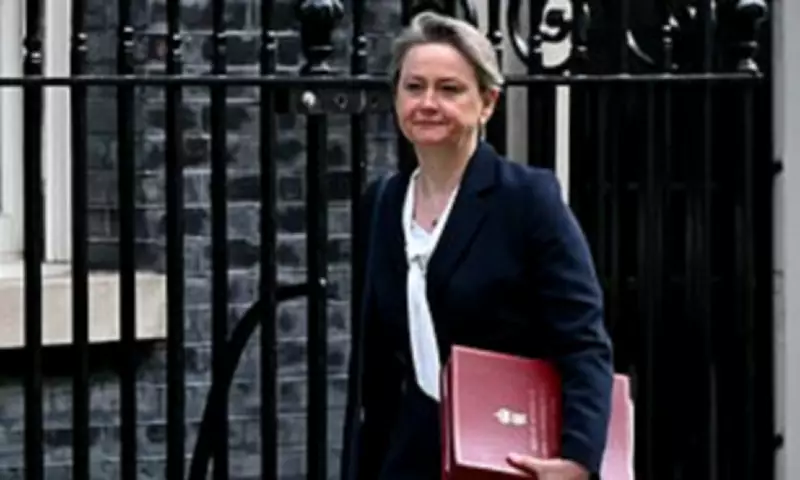
The British government is organising a single charter rescue flight from Oman, despite an unprecedented 130,000 British nationals declaring themselves stranded across the Middle East and potentially requiring evacuation. Foreign Secretary Yvette Cooper informed the House of Commons that the government-chartered aircraft will depart from Muscat "in the coming days," prioritising vulnerable individuals.
Unprecedented Numbers and Widespread Disruption
Ms Cooper disclosed that 130,000 British citizens had signed up to the Register Your Presence programme by this morning, describing this figure as "unprecedented." The crisis stems from the coordinated US and Israeli attack on Iran last Saturday, which prompted retaliatory strikes and led to the widespread closure of Gulf airspace. This has resulted in the cancellation of more than 11,000 commercial flights, affecting approximately one million travellers globally.
While evacuation plans are under consideration, the UK appears to be largely dependent on the reopening of commercial air routes, given the current limitation to just one confirmed rescue flight. Ms Cooper emphasised the government is working with airlines to increase capacity out of Muscat, but British nationals in Oman must await direct contact from the Foreign Office regarding available options.

Personal Accounts of Terror and Chaos
The Daily Mail documented the experiences of relieved Britons who managed to return on an Etihad Airways flight from Abu Dhabi to Heathrow Terminal 4, one of the few departures since the conflict escalated. Isabel Robertson, 29, from Windsor, described the situation as "terrifying," having heard explosions near Dubai Marina and Palm Jumeirah—areas popular with Western tourists—which saw attacks including a fire at the luxury Fairmont The Palm hotel.
Amy Maguire, 23, travelling with her baby daughter and parents, recounted the horror of not knowing if her child was safe, while Fay McCaul, 41, described chaotic scenes at Abu Dhabi airport as sirens warned of potential missile strikes. Joseph Hughes, 31, from Liverpool, noted the surreal atmosphere of people relaxing by pools while missiles flew overhead, and expressed relief at being among the few to secure a flight home.
Mounting Pressure and Contingency Planning
With Iranian missiles and drones continuing to target locations across the region, major airlines like Emirates and Qatar Airways have grounded flights until at least Tuesday. Ms Cooper indicated that an estimated 300,000 British citizens are in Gulf countries now targeted by Iran, heightening the urgency for evacuation strategies.
The UK government is understood to be developing contingency plans, potentially involving overland evacuations from the UAE, Bahrain, Kuwait, and Qatar to Saudi Arabia. Meanwhile, non-essential personnel at RAF Akrotiri in Cyprus have been issued dispersal orders following a drone attack, underscoring the escalating regional tensions.
This disruption marks one of the most significant travel crises since the pandemic, with nearly 6,000 flights cancelled worldwide and almost 30,000 delayed, according to FlightRadar. The Foreign Office continues to advise against all travel to 21 Middle Eastern countries and urges those already in the region to shelter in place and register their presence.