
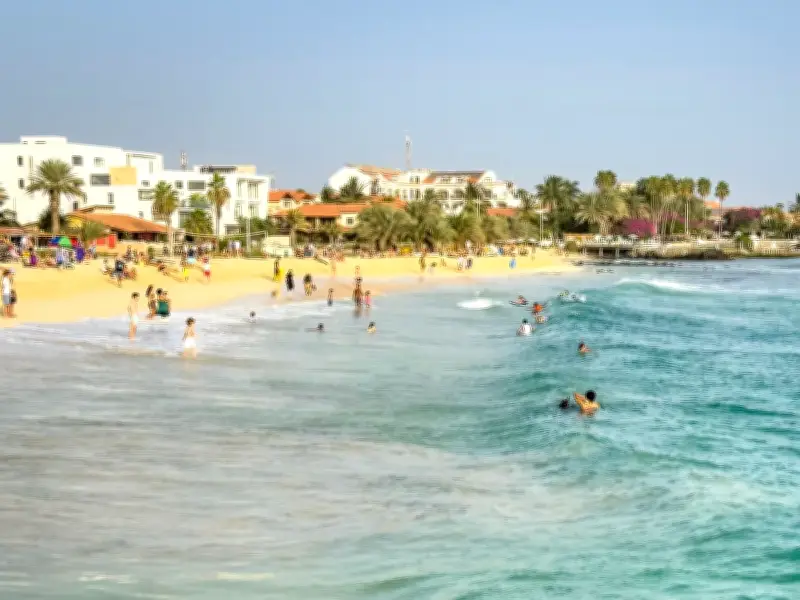
UK health experts have revealed that 164 people have returned to England, Scotland and Wales from a holiday hotspot suffering from a serious infection. In a new update, the Foreign Office-backed Travel Health Pro said people need to take extra precautions.
Outbreak on Cape Verde Islands
The outbreak of stomach illnesses Shigella – also known as shigellosis or dysentery – and Salmonella has been taking place on the Cape Verde Islands, a popular spot with UK travellers. Officials said that in the last eight months, cases of Shigella and Salmonella infection have been reported in travellers returning to England, Scotland and Wales from the Cape Verde Islands.
Out of 164 confirmed Shigella cases, most – 112 – people reported travel to Cape Verde, mainly to the Santa Maria and Boa Vista areas. As of June 2026, out of 99 confirmed Salmonella cases from three separate clusters reported in England, Scotland and Wales since 1 October 2025, a total of 70 people reported travel to Cape Verde. Cases in the largest of the Salmonella clusters peaked in January 2026.
European and US Cases
The European Centre for Disease Prevention and Control (ECDC) also reported an upsurge in cases of Shigella in travellers returning from Cape Verde since September 2022. Over 1,000 confirmed and possible cases of shigella and other gastrointestinal infections, including salmonella, have been detected in travellers returning from Cape Verde to 13 countries in the European Union/European Economic Area: Belgium, Czechia, Denmark, Finland, France, Germany, Ireland, Luxembourg, Norway, Poland, Portugal, Sweden and the Netherlands. Cases have also been reported in US travellers who visited Cape Verde.
Understanding Shigella and Salmonella
Shigella are bacteria that can cause shigellosis, a gut infection that can cause severe diarrhoea, fever and stomach cramps. Most people recover within a week. However, some individuals, such as older adults, individuals with weakened immune systems, anyone with complex medical conditions, pregnant women and children under five, may be at greater risk of complications, including sepsis.
Shigella is spread by contact with contaminated faeces either directly through person-to-person transmission or indirectly from food, water or surfaces contaminated with Shigella. There is a risk for travellers to places where food and water may be unsafe. Worldwide, most Shigella cases are in children younger than five years of age, but all ages can be affected. There is also a risk of sexual transmission for men who have sex with men.
Salmonella infection (salmonellosis) is a bacterial infection that mainly affects the intestines (gut). Symptoms of diarrhoea, stomach cramps, nausea, vomiting and fever usually develop between 12 and 72 hours after becoming infected. Young children, pregnant women, those with underlying health conditions and older people are more likely to experience severe symptoms. Most human cases are from contaminated food and water.
Travel Precautions
Make sure you follow these steps when travelling abroad:
- Practice good food and water hygiene at all times, even in high-end, all-inclusive resorts.
- Wash your hands often, including before eating or preparing food, after using the toilet, after changing nappies and before and after sex.
- Eat recently prepared food that is fully cooked and served piping hot.
- Where there is no clean water supply, drink only bottled or boiled tap water (this includes brushing your teeth).
- Always avoid ice in your drinks.
- Avoid fresh fruit that you have not peeled yourself and salads not washed with bottled or boiled water.
- Avoid swallowing water from ponds, lakes and swimming pools.




