
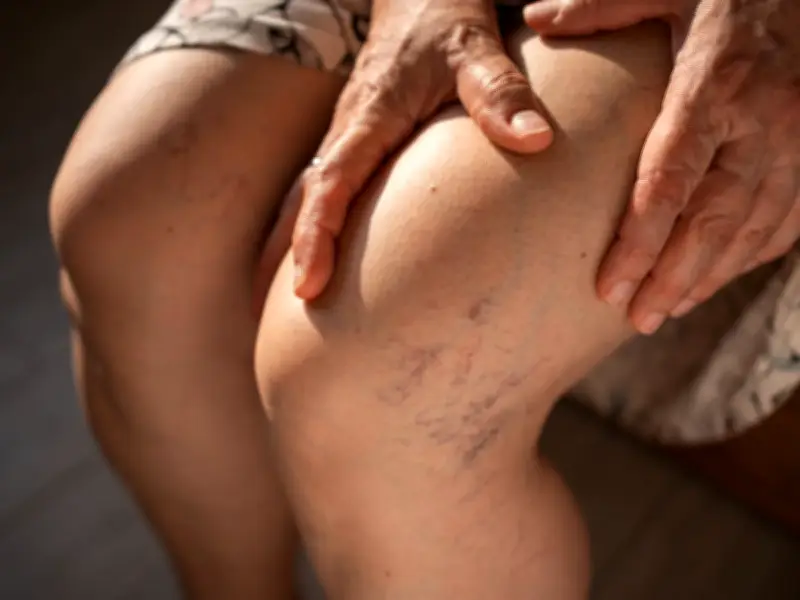
A doctor has warned holidaymakers to watch for blue, red or dark patches on their skin after a flight, as these could be signs of a serious blood clot. Millions of people will jet off on summer holidays in the coming months, and a vascular consultant says travellers should be aware of tell-tale signs before they become a medical emergency.
What Is DVT?
Dr Mark Regi, a consultant interventional radiologist at VeinCentre, explained that air travel, particularly long-haul flights, can put extra strain on the circulatory system due to limited movement for long periods. People with poor circulation or varicose veins are at greater risk of deep vein thrombosis (DVT), a blood clot usually found in the leg.
“For most people, a walk around the cabin and some compression socks will do the trick, but it’s always worth knowing the signs to look out for that something potentially serious could be happening,” Dr Regi said.
Symptoms of DVT
Symptoms of DVT include a throbbing pain in the calf or thigh, swelling in one leg, swollen veins, and the skin around the leg becoming red, blue or darkened. Dr Regi advised: “If any swelling doesn’t ease after a flight and you experience a dull ache or heavy cramping, then it’s always worth speaking to a doctor.”
He added that DVT can be serious, so travellers should keep a close eye on any changes that don’t settle down. If shortness of breath or chest pain occurs together with these symptoms, medical advice should be sought straight away, as this could be a sign a clot has travelled to the lung.
Celebrity Case
Last year, influencer Molly-Mae Hague told how she feared she had suffered a blood clot after experiencing severe pain in her leg following a flight home from Dubai. After rushing to hospital, doctors gave the former Love Island star the all clear. She told fans: “It needs to be taken so much more seriously because it can happen to anyone at any age.”
Prevention Tips
Dr Regi recommends that people with varicose veins or poor circulation should move around as much as practical during long-haul flights. Twisted or bulging veins can struggle to circulate blood effectively during extended periods of immobility. He advises investing in medical-grade compression stockings, staying hydrated, and minimising alcohol and caffeinated drinks. Exercises such as calf raises and ankle pumps can also keep blood pumping around the legs when passengers cannot get up to walk.
Treatment for Varicose Veins
Dr Regi notes that varicose veins are often seen as purely a cosmetic issue, but they should be taken seriously as they indicate veins are not working properly. Treatments are available that focus on underlying venous insufficiency to alleviate symptoms and prevent complications. Endovenous Laser Ablation (EVLA) is a minimally invasive procedure that uses laser energy to close off affected veins, treating the root cause of varicose veins.




