
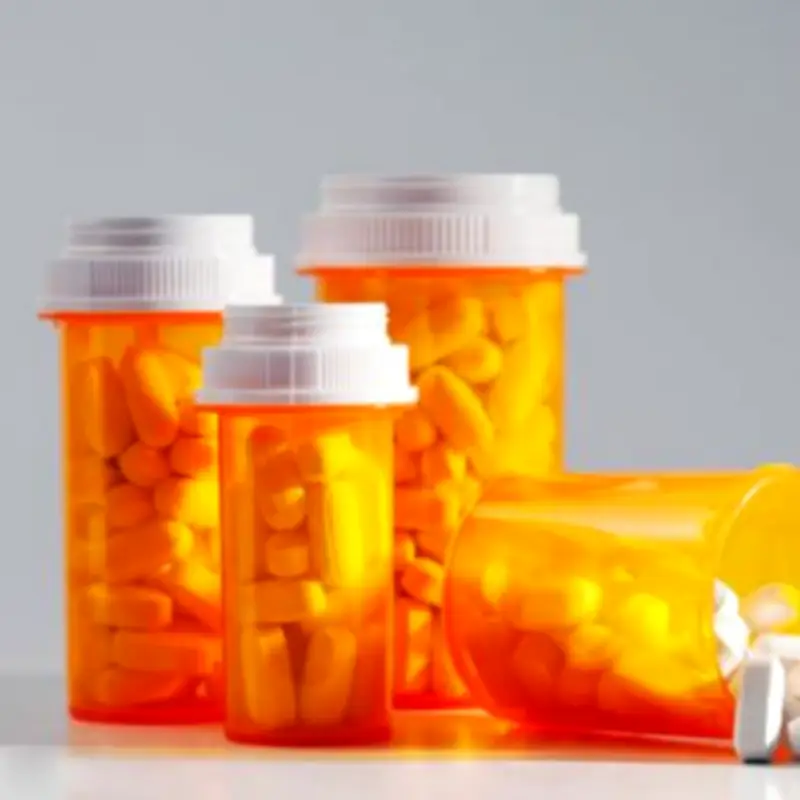
As temperatures across the UK are set to climb back above 30°C this weekend, doctors are issuing a warning to anyone taking certain medications. The Met Office forecasts a break from recent wet weather, with conditions feeling "notably warmer". Deputy chief meteorologist Greg Wolverson said Saturday will bring a more settled day across southern areas, with sunny spells and temperatures reaching 22-23°C. Sunday looks set to be widely dry, with temperatures rising further, especially in western parts and southern England where they may reach 23-24°C. Met Office spokesman Dan Stroud noted a "definitely a chance" of exceeding 30°C, particularly in the south and southeast on Monday.
Medications That Increase Heat Risk
GP Dr Hugh Coyne warns that certain drugs can create a "perfect storm" of side effects in hot weather. These include:
- Anticholinergic drugs: Some bladder medications and older antihistamines reduce sweating, a key cooling mechanism.
- Antipsychotics and lithium: They affect the hypothalamus, the brain's temperature-control centre.
- Beta-blockers and calcium channel blockers: Commonly prescribed for anxiety and heart problems, they limit the body's ability to move heat to the skin.
- Diuretics: Used for heart failure and kidney disease, they increase dehydration risk.
- Antidepressants and SSRIs: They affect thermoregulation pathways.
Cumulative Effects and Double Risk
Dr Coyne, co-founder of Coyne Medical, explains that the greatest concern is for people taking more than one of these medications, as effects can be cumulative. Heatwaves can cause dehydration, making drugs like lithium and digoxin reach toxic levels. Research indicates that people on psychiatric or cardiovascular medications face roughly double the risk of heat-related illness and death during extreme heat.
What to Do
Dr Coyne advises: "The key message is not to stop or alter prescribed medication without medical advice. Suddenly discontinuing treatment can carry significant health risks." Instead, focus on staying cool and well hydrated. Avoid prolonged sun exposure during the hottest part of the day, seek cooler indoor environments, and drink fluids regularly. For signs of shock, a serious complication of dehydration, call 999 or go to A&E.




