Mastering the Art of Salmon Preparation
Salmon remains one of the most popular and versatile fish varieties featured in countless culinary creations, yet achieving perfectly cooked results consistently proves challenging for many home cooks. With supermarket prices for quality salmon continuing to rise, mastering reliable cooking techniques has become increasingly essential for both budget-conscious shoppers and culinary enthusiasts seeking restaurant-quality outcomes.
The Sous Vide Solution for Delicate Texture
Andrew Green, executive head chef at The Municipal Hotel & Spa in Liverpool, identifies overcooking as the most common mistake in salmon preparation. "I frequently visit various restaurants and consistently encounter salmon that has been cooked beyond its ideal point," Green explains. "This typically occurs when chefs opt for the quickest, most straightforward cooking approach without proper attention to temperature control."
The visual indicator of overcooked salmon manifests as albumin coagulation, appearing as a white, gooey substance that seeps from the fish. This occurs when muscle fibers contract under high heat, forcibly expelling moisture from the flesh. Green advocates for a gentler, more prolonged cooking method using sous vide technology.

His recommended technique involves cooking salmon fillets in quality olive oil or fat at precisely 50°C for approximately 30 to 45 minutes. This approach yields exceptionally delicate, buttery-textured fillets. For finishing touches, Green suggests using a blow torch to create a flavorful crust on the presentation side, adding subtle charring notes while avoiding albumin seepage entirely.
Crisping Skin for Textural Contrast
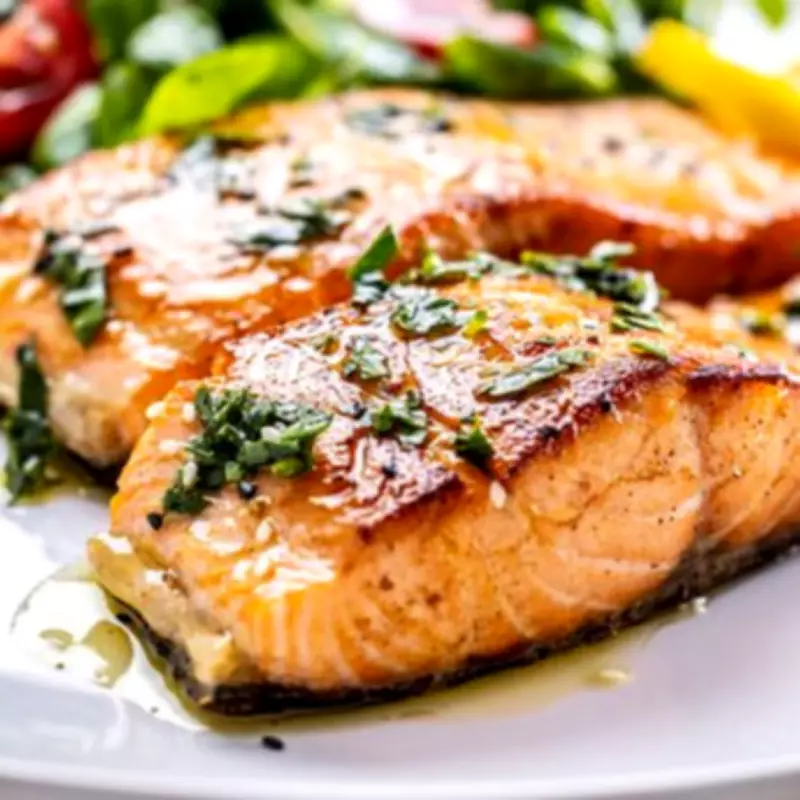
Will Hickton, head chef at The Club House in West Bexington, emphasizes the importance of salmon skin in the cooking process. "The fundamental secret involves allowing the skin to perform the majority of the work," Hickton reveals. His method begins with scoring the skin before cooking the salmon almost entirely on that side with a small amount of high-quality olive oil.
Approximately ninety percent of the cooking time should focus on the skin side, enabling it to crisp beautifully while the flesh maintains its tender qualities. A brief flip at the conclusion of cooking preserves both the crisp skin texture and perfectly pink interior. This technique creates appealing textural contrast between the crunchy exterior and soft interior without compromising moisture retention.
Poaching for Flavor Infusion
James Golding, chef director at Rockwater, champions poaching as an ideal method for preserving salmon's delicate texture while simultaneously infusing complementary flavors. "Poaching salmon not only maintains its softness but introduces complex flavors without requiring complicated procedures," Golding notes. He recommends incorporating acidic elements like lemon into the poaching liquid to enhance the fish's natural characteristics.
Mark McShane, founder of the Food Hygiene Certificate, concurs that poaching represents one of the gentlest approaches to salmon preparation. "This technique allows chefs to highlight the fish's inherent flavors without overwhelming them," McShane explains. Simmering fillets in a broth containing white wine, fennel, and aromatic herbs keeps the flesh exceptionally tender and moist while preventing toughness.
The fragrant herbs and vegetables impart delicate flavor notes that complement rather than dominate the salmon's natural sweetness. McShane suggests pairing poached salmon with light accompaniments such as herb-infused sauces or simple lemon squeezes, allowing the fish to remain the focal point of the dish while introducing refreshing elements.
Searing for Restaurant-Worthy Results
Dean Harper, chef at Harper Fine Dining, advocates for searing as an outstanding technique for preparing salmon with appealing textural complexity. "Searing salmon skin-side down in a hot pan represents one of the simplest methods for adding desirable texture," Harper states. The direct heat rapidly crisps the skin while simultaneously melting the underlying fat.

Once the skin achieves golden crispness, transferring the fillet to the oven ensures even cooking throughout the flesh without overcooking the exterior surfaces. This approach creates contrasting textures between crunchy skin and tender interior while establishing an ideal foundation for complementary sauces. Harper recommends classic beurre blanc for richness and acidity or citrus glazes for freshness that balances the salmon's natural oiliness.
Each professional technique highlights distinct qualities of salmon while transforming simple fillets into restaurant-worthy creations. Whether employing sous vide precision, skin-crisping mastery, gentle poaching, or expert searing, these chef-approved methods provide reliable pathways to perfectly cooked salmon every time.