Influencers Champion Nicotine as Surprising Wellness Trend
In a controversial new health trend, multiple influencers aligned with Robert F Kennedy Jr's Make America Healthy Again (MAHA) movement are promoting nicotine as a beneficial supplement to their followers. These advocates argue that products like patches, gums, and pouches harness a "natural" substance that has been unjustly criticized by the medical establishment.
Scientific Concerns Over Nicotine Use
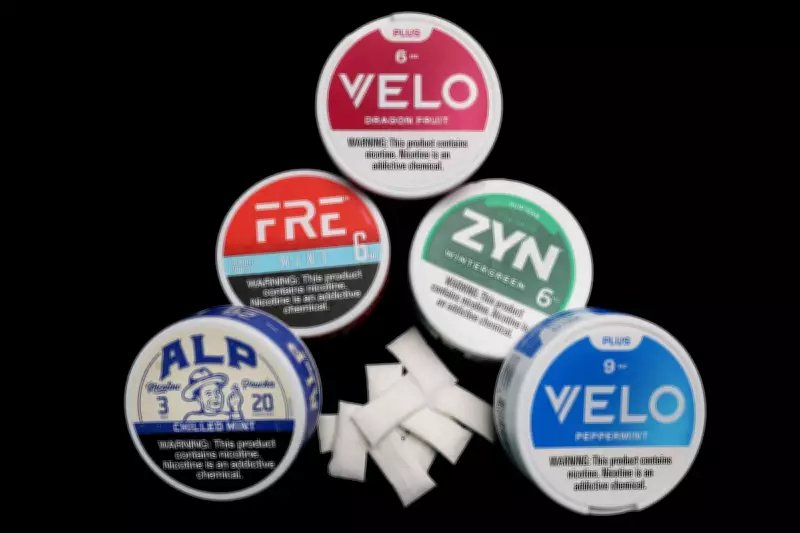
Nicotine pouches entered the U.S. market in 2016, and according to the Centers for Disease Control and Prevention (CDC), researchers are still investigating the short and long-term effects of these items. The CDC explicitly states that there are no safe tobacco products, including nicotine pouches, particularly for youth, young adults, and pregnant women. The agency warns that nicotine can impair brain development, which continues until age 25, and may increase the risk of future addiction to other drugs, with symptoms potentially appearing rapidly even in first-time users.
Furthermore, nicotine is known to elevate blood pressure and heart rate, potentially raising the long-term risk of heart disease. It can also harden arterial walls in the heart, leading to heart attacks, and exacerbate existing cardiac conditions. Despite these dangers, MAHA influencers persist in their endorsement, comparing nicotine's vilification to that of peptides, raw milk, and beef tallow—substances also promoted by Kennedy.

High-Profile Endorsements and Medical Backlash
Notably, the U.S. Health Secretary has been photographed carrying a tin of nicotine pouches and has suggested they are "probably" the safest method of nicotine consumption. Influencers like Dave Asprey, a biohacker with over 1.3 million social media followers, claim nicotine boosts cognitive function, reverses Alzheimer's disease, and extends lifespan. Celebrity fitness expert Jillian Michaels has advocated for low-dose nicotine use on her podcast, citing benefits for Parkinson's disease protection and ADHD management, while urging consultation with doctors.
Even former Fox News host Tucker Carlson, a vocal MAHA supporter, has launched his own brand of nicotine pouches called ALP, praising similar products as "lifesaving." However, medical experts uniformly condemn these promotions. Dr. Adam Leventhal, director of the Institute for Addiction Science at the University of Southern California, emphasizes that if nicotine offered genuine health advantages, the medical community would recommend it to patients—instead, the opposite is occurring.