
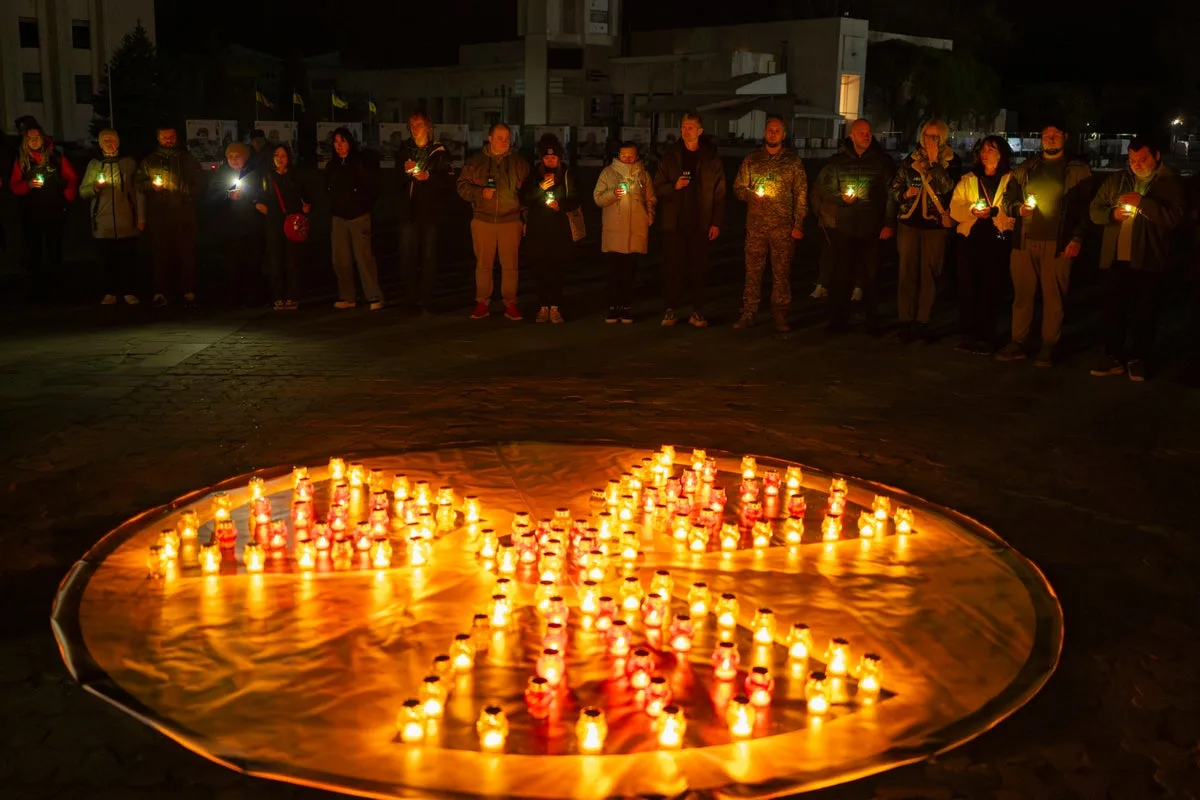
Forty years after the Chernobyl nuclear disaster, newly declassified files from East Germany's Stasi secret police have shed light on the scale of Soviet misinformation. The explosion on April 26, 1986, released radioactive material hundreds of times greater than the Hiroshima atomic bomb, yet Soviet authorities deliberately concealed the true extent of the catastrophe.
The Stasi files, now accessible under German law, show that both the Soviet KGB and East German intelligence knew the explosion was devastating. They kept detailed records of casualties, contamination, and economic damage, but only top officials were informed. The primary concern was not public safety but protecting the reputation of the Soviet bloc.
According to the files, Soviet leader Mikhail Gorbachev instructed officials to tell the public that the plant was being renovated, to avoid reflecting badly on reactor equipment. Another senior official, Nikolai Ryzhkov, proposed three different press releases: one for Soviet citizens, one for satellite states, and another for the West. East German media, under state control, echoed this messaging, insisting there was 'absolutely no danger.'
However, by the mid-1980s, many East Germans could access Western TV and radio, leading them to distrust their own government. Yet they also suspected Western media of bias. The result was widespread confusion, which the Stasi aimed to exploit by flooding the public with conflicting information to induce fatigue and apathy.




