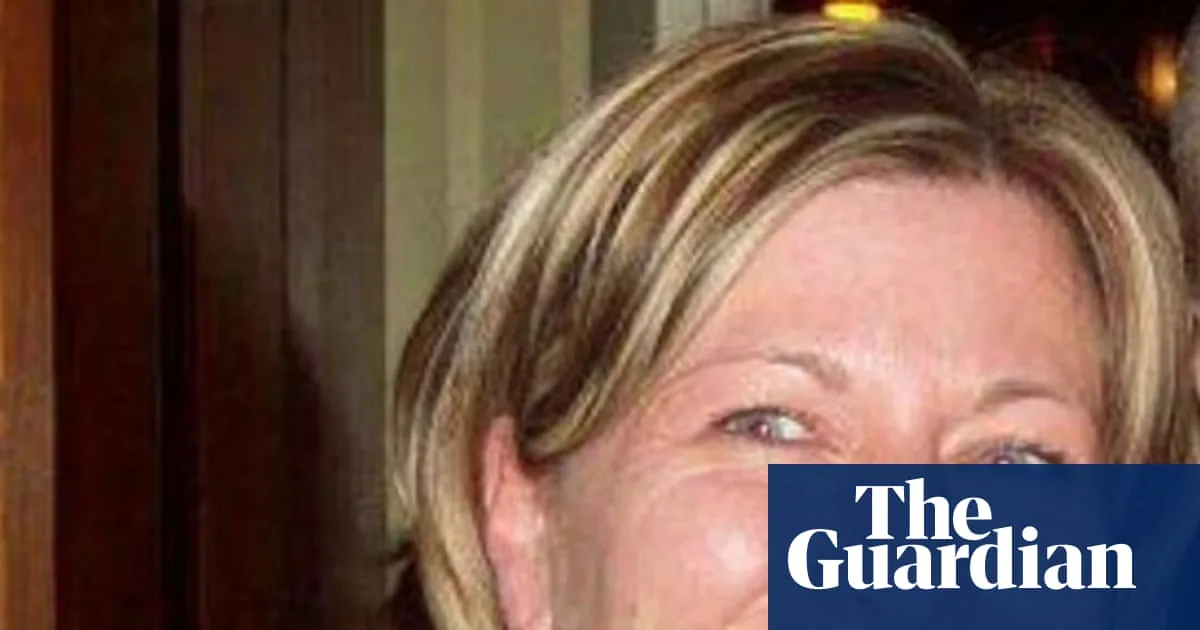
The deeply moving account of a physically healthy but heartbroken mother, who has decided to end her life at a Swiss clinic, has ignited an intense emotional reaction from both sides of the ongoing debate over assisted dying in the United Kingdom. Wendy Duffy, aged 56, is of sound mind and in good physical health, yet she is so devastated by the tragic loss of her only child in an accident that she has chosen to take her own life at the controversial Pegasos 'suicide clinic' this week.
A Year in the Making: Wendy Duffy's Decision
In an exclusive interview, Wendy Duffy told the Mail, 'I want to die, and that's what I'm going to do. My life; my choice.' She explained in heart-rending detail the reasoning behind her decision, which was a year in the making. Her story comes at a critical time, as assisted dying legislation is expected to fall in the House of Lords, which is running out of time to conclude debates on the Terminally Ill Adults (End of Life) Bill by Friday.
The Impact on Family and Legal Risks
Wendy shared her story to draw attention to what she calls the 'unfairness' of the current system on her family. She has already attempted to take her own life and failed, and has now informed her four sisters and two brothers of her decision. However, she did not disclose the timescale to protect them, as anyone who travels with her or assists in her suicide could face police investigation or even prosecution in the UK.
Pegasos Clinic: Rigorous Process and Swiss Law
Wendy's suffering has been deemed sufficient to meet the Pegasos criteria, with a panel of experts, including psychiatrists, approving her application after months of assessment and review of her full medical records. Under Swiss law, it is forbidden to profit from assisted death, and Pegasos operates as a non-profit organisation. Clients fund the medication, pay for doctors—who cannot earn more than they would in a hospital—and cover funeral costs, with a portion going to the Swiss state.
Growing concern over 'death tourism' has led to an agreement between clinics and authorities, ensuring that police and coroner charges are met by the clinics. Pegasos founder Ruedi Habegger emphasised the rigorous process, stating, 'there is a red line that we cannot cross, otherwise it is not assisted suicide; you could actually call it murder.'
Opposition and Support in the UK
Wendy is not the first British person to travel to the Pegasos clinic, but she is the first to speak so publicly. Opponents of assisted dying law changes, such as Alistair Thompson of Care Not Killing, argue that legalisation could lead to non-terminally ill individuals demanding the same right. He cited cases involving diabetes, eating disorders, and homelessness in Canada, warning, 'Once you legalise assisted killing, it is only a matter of who is eligible.'
Labour MP Rachel Maskell, who voted against assisted dying, stressed the need for better support for complex grief and trauma management, saying, 'the answer is not ending your own life.' She also expressed alarm over the Pegasos clinic, urging Parliament to explore ways to protect vulnerable people from such services.
Political Stalemate and Public Protests
Protests were held outside Parliament yesterday by assisted dying supporters, with Dame Esther Rantzen's daughter, Rebecca Wilcox, accusing the House of Lords of 'democratic vandalism' for blocking the vote. Kim Leadbeater, the MP who proposed the legislation, called it 'wrong, democratically and morally' that the Bill was talked out. Opponents have been accused of using procedural tactics, such as tabling over 1,000 amendments, to stall the Bill.
Broadcaster Prue Leith, attending the protest, labelled the Lords' actions 'criminal,' noting that a handful of peers produced amendments to ensure the Bill runs out of time. Supporters claim many backbench MPs are willing to revive the legislation after the next parliamentary session begins on May 13.
Public Opinion and Future Outlook
A major study last year revealed that three-quarters of Brits support assisted dying, with more than half considering travelling to Switzerland if terminally ill. As the debate intensifies, Wendy Duffy's story highlights the profound personal and political dimensions of this issue, underscoring the urgent need for compassionate solutions and legislative clarity in the UK.






