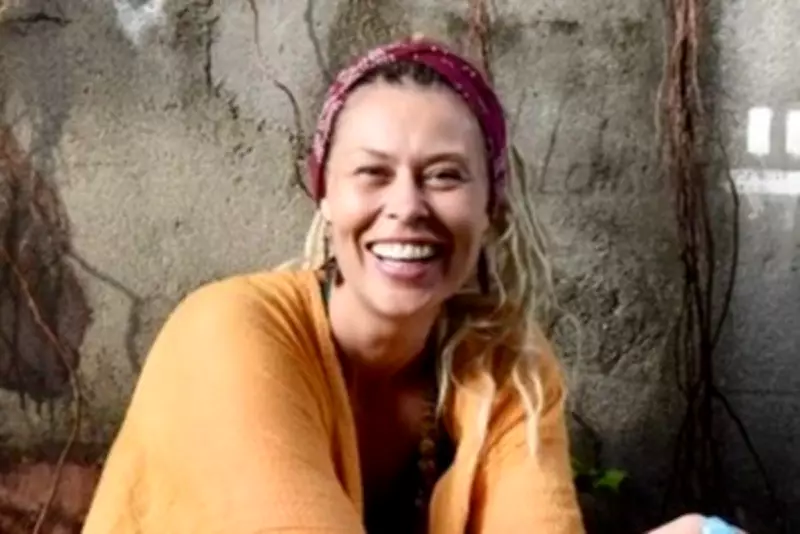
Women with ADHD Face Severe Underdiagnosis Crisis Across UK
Kat Frize has revealed the profound challenges she faced throughout her life before receiving what she describes as a "life-changing" ADHD diagnosis at age 37. Experts are now issuing urgent warnings that women and girls with attention deficit hyperactivity disorder remain severely underdiagnosed across the United Kingdom, creating what many describe as a hidden health crisis.
A Lifetime of Unrecognised Struggles
Now 39, Frize experienced intense exhaustion, difficulties maintaining relationships, communication challenges, and frequent hospital visits due to accident-related injuries throughout her younger years. These symptoms went unrecognised as ADHD for nearly four decades, a pattern experts say is tragically common among women.
"It wasn't that I was the problem; it was just that my brain worked differently and I needed a different environment to really thrive," Frize explained, reflecting on her journey to diagnosis.

The Turning Point: Motherhood and Private Healthcare
The birth of her daughter, who has since been diagnosed with both ADHD and autism, prompted Frize to investigate her own symptoms. Facing potentially years on NHS waiting lists just for an assessment, she was forced to seek private healthcare, acknowledging her fortunate position to afford this option when many cannot.
"A lot of people describe a period of grieving when you realise all those mistakes you made and challenges you had," Frize said, recalling her diagnosis in 2024. "You question whether things would have been different with earlier recognition."
The Medication Revelation and Ongoing Treatment
Approximately two years after beginning her diagnostic journey, Frize finally received appropriate treatment. She describes the first day she took medication as a "moment of great revelation," when her brain suddenly became quiet and clear for the first time in her life.
"I'm able to be a better mum to my kids," she said, emphasising how her diagnosis and subsequent treatment have been "really genuinely life-changing."
Experts Warn of Systemic Underdiagnosis in Women
Research reveals alarming disparities in ADHD diagnosis rates between genders. While the childhood ratio of boys to girls with ADHD is approximately 3:1, this evens to about 1:1 in adulthood, strongly suggesting that women and girls are significantly underdiagnosed during their younger years.
Dr Chris Abbott, chief medical officer at Care ADHD, explained the phenomenon: "Girls with ADHD don't always fit our idea of what ADHD 'looks' like. They may not be visibly hyperactive, impulsive or disruptive in the classroom or at home. Instead, they may struggle in 'hidden' ways."
Dr Abbott highlighted how gendered social expectations shape diagnosis patterns: "Many girls learn to be 'good,' stay quiet and blend in, so ADHD is more likely to emerge as an inward struggle rather than outward disruption. This 'masking' may look like success externally but carries real internal costs: chronic stress, exhaustion, anxiety and low mood."
Challenging the Overdiagnosis Narrative
As International Women's Day approaches, Frize is issuing a stark warning about the countless women and girls with undiagnosed ADHD who continue to struggle silently. She strongly condemns narratives suggesting mental health conditions are being overdiagnosed, calling such claims "completely inaccurate" and "distressing" for sufferers.
"It's not that we overdiagnose, it's that we've been underdiagnosing for so many decades," Frize asserted. "We owe it to our women and girls to give them the answers they need. When they have them, they can really thrive, and when they don't, there can be all sorts of risks."
Systemic Challenges and NHS Response
Recent reports suggest more than half a million people are estimated to be waiting for ADHD assessments within the NHS, creating what many describe as an accessibility crisis. A study presented to the European College of Neuropsychopharmacology last year found that ADHD in women is diagnosed roughly five years later than in men, despite symptoms appearing at the same age.

An NHS spokesperson acknowledged the challenges: "We know we have a lot to do to improve ADHD care and that too many women and girls are waiting too long for an assessment to be diagnosed. The NHS is now implementing the recommendations of the independent ADHD taskforce to redesign local services, transform support and bring down waiting times."
Government Initiatives and Future Directions
A government spokesperson outlined current efforts: "No one with ADHD should be left without clear clinical oversight or feeling in limbo about their care. We have launched an independent review to examine how ADHD, mental health and autism services are delivered to help ensure patients can get the right support."
The government has also announced £9.5 million in funding for 2025-26 to continue delivering Partnerships for Inclusion of Neurodiversity in Schools across approximately 1,200 additional schools, potentially reaching 300,000 children with conditions including dyslexia, autism, and ADHD.
Now serving as chief operating officer at Care ADHD, Frize continues to advocate for increased awareness, improved support systems, better access to services, and expanded research into women's neurodiversity health issues. Her personal journey from struggle to diagnosis to advocacy highlights both the profound challenges and transformative potential of proper ADHD recognition and treatment for women across the United Kingdom.