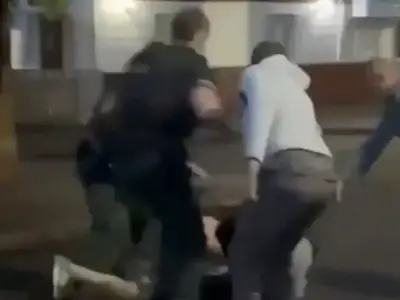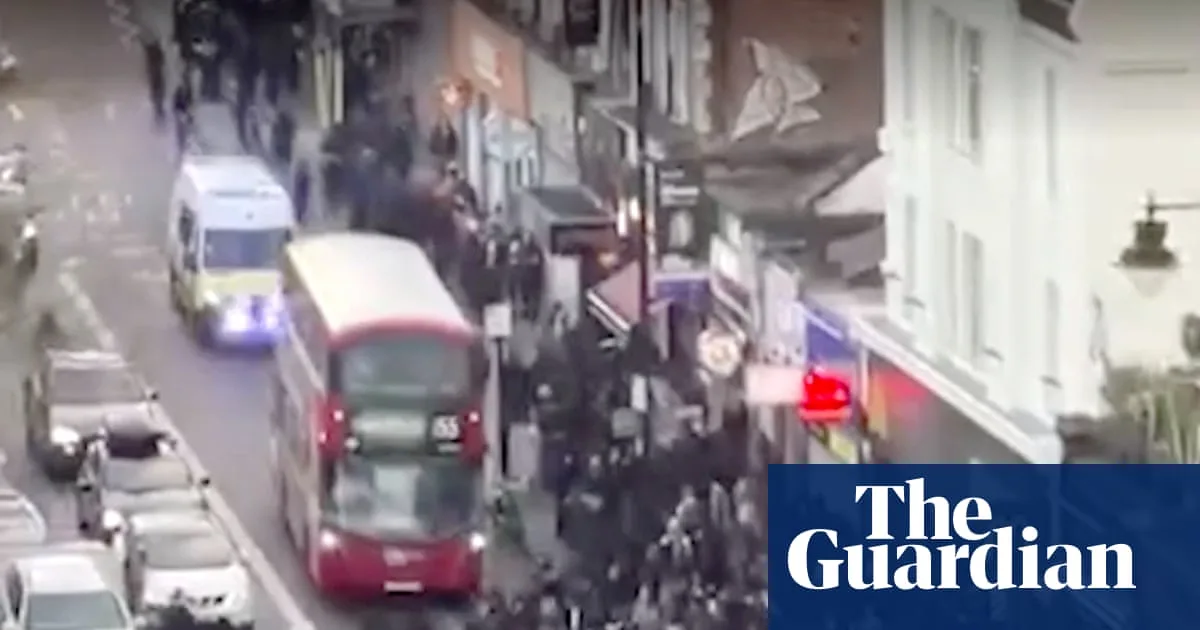
Academics and youth workers have weighed in on the recent mass teen gatherings in Clapham, south London, pointing to cuts in youth services and a lack of public spaces as underlying causes. The events, which saw hundreds of young people gather on Clapham High Street and Clapham Common, led to shopkeepers locking their doors, fights in a Marks & Spencer, and fireworks being set off.
The gatherings were organised via Snapchat and TikTok, with flyers circulating online. The Metropolitan Police imposed a 48-hour dispersal order, and six teenage girls have been arrested. Politicians including Conservative leader Kemi Badenoch, Mayor Sadiq Khan, and Reform UK leader Nigel Farage condemned the disorder, with Badenoch citing a 'culture where too many young people believe they can do what they like'.
Professor Lee Elliot Major of the University of Exeter said the 'speed and scale' of social media has amplified such events, but noted that young people organising meet-ups is not new. He argued that the dismantling of physical spaces like youth clubs and community centres has left digital platforms as the primary means for teenagers to arrange real-life encounters. 'We’ve dismantled the physical spaces where young people used to gather safely,' he said.

One teenager who attended the Clapham link-up told Metro that 'word of mouth' helped spread the event, and that many just wanted somewhere to hang out. 'There’s not really many places to go,' they said, adding that the event spiralled out of control when a few people came looking for trouble.
Dr Tania de St Croix of King’s College London described the public reaction as a 'moral panic', arguing that language like 'feral teens' demonises young people unfairly. A YMCA report found that local authority funding for youth services in England has fallen by 76% in real terms since 2010–11, a loss of £1.3bn.