Premier League's Set-Piece Obsession Exposed in European Defeats
English football clubs endured a chastening week in European competition, with their much-vaunted set-piece strategies spectacularly backfiring against more expansive continental opponents. The Premier League's elite, accustomed to domestic dominance through pre-programmed moves and physical blocking, found themselves outmanoeuvred and out-thought in the Champions League.
A Week of European Humiliation
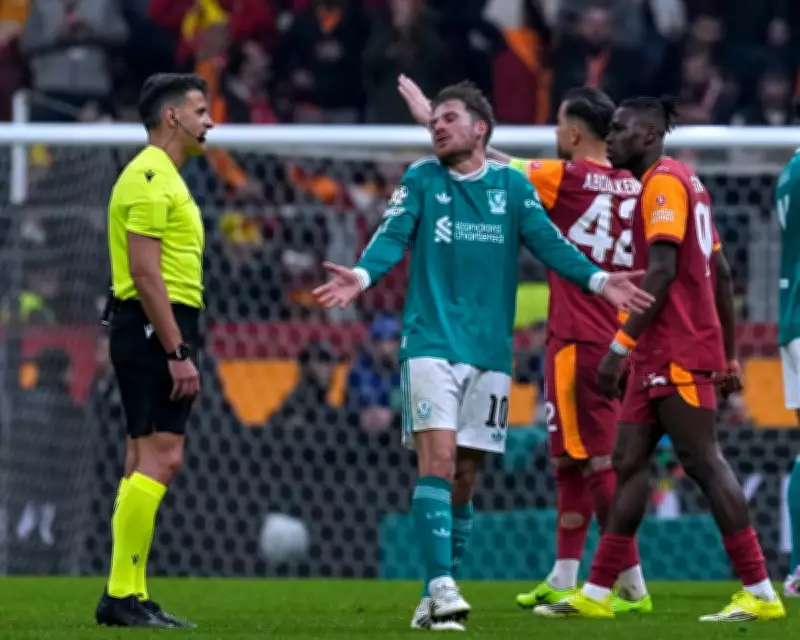
Six matches played, zero victories secured. This stark statistic encapsulates a disastrous round for Premier League representatives in Europe's premier club competition. Liverpool's defeat to Galatasaray, where Alexis Mac Allister's furious gestures towards referee Jesús Gil Manzano symbolised collective frustration, was merely one chapter in a broader narrative of English tactical failure.
Manchester City's strangely open midfield was exploited by Real Madrid's Fede Valverde. Tottenham collapsed within fifteen minutes against individual errors. Chelsea matched Paris Saint-Germain until a goalkeeping error triggered collapse. Newcastle dominated Barcelona only to concede a last-minute penalty. Arsenal's set-piece grappling, exemplified by Declan Rice wrapping arms around opponents, went unpunished domestically but would face scrutiny in Europe.

The Set-Piece Dependency Problem
Liverpool manager Arne Slot had highlighted the difficulty of creating chances against modern defensive setups, positioning set pieces as a tactical workaround. This philosophy permeates Premier League thinking, where crowded six-yard boxes, goalkeeper obstruction, and full-contact grappling have become normalized. European referees, however, enforce laws more strictly, penalizing precisely these practices.
The consequence is stark: Premier League teams, worn down by the relentless physicality of domestic competition, appear mentally and tactically unprepared for opponents who prioritize fluid passing, rapid movement, and individual creativity over pre-rehearsed routines.
Refereeing Disparities and Psychological Warfare
Spanish official Jesús Gil Manzano's performance in Istanbul demonstrated how European referees are primed to detect Premier League set-piece offenses. When Slot questioned why Virgil van Dijk being dragged down went unnoticed, he inadvertently highlighted the problem: English football's reputation for set-piece wrestling makes referees hyper-vigilant to their infractions.
This creates a psychological disadvantage. English teams, accustomed to certain leniencies domestically, must recalibrate their approach in Europe. The directive isn't sinister—merely proper law enforcement—but it exposes how far English football has drifted from universal standards.
Tactical Stagnation and Group-Think
The Premier League appears trapped in collective tactical group-think. After faith in Guardiola-style possession football waned, clubs have embraced set-piece specialization as the new orthodoxy. Yet this week revealed its limitations: what works against very good domestic opponents proves inadequate against Europe's best.
Continental sides displayed expansiveness that bewildered English defenses. Rapid passing flurries, daring dribbles, and unexpected runs—elements increasingly rare in stop-start Premier League matches—proved devastatingly effective. English synapses seemed to short-circuit when confronted with this alien fluency.
Historical Echoes and Future Implications
Michel Platini's description of English clubs as "lions in winter and lambs in spring" feels painfully relevant. The Premier League's physical demands, where even bottom-side Wolves present greater challenges than many European counterparts, accumulate fatigue that hampers European performance.
But this week felt different. It wasn't merely about accumulated tiredness; it was about tactical philosophy. The emperor's new clothes—iPad-wielding coaches directing set-piece routines—have been exposed by impudent European opponents who simply play more expansive football.

A Crossroads for English Football
The question now is how English football responds. Will clubs double down on set-piece specialization, or recognize that over-reliance on this single tool has made them predictable and vulnerable? The Champions League has served notice: what works in domestic competition may fail spectacularly on the continental stage.
Scales have fallen from eyes. English football culture stands at a crossroads, forced to confront whether its current path—however widely followed—leads where it truly wants to go. The answer will define not just European campaigns, but the Premier League's very identity.