Cheltenham Festival 2026: A Mixed Bag of Triumphs and Troubles
The 2026 Cheltenham Festival concluded with a blend of celebration and controversy, marking a partial recovery for British racing after years of decline, yet marred by distressing incidents that cast a shadow over the event. Attendance figures and the number of British-trained winners both saw encouraging increases, but the festival was tainted by horse fatalities, jockey disputes, and renewed scrutiny from animal welfare organisations.
Attendance and British Successes on the Rise
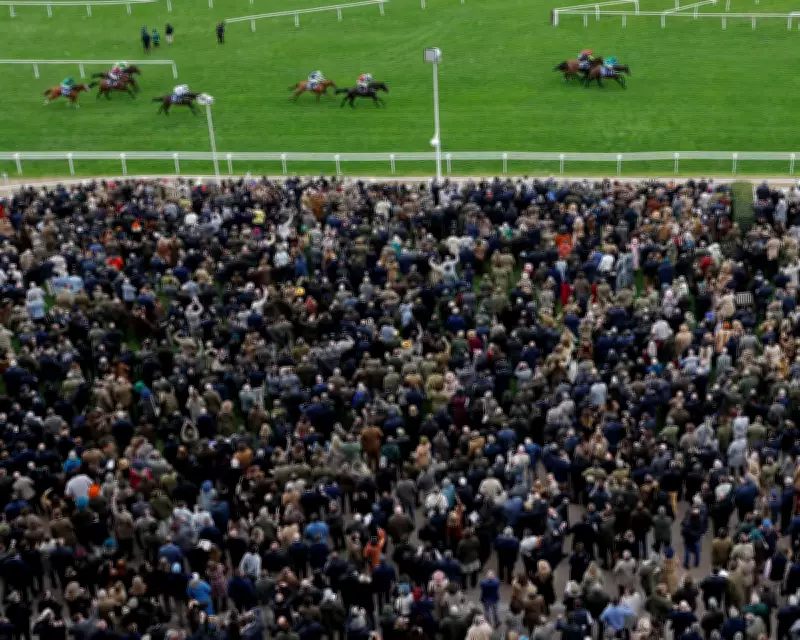
Overall attendance across the four-day festival rose by 3.7%, translating to an additional 8,130 tickets sold compared to previous years. This modest but positive uptick was particularly notable on the second day, rebranded as Ladies' Day, which experienced a 10% surge in crowd numbers, reaching 46,317 attendees. Cheltenham's marketing team is now focused on leveraging this momentum to aim for crowds of 50,000 in future editions.
In a significant boost for homegrown talent, British-trained horses secured 13 victories, surpassing the most optimistic pre-festival predictions. This total exceeded the previous year's eight wins and was spread across nine different training yards, showcasing a broader competitive landscape. However, Irish dominance persisted, with trainer Willie Mullins from County Carlow leading the charge by amassing eight winners, including a prestigious treble in the Champion Hurdle, Champion Chase, and Gold Cup. Jockey Paul Townend further solidified his status by claiming the top-jockey prize for the fifth consecutive year.

Memorable Moments and Betting Highlights
The festival delivered thrilling racing action, with standout performances etching themselves into memory. The roar of the crowd as favourite Old Park Star, ridden by Nico de Boinville, surged up the hill to win the Supreme Novices' Hurdle was a defining moment, hinting at future stardom for the Nicky Henderson-trained horse. Lossiemouth and Gaelic Warrior also captured hearts as popular winners, while underdog stories like Minella Study's third-place finish in the Triumph Hurdle provided heartfelt highlights.
On the betting front, bookmakers enjoyed substantial profits due to a series of unexpected outcomes, including winners at odds of 66-1, 50-1, 40-1, and 33-1. One notable punter in Ireland reaped a windfall of €558,000 from a 50-cent each-way Lucky 63 bet, underscoring the unpredictable nature of the festival.
Controversies and Welfare Concerns
Despite the positives, the festival faced significant setbacks. A viral video of a brawl in a William Hill betting shop on Tuesday sparked negative publicity, while a pre-race spat between jockeys Declan Queally and Nico de Boinville on Wednesday led to allegations of racist abuse and highlighted ongoing issues with race starts, including multiple false starts. The British Horseracing Authority has announced a review of starting procedures and is investigating Queally's complaint.
Tragically, the festival witnessed four horse fatalities from 475 runners. Envoi Allen, an eight-time festival competitor, collapsed and died after the Gold Cup due to an acute cardiovascular collapse—a rare event occurring in approximately nine out of 10,000 starts, according to BHA director James Given. Other fatalities included Saint Le Fort, HMS Seahorse, and Hansard, all from injuries in hurdle races. The Royal Society for the Prevention of Cruelty to Animals (RSPCA) expressed deep sadness, noting that 24 horses have died in UK racing this year alone, and called for enhanced safety measures and welfare improvements.
Industry Response and Future Implications
The racing industry has invested heavily in safety initiatives to reduce fatal injuries, with current rates standing at 0.17% of starts. However, the RSPCA's statement, echoing language used by more radical animal rights groups, signals growing pressure on the sport. As the Grand National approaches, industry leaders may need to mount a robust public relations campaign to highlight ongoing welfare efforts and address concerns proactively.

In summary, the 2026 Cheltenham Festival represented a cautious bounce-back for British racing, with improved metrics and memorable performances. Yet, the shadow of fatalities and controversies serves as a stark reminder of the challenges facing the sport, balancing excitement with ethical responsibility in the public eye.