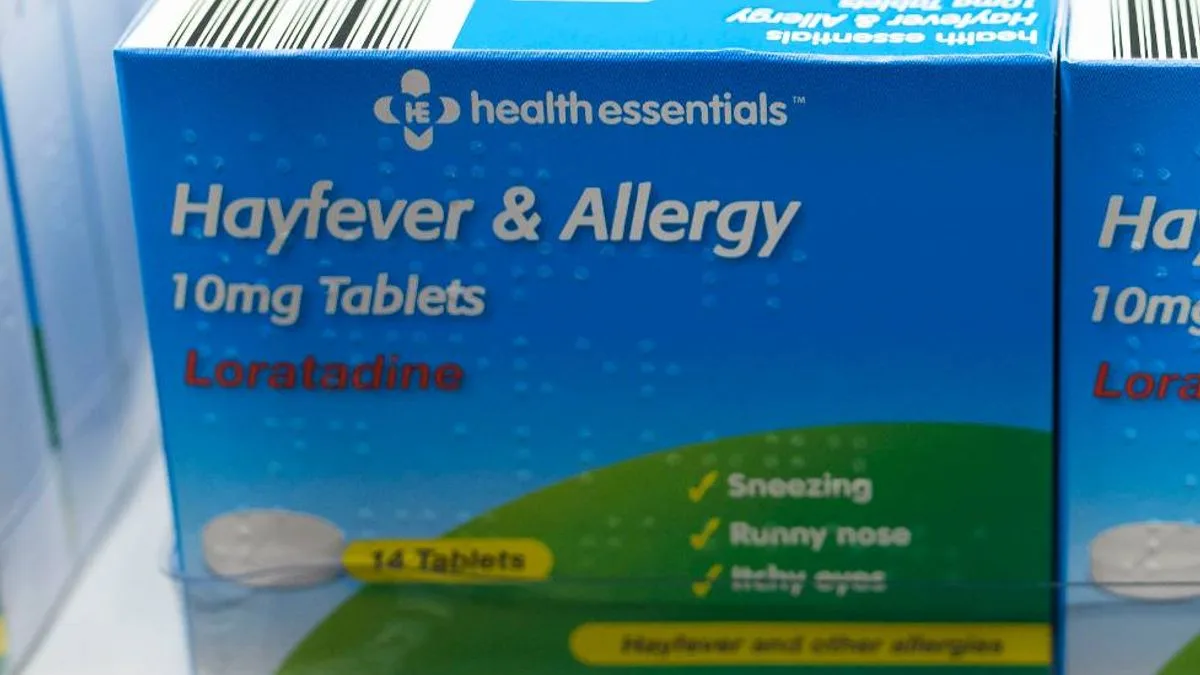
Hay Fever Alert: Avoid This Major Medication Mistake for Relief
Hay Fever Alert: Avoid This Major Medication Mistake

Millions of hay fever sufferers are being urged to avoid a major mistake when taking their medication, as improper use could lead to prolonged discomfort and health issues this summer.

The Critical Timing Error

Pharmacist Seema Khatri of Roseway Labs warns that taking antihistamines only when symptoms begin is too late. Antihistamines work best when taken preventatively, not reactively, she explains. Many people assume one pill provides instant relief, but timing and technique are vital.

For daytime relief, a morning dose allows the medication to take effect before pollen peaks, typically late morning to midday. Non-drowsy options like loratadine or cetirizine take 30 to 60 minutes to start working and last 24 hours.

Wide Pickt banner — collaborative shopping lists app for Telegram, phone mockup with grocery list

If you experience night-time sneezing, itchy eyes, or congestion from indoor allergens or open-window pollen, a bedtime antihistamine—especially slightly sedating types like chlorphenamine—can prevent sleep disruption.

Why Timing Matters

Taking medication at the wrong time can prevent proper symptom control, leading to higher symptom levels throughout the day. Food can delay absorption, so unless specified otherwise, take antihistamines with water at least one hour before or two hours after eating.

People often take antihistamines only when symptoms flare, but by then the histamine response is already underway. A daily habit during allergy season helps maintain steady levels to block histamine before it causes issues.

Hidden Triggers: Excipients and Immune Health

Reactions like bloating, rashes, or itching may be caused by excipients—inactive fillers, binders, or dyes in tablets—not the active ingredient. Sometimes people assume they are reacting to the medicine when they are actually reacting to additives, says Seema. A compounding pharmacy can create antihistamines without lactose, dyes, or other triggers.

Persistent or worsening allergies could signal a flared immune system driven by stress, poor sleep, gut issues, or inflammation. Look out for fatigue, brain fog, skin flares, or food sensitivities, and consult your pharmacist or GP to investigate the root cause.

How to Identify the Root Cause

Start by keeping a symptom and lifestyle diary. Track sleep, diet, stress levels, and recurring symptoms like bloating, skin rashes, or low energy. This helps pinpoint patterns beyond pollen exposure.

Functional tests—such as gut health panels, nutrient screenings, or hormonal assessments—may also help uncover deeper imbalances driving histamine sensitivity. Speak to a medical professional to determine what is relevant for you.

Seema concludes: You do not have to just put up with seasonal symptoms. When we look beyond the surface, we often find answers that make a real difference. If you are suffering with hay fever or any health concerns, contact your GP for medical advice.

Pickt after-article banner — collaborative shopping lists app with family illustration