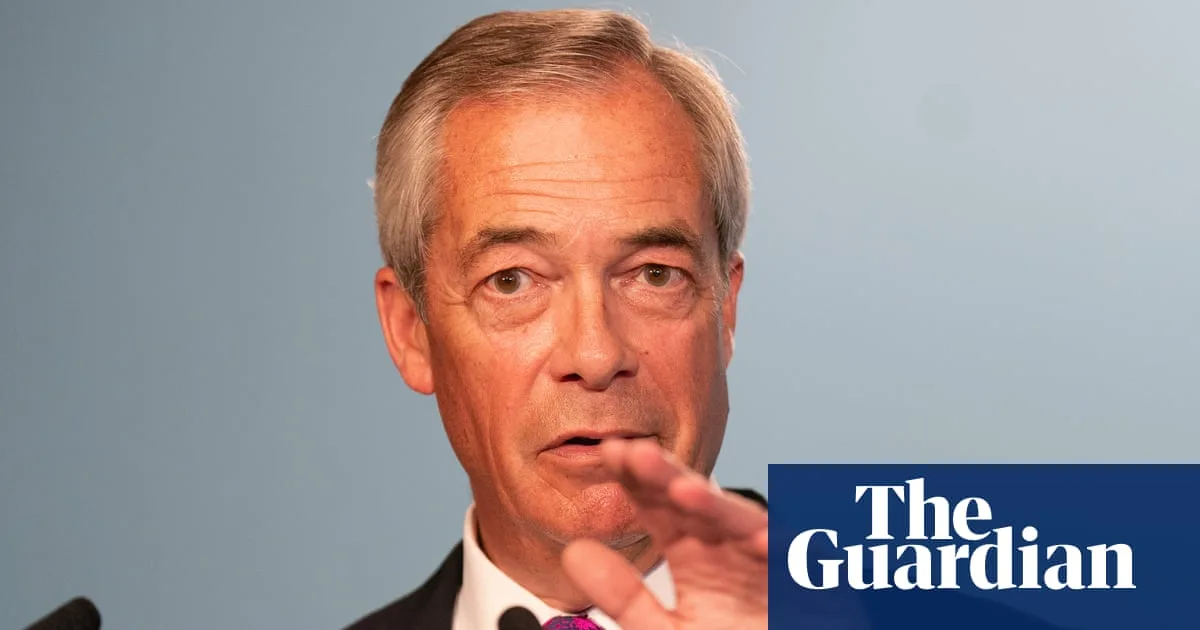
Nigel Farage's Triple Lock U-Turn Sparks 'Doing a Starmer' Warning
Farage's Triple Lock U-Turn Risks 'Doing a Starmer'

In a dramatic policy reversal, Nigel Farage, leader of Reform UK, has announced his party will now commit to maintaining the pensions triple lock, a move that marks a significant departure from his previous stance. This abrupt about-face has drawn comparisons to Keir Starmer's frequent policy adjustments, with political analysts warning that Farage risks 'doing a Starmer' by being perceived as inconsistent.

The Triple Lock: A Political Third Rail

The pensions triple lock, initially proposed by the Liberal Democrats to address pensioner poverty, guarantees that state pensions increase annually by the highest of inflation, average earnings growth, or 2.5 per cent. Introduced in 2010 by George Osborne and David Cameron, it has become a sacred policy in British politics, often described as a 'third rail' due to its sensitivity among voters, particularly retirees who are reliable voters.

From Skepticism to Support

Previously, Farage had expressed skepticism about the triple lock's affordability, stating that Reform UK could not 'guarantee anything' to pensioners and would need to assess economic conditions closer to the next election. However, he has now reversed this position, pledging to keep the triple lock if elected and fund it through what he calls the 'biggest cuts to the benefits bill ever seen in this country.'

Wide Pickt banner — collaborative shopping lists app for Telegram, phone mockup with grocery list

This shift coincides with the appointment of Robert Jenrick as Reform's 'shadow-shadow chancellor,' replacing businessmen Richard Tice and Zia Yusuf. Jenrick, a former Tory minister, is seen as more attuned to electoral realities, prioritizing poll numbers over fiscal austerity, which may have influenced Farage's change of heart.

Electoral Calculations and Gerontocracy

In a democracy where voter turnout skews heavily towards older demographics, policies like the triple lock hold immense sway. Many younger and middle-aged voters also support protecting pensioners, often portrayed as vulnerable individuals struggling with heating and food costs. This dynamic risks shading democracy into gerontocracy, where rule is effectively on behalf of senior citizens, despite concerns over rising dependency ratios and declining birth rates making such support increasingly unaffordable.

Thatcherite Influences and Ideological Shifts

Farage's reversal on pensions is part of a broader trend of Reform UK adopting more traditional Conservative policies, such as abandoning pledges to nationalise the water and steel industries, echoing Thatcherite principles. Like Margaret Thatcher, whom Farage admires along with Enoch Powell, he demonstrates a keen sense of voter priorities, avoiding policies that could alienate core supporters, despite occasional controversial alignments with figures like Donald Trump or Vladimir Putin.

The 'Doing a Starmer' Risk

Keir Starmer has frequently faced criticism for policy U-turns, with even minor adjustments derided as surrenders to backbenchers or public pressure. Farage, currently popular among right-wing media and supporters, risks similar backlash if he continues to make dramatic policy reversals. Political expert Tim Bale warns that such behavior could erode his credibility, turning him from 'flavour of the month' into a figure seen as unreliable.

As the political landscape evolves, Farage's ability to balance ideological purity with electoral pragmatism will be crucial. His triple lock U-turn highlights the tightrope walk between appealing to voters and maintaining policy consistency, a challenge that could define Reform UK's future in British politics.

Pickt after-article banner — collaborative shopping lists app with family illustration