Starmer Calls for Business Partnership to Mitigate Iran War Economic Shock
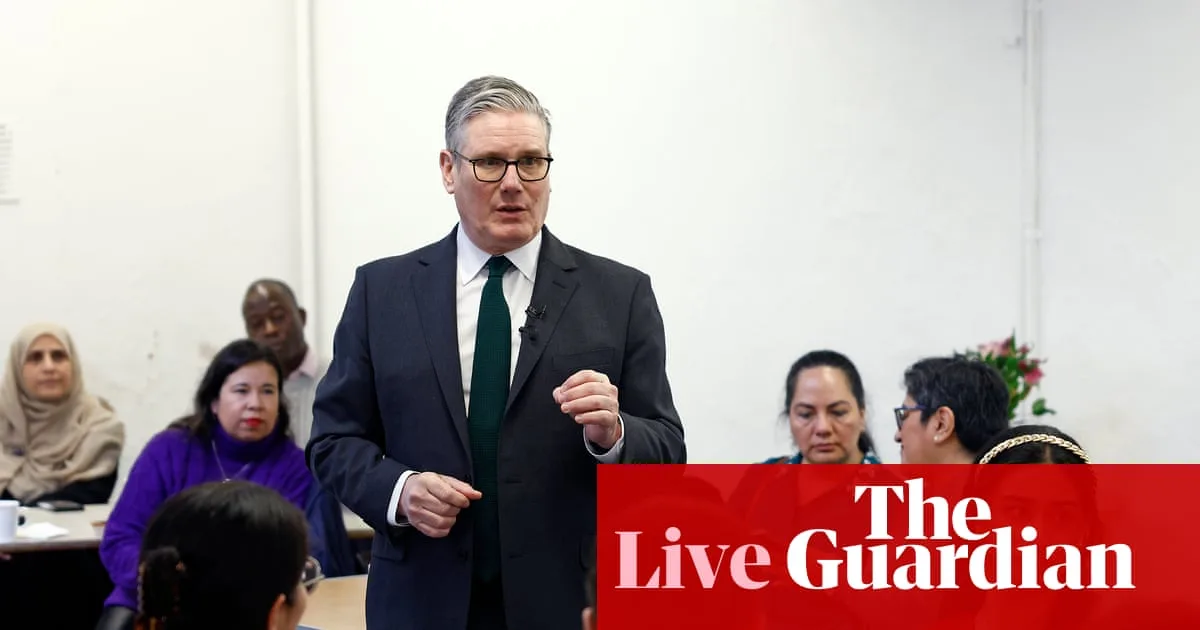
Prime Minister Sir Keir Starmer has issued a rallying cry to major business leaders, urging a collaborative approach to tackle the escalating economic consequences of the war with Iran. In a high-stakes meeting at Downing Street, executives from pivotal sectors including oil, shipping, and finance were summoned for crisis talks as global tensions mount.
Downing Street Summit Addresses Strait of Hormuz Crisis
The discussions centred on Iran's sustained blockade of the Strait of Hormuz, a critical maritime chokepoint that has severely disrupted the flow of oil, gas, and other essential commodities like fertiliser. This blockade has fuelled price surges and injected significant uncertainty into worldwide markets, prompting the government to seek corporate assistance.
Sir Keir emphasised to the assembled bosses that addressing this crisis requires a unified front. "The Government can't do it on its own. You can't do it on your own. We're going to have to work together on this," he stated, framing the situation as a "joint effort" imperative for national stability.
Corporate and Military Briefings Amid Escalating Threats
The meeting included representatives from industry giants such as Shell, BP, shipping conglomerate Maersk, maritime insurance leader Lloyd's of London, and financial institutions HSBC and Goldman Sachs. Attendees received a strategic update from Major General Richard Cantrill, the UK's maritime operations commander, detailing the volatile military landscape in the region.
Starmer outlined ongoing collaborative plans with international allies to secure the Strait of Hormuz, asserting, "It's not our war, but it is our duty to protect British citizens." He highlighted public anxieties over soaring energy bills, petrol costs, and food prices, which are directly impacted by the conflict.
Trump's Threats and Global Economic Ramifications
The crisis talks unfolded against a backdrop of heightened rhetoric from former US President Donald Trump, who threatened to obliterate Iran's energy infrastructure and potentially its water desalination plants unless the strait is reopened. Trump claimed on Truth Social that progress had been made with a "more reasonable" Iranian regime but warned of severe retaliation if agreements falter.
Economically, the blockade has already triggered sharp increases in fuel prices. Brent crude oil surged over 3% to $117 a barrel, reaching levels unseen since 2022. In the UK, diesel prices hit 181.2p per litre, a 27% rise since the war began, while petrol climbed to 152.0p per litre, up 14%. These spikes are compounded by Houthi attacks in the Red Sea, further threatening shipping routes.
Coordinated Government Response and International Diplomacy
The Downing Street meeting will be followed by a Cobra session on Tuesday, where senior ministers will deliberate on the ongoing economic damage. Concurrently, Chancellor Rachel Reeves and Energy Secretary Ed Miliband participated in a virtual G7 gathering of finance and energy ministers, exploring collective responses to the war's financial toll.
Defence Secretary John Healey is currently in the Middle East, engaging with Gulf allies to bolster diplomatic and security efforts. This multi-pronged approach underscores the government's recognition that mitigating the Iran war's impact demands concerted action across political, economic, and corporate spheres.