US Directs Embassies to Combat Foreign Propaganda Using Musk's X Platform
US Embassies to Use Musk's X in Anti-Propaganda Campaign

US State Department Instructs Embassies to Wage Global Campaign Against Foreign Propaganda

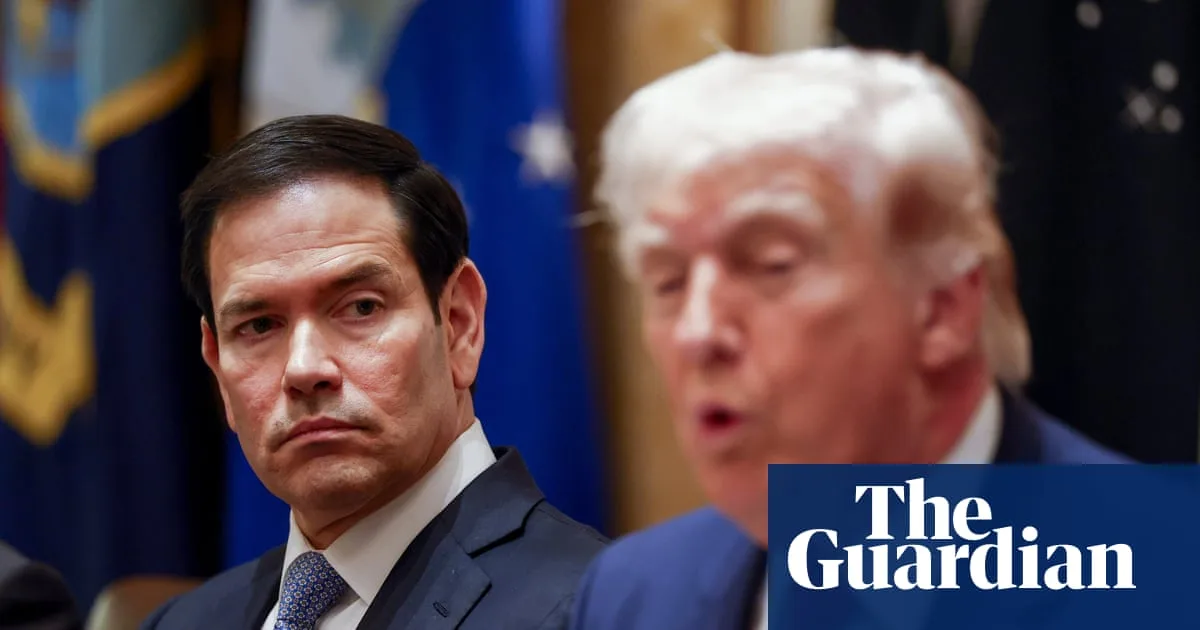
A confidential cable from the United States State Department, signed by Secretary of State Marco Rubio and obtained by the Guardian, has directed every American embassy and consulate across the globe to initiate coordinated campaigns targeting foreign propaganda operations. The directive, issued on Monday, outlines a comprehensive strategy for diplomatic staff to push back against what it describes as systematic efforts to undermine American interests abroad.

Endorsement of Elon Musk's X Platform as a Key Tool

Notably, the cable explicitly endorses Elon Musk's social media platform X, formerly known as Twitter, by name. It highlights the platform's Community Notes feature as an "innovative" and "crowdsourced" instrument that can help cull disinformation. The document suggests this approach allows for countering anti-American propaganda operations without compromising principles of free speech or privacy.

Coordination with Military Psychological Operations Unit

The instructions further recommend that embassy and consulate staff coordinate their efforts with the US military's psychological operations unit, specifically referencing "the Department of War's Psychological Operations". This unit, more commonly known as Military Information Support Operations (MISO), was formerly called Psyop and operates under the Pentagon's jurisdiction.

Wide Pickt banner — collaborative shopping lists app for Telegram, phone mockup with grocery list

Context of Global Disinformation Threats

This directive comes at a time when the United States faces significant disinformation challenges from multiple state actors:

  • Iran: Operates one of the world's most sophisticated state disinformation apparatuses
  • Russia and China: Continue to target American allies across Europe, Asia, and Latin America with influence operations

The cable represents a formal recognition of these threats and establishes a structured response mechanism through diplomatic channels.

Broader Implications and Related Developments

This anti-propaganda initiative occurs alongside several other significant developments in US foreign and domestic policy:

  1. Cuba Policy Shift: Donald Trump has signaled new flexibility regarding oil shipments to Cuba, just as a Russian oil tanker under US sanctions arrived at the Caribbean island
  2. Environmental Policy: The Trump administration is dispatching officials to potentially revoke protections for endangered species in the Gulf of Mexico to expand oil and gas operations
  3. Iran Tensions: Trump has threatened to "obliterate" Iran's energy infrastructure if peace terms aren't reached soon, despite claiming diplomatic progress in ending the US-Israel war with Iran
  4. Immigration Concerns: A Democratic congressman has raised alarms about inadequate medical care for a two-year-old detained at an ICE family detention center in Texas

Additional Political Developments

Other notable events from the same period include:

  • TSA employees receiving back pay following a Trump executive order
  • A federal judge expressing skepticism about new Pentagon press policies, describing aspects as "weird" and Kafkaesque
  • The Department of Justice suing Minnesota's education department over transgender athlete policies
  • Controversial statements from newly appointed College Republicans political director Kai Schwemmer and Vice President JD Vance's comments about aliens

The State Department's cable represents a significant escalation in the US government's approach to combating foreign disinformation, formalizing what had previously been more ad hoc efforts and explicitly incorporating social media platforms into national security strategy.

Pickt after-article banner — collaborative shopping lists app with family illustration




