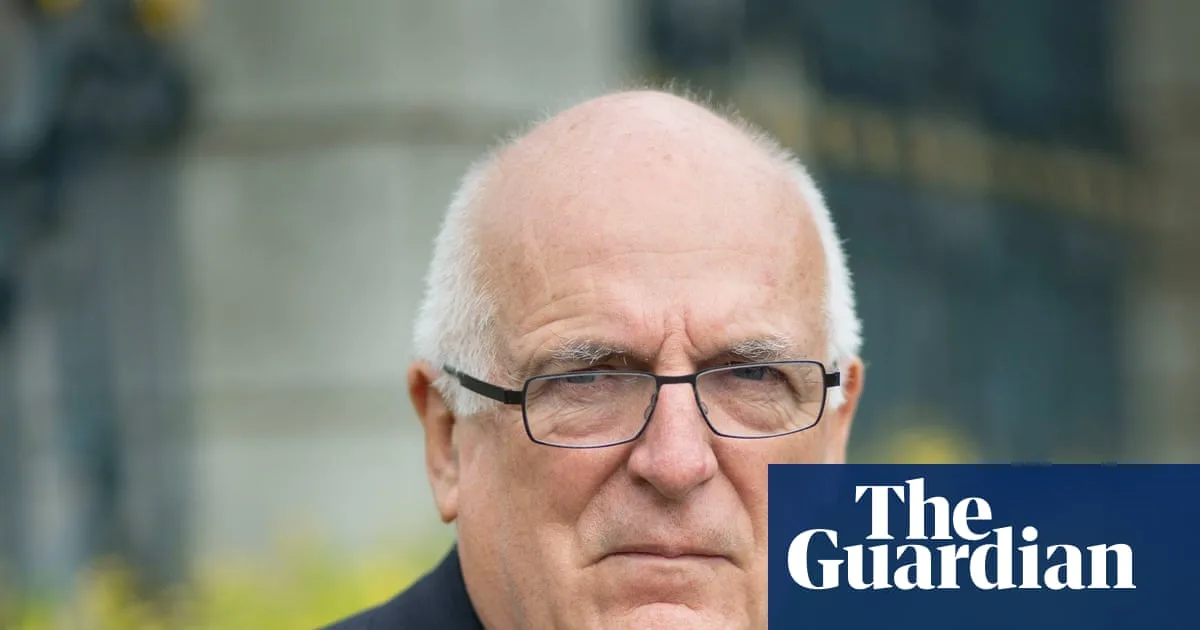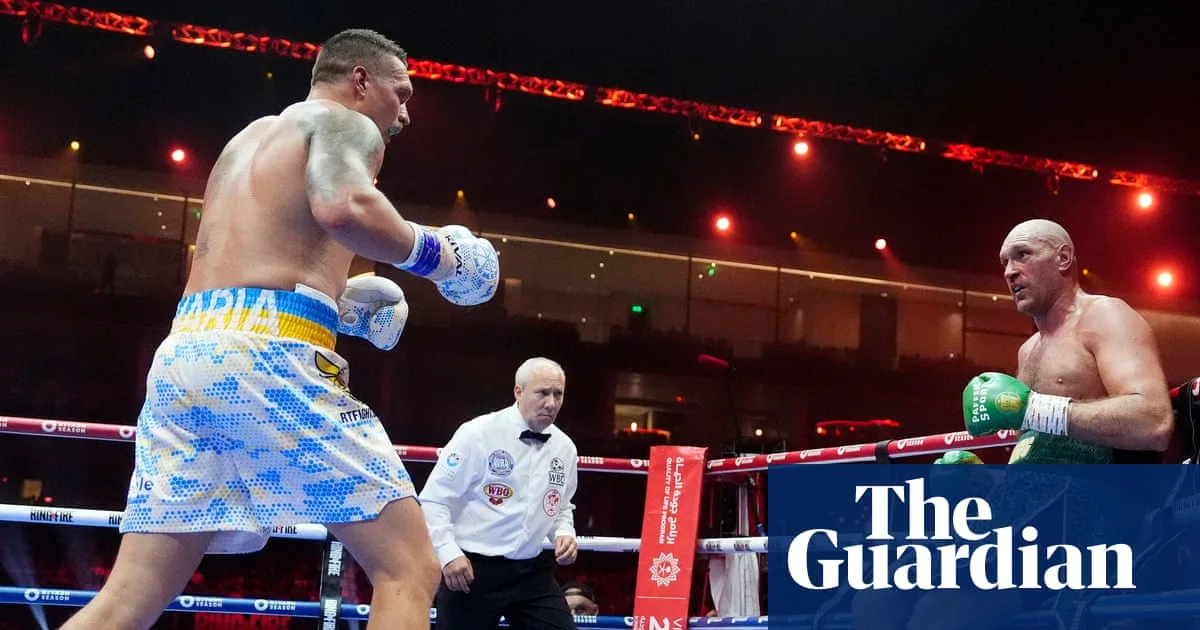
The ongoing US-Israeli war on Iran has severely disrupted the Gulf's ambitions to become a global sports hub, causing cancellations of major events and exposing vulnerabilities in economic diversification strategies. Nasser al-Khelaifi, president of Paris Saint Germain and a key figure in world football, was grounded in Doha due to closed Qatari airspace, missing his team's Champions League match against Chelsea. Although he later attended the second leg, the incident highlights the fragility of the region's sports project.
In recent days, a wave of cancellations has swept through the sporting calendar, reminiscent of the early Covid-19 pandemic. Formula One called off the Bahrain and Saudi Arabian grands prix, while a football match between world champions Argentina and European champions Spain in Doha was cancelled. MotoGP's Qatar Grand Prix has been rescheduled for November. Smaller events, such as the Artistic Gymnastics World Cup and the GCC Games, remain uncertain. Northbourne Advisory reported over 100 event cancellations across all sectors in the Gulf since the war began.
Simon Chadwick, professor of Eurasian sport industry at Emlyon business school, noted that the conflict has exposed the weakness of Gulf states' event-based sports model. Qatar invested heavily in the 2022 World Cup, spending $220bn to develop Doha as a sporting city, but now faces vulnerability due to reliance on foreign investment and labour. Saudi Arabia, the UAE, and Bahrain are pursuing Vision 2030 projects to diversify economies away from oil, with Saudi Arabia aiming for sport to contribute 3% of GDP by 2030. However, the war has undermined progress, as the region lacks a sustainable sports ecosystem and depends on imported talent and infrastructure.

Chadwick added that if the conflict had occurred a decade later, the Gulf might have been better prepared. Saudi Arabia's response to the war has been opaque, complicating efforts to assess the full impact. The disruption raises questions about the long-term viability of the Gulf's sports-driven economic transformation.