Special Forces veterans who served during the Northern Ireland Troubles have expressed relief at a significant delay to Labour's contentious Troubles Bill. This postponement follows the announcement of substantial amendments designed to bolster protections for former military personnel.
Ministerial Statement Outlines Key Changes
In a detailed written ministerial statement, Northern Ireland Secretary Hilary Benn revealed that extensive consultations with various stakeholders had made it clear that additional legislative safeguards were necessary for the veterans community. Benn emphasized that a comprehensive package of amendments is being developed to enhance the process for victims and families while providing stronger oversight of protections for Operation Banner veterans.
Differentiating Between Security Forces and Paramilitaries
The Secretary stated that the revised legislation will explicitly distinguish between the roles played by British security forces and the actions of paramilitary terrorists during the Troubles. The Bill's committee stage has been delayed until the next parliamentary session to allow for thorough scrutiny and refinement of these critical provisions.

Background of the Controversial Legislation
Labour's plan, announced last year, aims to replace the Conservative Government's Legacy Act, which effectively halted all Troubles-era prosecutions, inquests, and civil cases. While the Tory legislation was intended to protect veterans, it inadvertently provided de facto immunity to IRA and Loyalist perpetrators.
The Labour proposal, developed in coordination with the Irish government, establishes a new legacy commission to investigate Troubles-related killings alongside a separate information recovery body. It includes six specific protections for veterans, such as the ability to provide evidence remotely and protection from re-investigation without compelling new reasons.
Concerns About Resumed Inquests
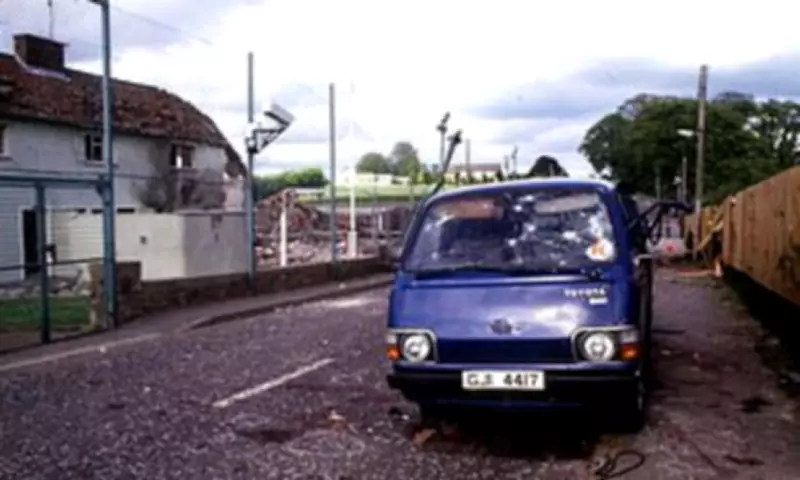
However, the legislation also opens the door for inquests to resume, potentially leading to renewed prosecutions of soldiers. One prominent example is the inquiry into the 1987 IRA attack on a police station in Loughgall, County Armagh, where an eight-man IRA unit armed with assault rifles and a massive 400lb bomb targeted an RUC base.
Elite undercover SAS soldiers neutralized the threat, but these veterans now face the prospect of being compelled to answer questions in court about the operation. One veteran told the Daily Mail last year that such proceedings traumatize veterans and damage current military operations by creating fear among younger troops about potential future repercussions.
Veterans Organizations Respond
Northern Ireland Veterans Commissioner David Johnstone has warned that new inquests into Troubles killings could be manipulated to rewrite historical narratives in favor of terrorist groups. In a joint statement, associations representing the SAS, Special Boat Service, and Special Reconnaissance Regiment welcomed the decision to delay the committee stage, acknowledging it allows necessary time for proper scrutiny.
The statement emphasized: "Despite repeated assurances from Hilary Benn, we must emphasize that the Government's current much-vaunted 'protections' do not actually safeguard veterans sufficiently." The organizations stressed that amendments must prevent vexatious proceedings, adding: "We don't seek immunity, we simply seek fairness. The egregious mistreatment of veterans and the ongoing infringement of their rights has to end."
Political Reactions and Human Rights Questions
Sinn Féin MP John Finucane criticized the delay, claiming it demonstrates no consideration for victims' families and instead prioritizes placating British military interests. Shortly after the ministerial statement's release, Benn faced questioning from the joint human rights select committee, where he asserted that there are no vexatious or politically-motivated prosecutions in Northern Ireland.

The Secretary also dismissed calls to rescind the controversial 'letters of comfort' issued under the Blair government to on-the-run terrorists, which indicated they were not at risk of prosecution upon returning to Northern Ireland. Benn clarified that these letters did not provide immunity from prosecution, describing this distinction as critically important.
This clarification references the 2014 collapse of the criminal trial against IRA member John Downey, accused of involvement in the 1982 Hyde Park bombing. Downey presented his letter in court, leading a judge to rule his arrest constituted an abuse of process, highlighting the complex legacy issues the new legislation must address.