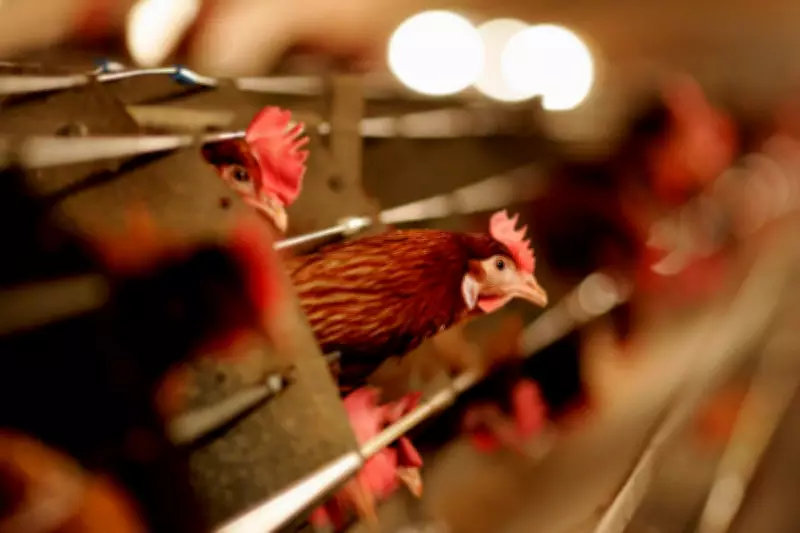
A major international clinical trial has been launched in the United Kingdom and the United States to test a novel human vaccine against bird flu, marking a significant advance in global pandemic preparedness. The study, which aims to enrol thousands of participants, particularly those with high exposure to birds like poultry farmers, is designed to proactively address the escalating threat posed by the rapidly evolving A(H5N1) influenza strain.
Groundbreaking mRNA Technology at the Core
The vaccine candidate, designated mRNA-1018 and developed by the biotechnology firm Moderna, employs innovative messenger RNA (mRNA) technology, similar to the platform used successfully in Covid-19 vaccinations. This cutting-edge approach works by instructing the body's cells to produce specific viral proteins, thereby training the immune system to quickly recognise and neutralise the virus if an individual is later exposed.
Extensive Trial Scope and Participant Recruitment
The phase 3 trial will involve approximately 4,000 individuals across both nations. In the UK, 3,000 patients are set to receive the vaccine at 26 clinical sites located throughout England and Scotland, with half of these participants being aged over 65. The study, which is sponsored by Moderna and supported by the National Institute for Health and Care Research (NIHR), will run for a duration of seven months. Participants will be administered two doses of the vaccine, spaced three weeks apart.

Dr Rebecca Clark, the national co-ordinating investigator for the trial, emphasised the community-focused recruitment strategy, moving beyond traditional hospital settings "into the heart of our communities" to ensure broad and representative participation. This approach is critical for gathering robust data on the vaccine's efficacy across diverse populations.
Addressing a Growing Global Health Threat
The A(H5N1) avian influenza strain has become a pressing global concern in recent years, demonstrating an alarming capacity to spread beyond birds to infect other animal species, including mink, marine mammals, and, more recently, dairy cows in the United States. This cross-species transmission has led to a number of human cases, primarily among farm workers in direct contact with infected livestock.
While the virus does not yet transmit easily between humans, experts are treating the potential for human-to-human spread "as a real possibility." Dr Clark stated, "We know that the A(H5N1) strain is evolving and spreading across animal species... This trial is our proactive attempt to shield against that possibility, and any future pandemic that could emerge from it."
Promising Early Data and Strategic Importance
Early clinical trials of the mRNA-1018 vaccine have yielded encouraging results. Dr Hiwot Hiruy, senior director of clinical development at Moderna, reported that the jab was "generally well tolerated, with most of the side-effects being mild to moderate, and there were no safety concerns." Importantly, the vaccine induced a strong immune response detectable as early as seven days after the first injection, with the response persisting over time.
Given the current rarity of human bird flu cases, researchers will use this measurable immune response as a key early indicator of the vaccine's likely effectiveness in preventing illness. Dr Richard Pebody, director of epidemic and emerging infections at the UK Health Security Agency (UKHSA), underscored the strategic importance of such initiatives, noting that while the immediate risk to the public "remains low," a flu pandemic is considered the most probable cause of a future global health crisis.
Dr Pebody added, "We clearly don’t know when the next pandemic is going to be, we obviously don’t know what it’s going to be caused by, but what we do know is that a flu pandemic is the most likely future pandemic." The UKHSA maintains vigilant surveillance as the virus continues to evolve.
Advantages of mRNA Platform in Pandemic Response
The mRNA vaccine platform offers distinct advantages in pandemic preparedness. Dr Hiruy highlighted that mRNA vaccines can be manufactured more rapidly and are easier to adjust in response to emerging viral variants compared to traditional vaccine technologies. This agility provides an "additional tool in pandemic preparedness," complementing other measures.

This development follows a UK Government contract announced towards the end of 2024 for over five million doses of a more traditionally produced H5 influenza vaccine, illustrating a multi-faceted approach to mitigating the bird flu threat. The concurrent pursuit of both traditional and mRNA-based strategies strengthens the overall defensive arsenal against potential outbreaks.
The A(H5N1) bird flu viruses were first identified in southern China in 1996, with initial human infections recorded the following year. Since 2024, there have been 116 confirmed human cases worldwide, almost exclusively linked to close contact with infected animals. This new trial represents a critical step in shifting from reactive to proactive global health defence.