Judge Halts Deportation of Man Cleared After 40 Years in Prison
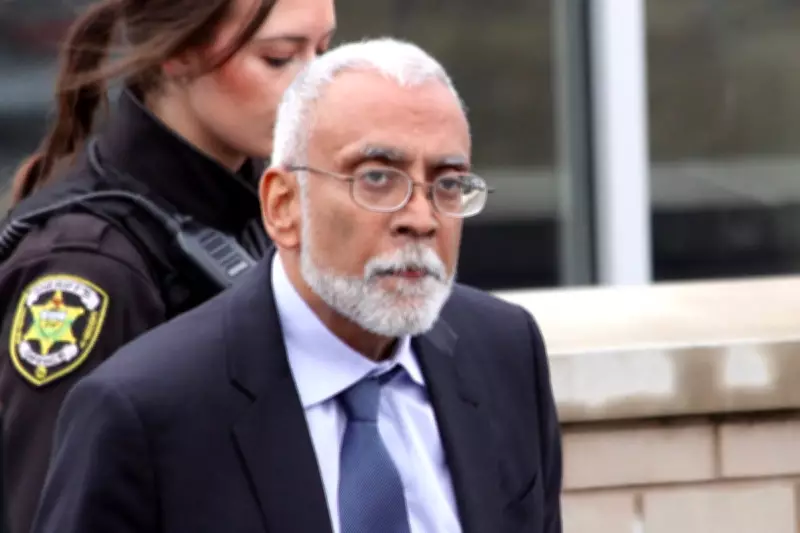
A United States immigration judge has intervened to block the deportation of Subramanyam Vedam, an Indian citizen who spent forty years incarcerated before his murder conviction was overturned. The ruling came during a four-hour hearing on Thursday, where Judge Adam Panopoulos determined that Vedam, aged 64, had demonstrated genuine rehabilitation and no longer posed a threat to public safety.
Decades of Incarceration and Legal Battles
Vedam, known as Subu, was convicted of the 1980 murder of his high school friend Thomas Kinser in State College, Pennsylvania. He maintained his innocence throughout two trials, rejecting plea bargains and insisting he was wrongfully accused. The case saw significant developments late last year when a Centre County judge ruled that prosecutors had failed to disclose crucial ballistics evidence during Vedam's trials.
This omission led District Attorney Bernie Cantorna to decline a retrial in October, citing the passage of time and noting that "44 years is a sufficient sentence for a murder committed by someone who was nineteen years old." Vedam had been on the brink of release when Immigration and Customs Enforcement agents took him into custody, initiating deportation proceedings to India, a country he left as an infant in 1962.

Judge Cites Rehabilitation and Family Ties
During the hearing, Judge Panopoulos highlighted Vedam's efforts at self-improvement and his contributions to others while imprisoned. "He has grown as a person and began to dedicate himself to enriching other people’s lives and ultimately his own through academic study and enrichment," the judge stated. Vedam's work in improving literacy among inmates and his close family connections, including nieces who have never known him as a free man, were key factors in the decision.
Vedam participated remotely from the Moshannon Valley Processing Center in Philipsburg, Pennsylvania, where he expressed remorse for past mistakes, saying, "I was young and stupid and did a lot of dumb things back then." However, he firmly denied any involvement in Kinser's murder, asserting, "I never stopped saying I was innocent of this charge."
Ongoing Legal Challenges and Future Prospects
Despite the exoneration for murder, Vedam faces deportation threats due to unrelated drug distribution convictions from no-contest pleas. Department of Homeland Security lawyer Tammy Dusharm argued vigorously for his removal, pointing to his history of drug use, driving under the influence, and theft offences. "I find it fairly incredible that it would appear that every single time he sold drugs, he did so to an undercover officer," Dusharm remarked during cross-examination.
The DHS has a thirty-day window to appeal the judge's ruling. Meanwhile, Vedam's attorney, Ava Benach, plans to seek his release on bond. Vedam, a legal permanent resident who was days away from naturalisation at the time of his arrest, hopes to reside with a relative in Sacramento, California, and has been offered a place in Oregon State University's doctoral programme in applied anthropology.
Case Background and Evidentiary Issues
The original case against Vedam centred on the disappearance and death of Thomas Kinser, who was last seen alive after driving Vedam to purchase drugs in December 1980. Kinser's remains were discovered nine months later in a sinkhole, with a gunshot wound to the head. The murder weapon was never recovered.
Jurors were informed that Vedam had bought a stolen .25-caliber gun around the time of Kinser's disappearance, but they were not told about an FBI report suggesting the head wound was too small for bullets of that calibre. District Attorney Cantorna acknowledged the case as "a compelling circumstantial one" but emphasised the challenges of a retrial after so many years.
Vedam's supporters have demonstrated outside the Centre County Courthouse, advocating for his release and highlighting the broader implications for criminal justice and immigration policies. As the legal process continues, Vedam's fate hangs in the balance, with his future in the United States dependent on the outcome of potential appeals and bond hearings.