
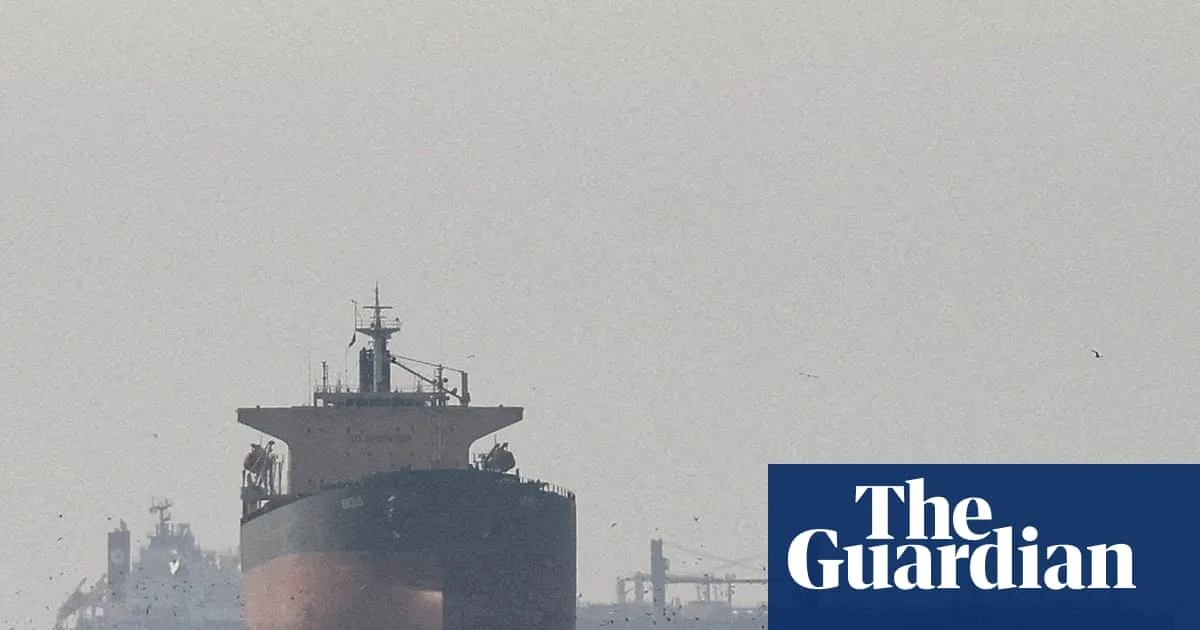
The United Kingdom will convene 35 countries on Thursday to discuss reopening the Strait of Hormuz, a critical shipping route blocked by Iran. The talks, led by Prime Minister Keir Starmer and Foreign Secretary Yvette Cooper, will exclude the United States, which has not been directly invited.
Starmer stated that the meeting aims to assess all viable diplomatic and political measures to restore freedom of navigation, guarantee the safety of trapped ships and seafarers, and resume the movement of vital commodities. The gathering includes signatories of a joint statement from last month, such as the UK, France, Germany, Italy, the Netherlands, Australia, Japan, Canada, South Korea, New Zealand, the United Arab Emirates, and Nigeria.
About 1,000 ships are stranded due to Iran's partial blockade, which was imposed in response to strikes by the US and Israel. Before the conflict, tankers carried roughly a fifth of the world's oil and gas supplies through the strait. Only about 130 ships have made the passage since the war began, compared to the normal daily traffic.
Starmer acknowledged that clearing the strait will be a lengthy process, requiring a united front of military strength, diplomatic activity, and partnership with industry. British military planners will meet afterwards to explore how to make the strait accessible and safe after hostilities cease. The Ministry of Defence has already sent planners to US Central Command to examine options for getting tankers through.
Iran's Islamic Revolutionary Guards Corps stated that the strait remains closed to enemies and under its navy's control. US President Donald Trump posted that there would be no ceasefire until Iran relinquishes control of the waterway, vowing to continue strikes.




