Britain Hosts International Summit on Reopening Strait of Hormuz as US Abstains
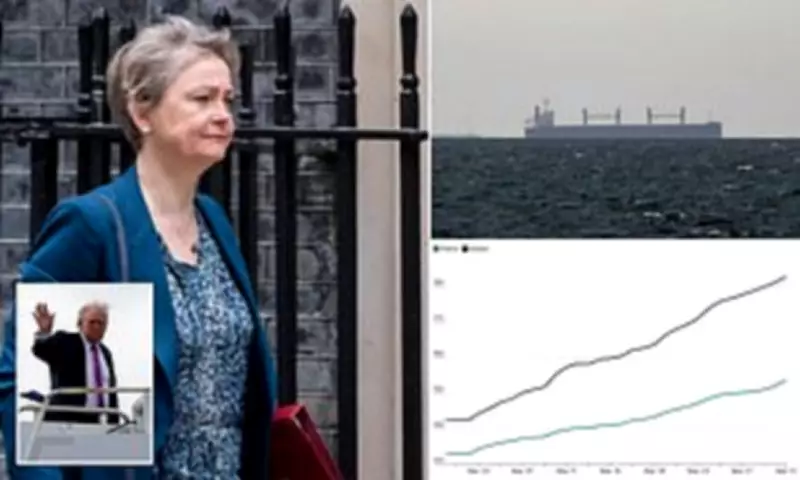
Britain is leading a critical international summit today focused on reopening the Strait of Hormuz, a vital maritime channel currently blockaded by Iran. The virtual meeting, convened by Foreign Secretary Yvette Cooper, includes approximately 35 countries such as France, Germany, and several Gulf states. Notably, the United States is not participating in the discussions, highlighting a significant diplomatic rift.
Trump's Demands and Global Oil Crisis
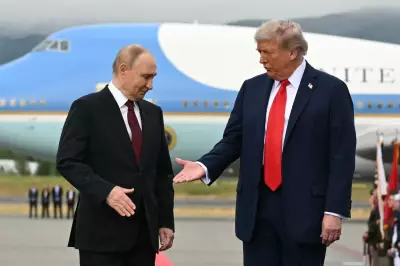
The talks follow renewed demands from former US President Donald Trump, who has insisted that other nations take responsibility for the strait. Through this narrow passage, around one-fifth of the world's oil normally flows, making its closure a severe blow to global energy markets. Trump has threatened to "obliterate" Iran if it does not reopen the strait and has urged allies to intervene militarily, though there is little prospect of such action while the ongoing conflict between the US, Israel, and Iran persists.
The blockade has effectively crippled oil and gas shipments, leading to surging prices that are causing widespread economic anxiety. In response, Prime Minister Keir Starmer has sought to reassure the British public that the government has a plan to mitigate the looming consequences, including impacts on fertiliser and aluminium supplies, which are disrupting food production and various goods.

Military Planning and Diplomatic Tensions
Following the UK-led summit, military planners will assess strategies to make the strait "accessible and safe" once hostilities cease. However, this is not expected to involve deploying Royal Navy warships for policing duties, as controlling the narrow waterway would require forces on Iranian territory, a politically and logistically challenging prospect.
Trump's frustration has escalated, with threats to withdraw the US from NATO over allies' refusal to join attacks on Iran. While a 2023 law mandates Senate approval for such a move, his recent address omitted the alliance's future, instead focusing on oil dependency. He urged countries to "take the lead in protecting the oil they desperately depend on" and suggested purchasing American oil or seizing control of the strait.
Economic and Strategic Implications
The closure has sent Brent Crude prices skyrocketing, exacerbating global inflation and supply chain disruptions. Trump has argued that the strait will "open up naturally" post-conflict as Iran seeks to rebuild through oil sales, but immediate solutions remain elusive. The UK's initiative aims to foster international cooperation, yet the absence of the US underscores the complex geopolitical landscape and the urgent need for a coordinated response to stabilise energy markets and ensure maritime security.