
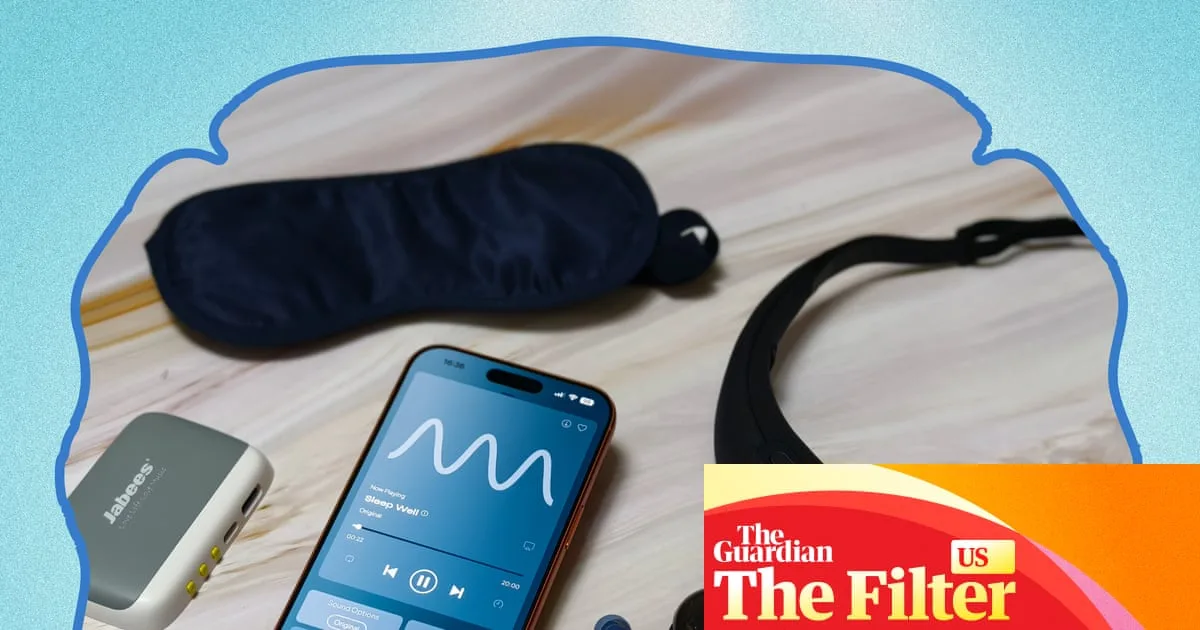
After years of struggling with sleep due to chronic pain and sensitivity to sound and light, one writer turned to technology for help. While some devices seemed like gimmicks, a handful proved genuinely effective. Here are the five tech tools that made a real difference.
The Jabees Peace Pillow is a bone-conduction speaker placed under your pillow. It transmits sound through contact with your head, so only you can hear it. At just over an inch thick, it's comfortable even for side sleepers. You can connect via Bluetooth, use a memory card, or play preloaded sounds. The gentle vibration track is particularly effective at inducing drowsiness.
The Elemind Headband uses EEG to track brain activity and applies acoustic stimulation synced to natural rhythms to help you fall asleep. It's comfortable to wear in most positions and stays on until you drift off. It's not a magic cure—you need to want to sleep—but it works well for naps and combating jet lag. At $349, it's pricey but worth it for frequent travelers.
For blocking out noise, QuietOn 3.1 Sleep Earbuds cancel low-frequency sounds like traffic or airplane engines and last over four sleep cycles. The newer QuietOn 4 are similar but cost nearly $300. A cheaper alternative is Anker's Soundcore Sleep A30 at $230, or Loop earplugs for under $50, which are comfortable and require no charging.
The Soaak app offers white noise tracks and more, including options to reduce anxiety and enhance focus. A $30 monthly subscription provides access to sound frequencies clinically curated for sleep. While the sounds can be disorienting at first, they help when restless in the early morning hours.




