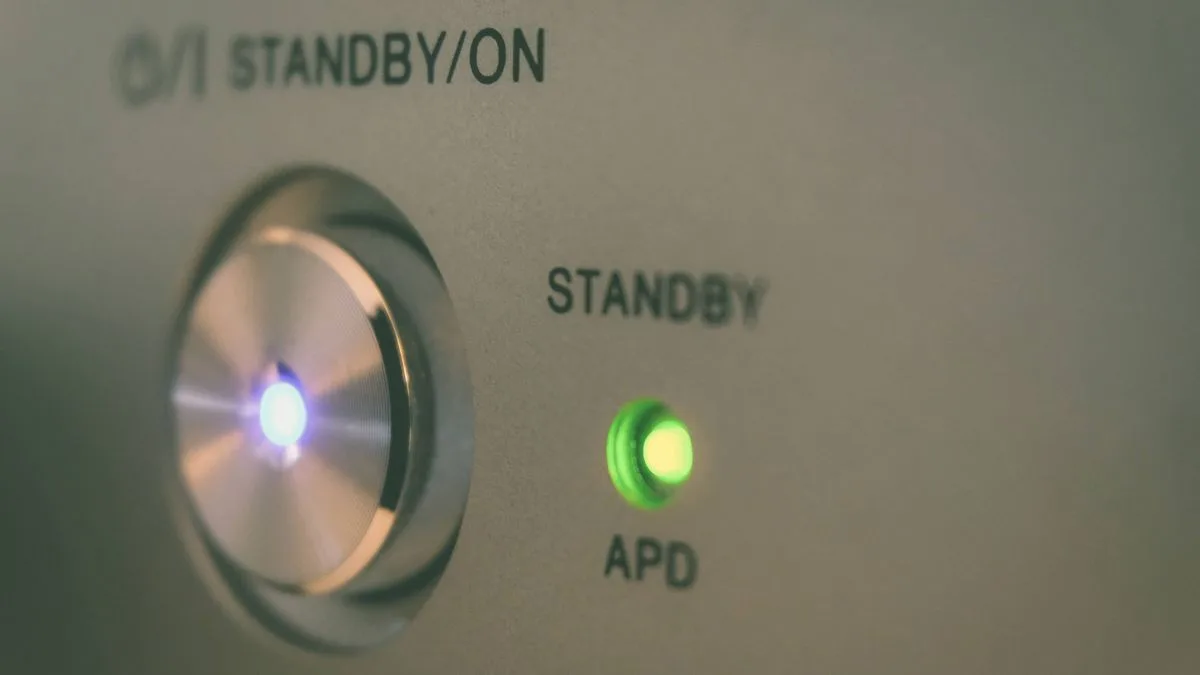
Common household habits are secretly draining wallets across the UK, with a new study revealing that leaving gadgets on standby could be adding a staggering £141 to the average annual energy bill.
The Hidden Cost of Standby Power
The research, conducted by Electric Radiators Direct, surveyed 2,000 Britons to uncover the nation's most persistent energy-wasting routines. The findings, reported on November 23, 2025, show that a significant 64% of people admit to leaving devices on standby, with over a quarter (26%) doing so every single day.
Energy efficiency expert Stephen Hankinson from Electric Radiators Direct explained that these 'vampire devices' continue to consume power even when not in active use, unlike when they are switched off at the wall. He identified the four most expensive culprits to leave on standby:
- Game consoles
- Televisions
- Gaming PCs
- Desktop computers
"To avoid these extra costs, unplug your devices when they're not in use or use smart plugs with timers to automatically cut power. It's a simple habit change that can lead to big savings," Hankinson advised.
Kitchen Habits Burning Through Cash
The study also highlighted other costly behaviours, particularly in the kitchen. Despite the rise in popularity of energy-efficient air fryers, the research found that 70% of Brits still use their oven more frequently.
Only a quarter (25%) use their air fryer regularly several times a week. The cost difference is substantial: roasting 600g of chicken in an electric oven costs approximately £0.28, compared to just £0.13 in an air fryer.
"Switching to energy-efficient appliances like air fryers not only saves time but also reduces energy usage. It's a simple change that can reduce your bills over time," stated Stephen Hankinson.
The Simple Kettle Mistake Adding Up
Another widespread habit is overfilling the kettle, with 67% of Brits confessing to this error. For one in five (20%), it's a daily occurrence.
While it seems minor, boiling more water than necessary can add £11 to yearly energy expenses. The expert's advice is straightforward: "Only fill the kettle with the amount of water you actually need. It's not only cheaper, but it also makes for a faster brew."
By addressing these common pitfalls, UK households can take significant steps towards reducing their energy consumption and saving money.