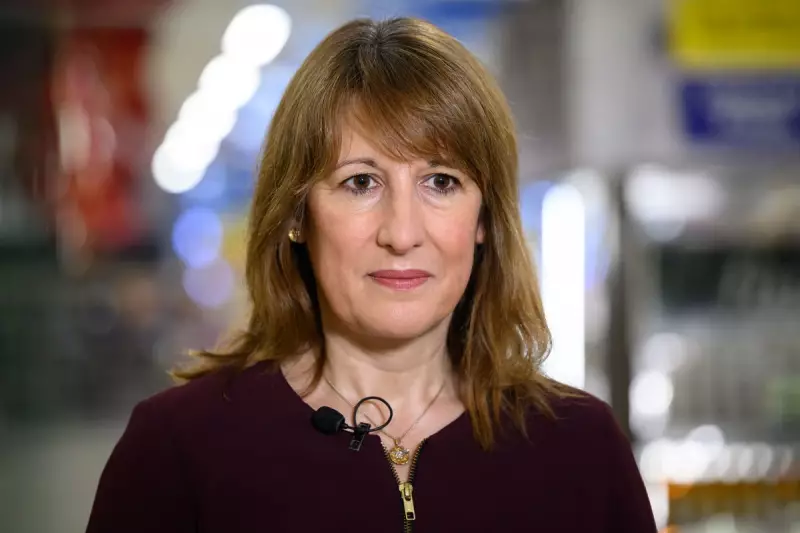
Chancellor Rachel Reeves has vowed to directly confront the UK's cost of living crisis in her upcoming Budget, scheduled for Wednesday, 26 November 2025. The announcement comes as she navigates a complex economic landscape marked by weak growth and persistent inflation.
Balancing Relief with Revenue
In a significant move aimed at providing immediate financial relief, the Chancellor will implement a freeze on rail fares, the first such freeze in three decades. This policy is projected to save commuters on the most expensive routes over £300 a year, offering a tangible reprieve for household budgets.
However, this relief is set against a backdrop of anticipated tax increases. To bridge a multibillion-pound gap in her spending plans, Ms Reeves is widely expected to announce tax rises. Writing in The Mirror, the Chancellor acknowledged the struggle many face, stating that high prices "hit ordinary families most" and the economy "feels stuck".
Expected Budget Measures and Political Reactions
The Chancellor is grappling with an expected downgrade to official productivity forecasts as she finalises her statement. One of the most discussed measures is an extension of the freeze on income tax thresholds. This stealth tax would drag more people into paying tax for the first time or push them into a higher rate bracket as their wages increase.
According to the Institute for Fiscal Studies, keeping national insurance and income tax thresholds frozen for two further years until April 2030 would raise approximately £8.3 billion a year by 2029–30.
Tory leader Kemi Badenoch criticised the potential move, stating the Chancellor should "have the balls" to admit it breaches Labour's manifesto promise not to raise taxes on working people. Meanwhile, Prime Minister Sir Keir Starmer, speaking at the G20 in South Africa, declined to guarantee future budgets would be tax-hike free, instead emphasising a focus on growth and stability.
Other Key Budget Announcements
A range of other significant spending and policy changes are also anticipated:
- Scrapping the two-child benefit cap, a measure that could cost more than £3 billion.
- Adding £1.3 billion to a grant for electric car buyers to cut upfront costs, alongside a potential pay-per-mile scheme.
- Investing £48 million to hire 350 new planners to support the government's goal of building 1.5 million new homes.
- Smaller allocations including £5 million for secondary school library books and £18 million to revamp playgrounds in England.
- A crackdown on shops illegally selling vapes.
This Budget represents the Chancellor's first major attempt to steer the UK economy through a period of significant financial pressure, attempting to balance immediate household support with long-term fiscal responsibility.