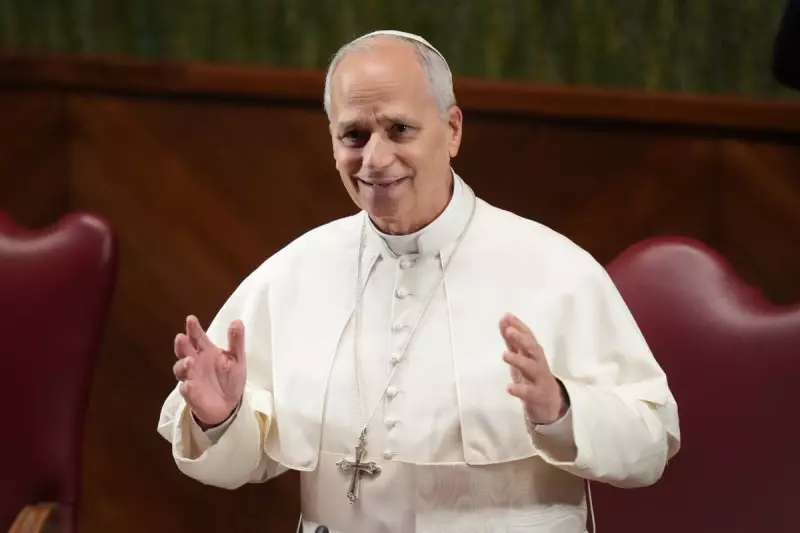
In a surprising and personal revelation, Pope Leo XIV has disclosed his unique approach to the popular online puzzle game Wordle during a virtual meeting with young American Catholics.
A Pontiff's Puzzle Passion
The Chicago-born pontiff made his unexpected confession during a videoconference Q&A session with the National Catholic Youth Conference on Friday. Pope Leo revealed his strategy involves using a different starting word each day, contrary to many enthusiasts who maintain consistent opening guesses.
Following his election in May, his brother John Prevost had previously disclosed the Pope's daily Wordle habit and their shared tradition of comparing scores. The virtual discussion, broadcast via US Catholic network EWTN from the Vatican to Indianapolis, covered topics ranging from artificial intelligence to the future of the Catholic Church.

Balancing Technology and Faith
During the hour-long encounter, which was otherwise described as "somewhat scripted," Leo fielded prepared questions about technology's influence on young people. The Pope, who was himself a Twitter user before his election, acknowledged social media's value for connection and deepening faith.
However, he issued a clear warning about its limitations. "It can never replace real human relationships," he told the young attendees, urging them to follow the example of Saint Carlo Acutis, the teenage Catholic influencer canonised earlier this year who deliberately limited his screen time.
"Be intentional with your screen time," Leo advised. "Make sure technology serves your life and not the other way around."
Artificial Intelligence and Human Choice
The Pope extended this balanced approach to artificial intelligence, a topic he has identified as a priority concern. While recognising AI as a powerful tool, he emphasised the importance of using it responsibly without allowing it to interfere with personal development.
"Using AI responsibly means using it in ways that help you grow," he explained. "AI can process information quickly, but it cannot replace human intelligence." He added with humour, "And don't ask it to do your homework for you," generating laughter from the audience.
The simple, free online puzzle that sparked this personal revelation lets players guess a five-letter word in six tries with no hints and continues to attract millions of daily players worldwide through New York Times Games.