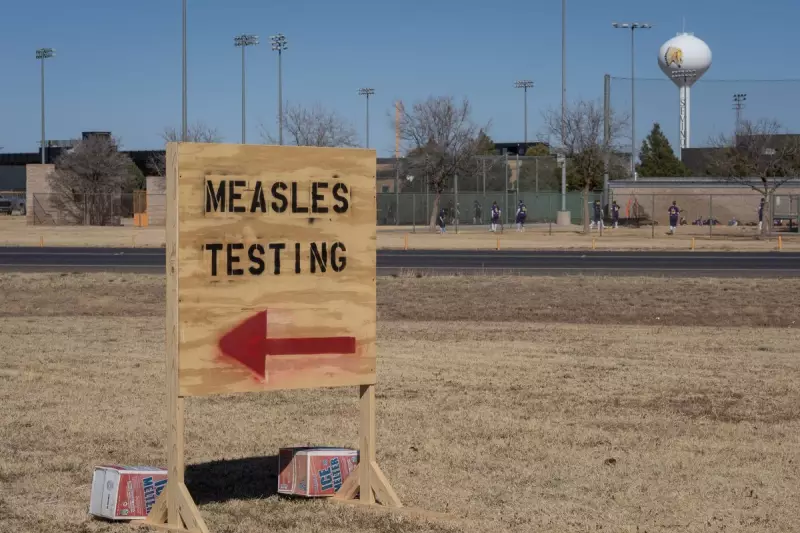
Health authorities in the United States are battling a severe and rapid escalation of measles, with a significant cluster in South Carolina reporting a worrying spike in infections over just a few days.
Alarming Surge in South Carolina Outbreak
Officials confirmed 124 new measles cases since last Friday, dramatically expanding an ongoing outbreak concentrated in the state's northwestern region. The surge follows the holiday period and underscores the virus's relentless spread. As of Tuesday, the total case count for the South Carolina outbreak, centred on Spartanburg County, has reached 434.
This rapid growth in the past month has positioned it as one of the nation's most serious current outbreaks. The situation has forced hundreds of children into quarantine due to exposures at school, with some facing multiple isolation periods. In a concerning development, an infected individual also visited the South Carolina State Museum in Columbia on Friday, potentially exposing others there.

The scale of the outbreak is now approaching that of a major incident in Texas last year, which recorded 762 cases and two child deaths—a figure experts suspect was an undercount.
National Crisis and a Separate Western Cluster
This local crisis is unfolding against the backdrop of the most severe nationwide measles spread in the US since 1991. Last year, 2,144 cases were reported across 44 states, resulting in three fatalities, all involving individuals who were not vaccinated.
Simultaneously, a separate measles outbreak continues along the Arizona-Utah border, in an area known as Short Creek. Since August, 418 people have been infected across the two states. Arizona health officials added nine new cases on Tuesday, bringing Mohave County's total to 217, while Utah reported two new cases for a total of 201. Experts in both states fear the true numbers may be higher.
Nicole Witt of the Arizona Department of Health Services stated: "We did see our cases slow and then pick back up again after the holidays. We're hopeful we'll see the end of this outbreak soon but, right now, we continue to see the same trickle of cases week over week."
The Vital Role of the MMR Vaccine
Measles is caused by a highly contagious airborne virus that spreads easily through breathing, coughing, or sneezing. Although declared eliminated in the US in 2000, the country now risks losing that hard-won status. The disease first infects the respiratory tract before spreading, causing high fever, runny nose, cough, red eyes, and a distinctive rash. While many recover, it can lead to severe complications like pneumonia, blindness, brain swelling, and death.
The most effective defence remains the measles, mumps, and rubella (MMR) vaccine. The first dose is recommended for children aged 12-15 months, with a second between four and six years. After two doses, the vaccine is 97% effective and provides lifelong protection.
Community protection, known as herd immunity, requires vaccination rates above 95% to prevent the virus from circulating freely. However, childhood immunisation rates have declined across the nation since the pandemic, with a growing number of parents seeking exemptions for their children based on religious or personal belief waivers.