
Patients given an 'immune reset' treatment on the NHS have gone into remission in groundbreaking new findings. For the first time in the UK, people with severe lupus have been treated with CAR T-cell therapy, which experts believe may also work for illnesses such as multiple sclerosis.
How CAR T-Cell Therapy Works
The therapy works by genetically modifying cells to enable the body's own immune system to recognise and attack problem cells. With CAR-T, a person's own T cells are genetically engineered and fed back via an infusion to 're-set' the immune system. The therapy only needs to be given once, potentially removing the need for lifelong medication.
NHS Trial Results
In the new NHS trial led by University College London Hospitals NHS Foundation Trust (UCLH) and University College London (UCL), five out of six patients with severe lupus went into remission within months of receiving CAR-T. Over an average follow-up of 11 months, they experienced rapid improvements in disease markers, including stabilised or improved kidney function.
Patient Story: Katie Tinkler
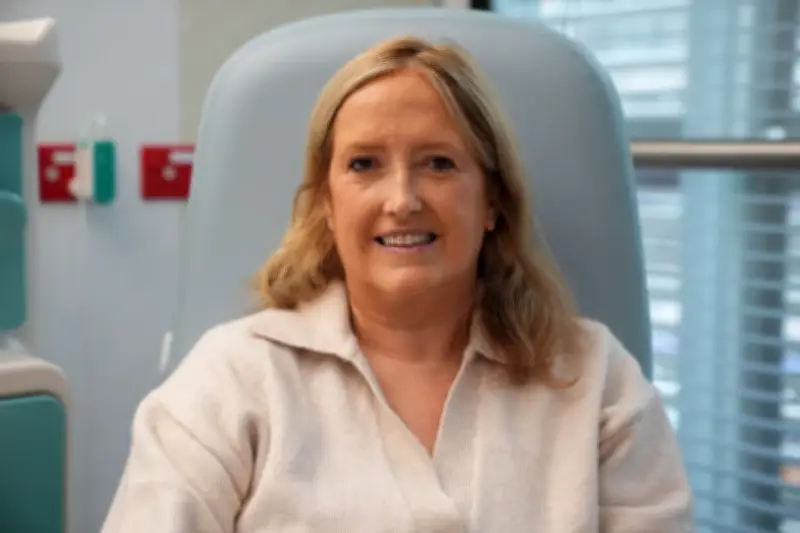
Katie Tinkler, 52, from Guildford, Surrey, was forced to give up her job as a fitness instructor due to debilitating pain and fatigue from lupus. She suffered swollen joints, kidney damage, lung and heart disease, and blood clots. After CAR-T treatment at UCLH, she is now in remission. 'My life two years ago versus now, it's unrecognisable,' she said.
Mrs Tinkler has been able to come off all steroid treatment and now takes only two tablets daily. She recently skied for the first time in a decade and danced at her daughter's wedding. 'It's miraculous for me,' she added.
Expert Comments
Professor Karl Peggs, director of UCLH's biomedical research centre, said: 'These findings are truly groundbreaking and offer fresh hope to people living with lupus. While more research is needed, the possibility that CAR T-cell therapy could deliver an immune reset marks a remarkable step forward.'
Dr Claire Roddie, an investigator on the trial from UCL Cancer Institute, added: 'These findings provide early evidence that CAR T-cell therapy may be able to reset the immune system and drive meaningful clinical improvements after a single treatment.'
Study Details
The study enrolled nine patients aged 12 to 65 with active, severe lupus who had not responded to multiple treatments. Six received a lower dose of CAR-T and three a higher dose. Following infusion, patients showed strong expansion of CAR-T cells and deep depletion of problem B cells. Over time, B cells returned but were predominantly early-stage cells, suggesting an 'immune reset' rather than simple suppression.
The new findings were presented at the EULAR European Congress of Rheumatology in London. Last year, biology teacher Emily Henders became the first UK patient to receive CAR-T for multiple sclerosis, with results pending.




