
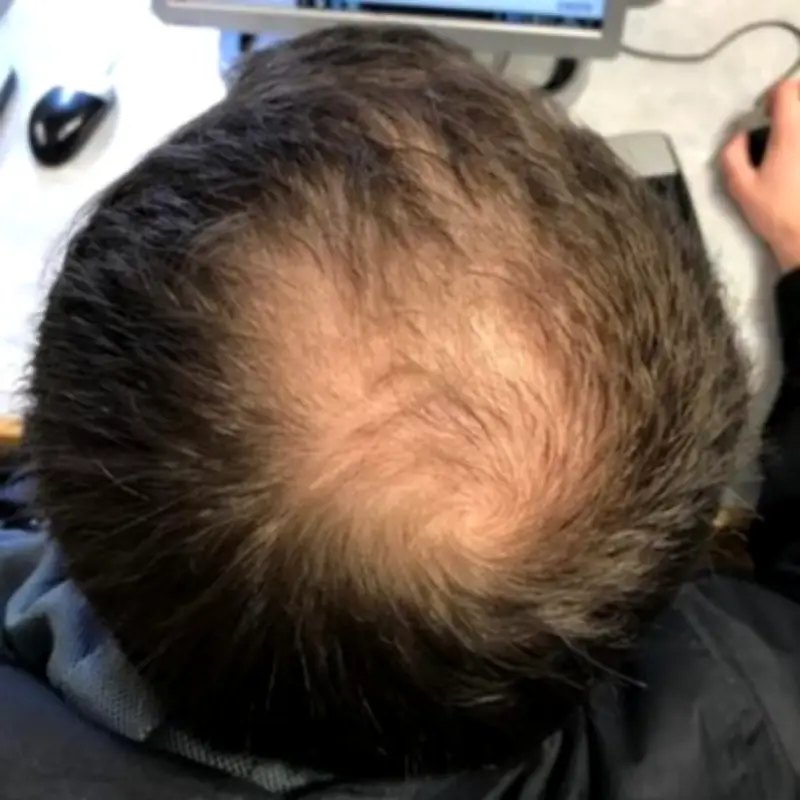
A herbal remedy used in traditional Chinese medicine for more than a thousand years could cure hair loss, according to a scientific review. Researchers say Polygonum multiflorum, a root long associated with promoting healthy hair growth, appears to act on several biological processes linked to androgenetic alopecia (AGA), commonly known as male or female pattern baldness.
Understanding Androgenetic Alopecia
AGA is the most common form of hair loss worldwide, affecting millions of people. The condition develops gradually as hair follicles shrink over time, producing thinner and shorter hairs until growth slows significantly or stops altogether.
Review Highlights Potential
A review published in the Journal of Holistic Integrative Pharmacy suggests Polygonum multiflorum may merit closer investigation as a potential treatment for the condition. Traditionally used in Chinese medicine to 'blacken hair and nourish essence', the herb appears to influence several pathways involved in hair loss and regrowth, rather than targeting a single mechanism.
The scientists said it 'possesses pharmacological activities such as promoting hair growth, and strengthening hair'. One of the key factors involved in androgenetic alopecia is dihydrotestosterone (DHT), a hormone that can gradually shrink hair follicles and impair their ability to produce healthy hair.
Mechanisms of Action
According to the review, compounds found in Polygonum multiflorum may help reduce the hormone's effects, potentially protecting follicles from further damage. Researchers also found evidence suggesting the herb may help prevent premature cell death within hair follicles, an important factor in maintaining the normal hair growth cycle.
The review highlights its potential ability to activate biological signalling pathways known as Wnt and Shh, both of which play important roles in tissue repair, cell communication and regeneration. In hair follicles, these pathways are associated with the transition from dormant phases into active growth, raising the possibility that the herb could encourage follicles to re-enter the growth stage.
The researchers suggest this multi-targeted approach differs from many existing treatments, which are primarily designed to preserve existing hair or slow further thinning. They also suggested that Polygonum multiflorum may improve blood circulation to the scalp, helping to deliver oxygen and nutrients needed to support healthy hair growth.
Bridging Ancient Wisdom and Modern Science
'Our analysis bridges ancient wisdom and modern science,' said Han Bixian, the first author of the review. 'What surprised us was how consistently historical texts - from the Tang Dynasty onward - described effects that align perfectly with today's understanding of hair biology. Modern studies now confirm that this isn't folklore; it's pharmacology.'
The review brings together evidence from laboratory studies, clinical observations and historical medical records. Experts said that preparation is a crucial factor. In traditional Chinese medicine, Polygonum multiflorum is typically processed before use, and the method of preparation can influence both its effectiveness and safety.
Safety and Side Effects
In their article, they wrote: 'When properly processed - a key step in traditional preparation - the herb shows a favourable safety profile, making it more acceptable to patients wary of side effects like sexual dysfunction or scalp irritation linked to current medications.'
The authors suggest that properly processed forms of the herb may be more acceptable to some patients concerned about side effects associated with conventional treatments, such as sexual dysfunction linked to finasteride or scalp irritation associated with minoxidil. But they caution that natural remedies should not automatically be considered risk-free. As with any medicinal product, the effects of herbal preparations can vary depending on dosage, manufacturing standards, and preparation methods.
Need for Further Research
Despite the encouraging findings, the researchers stress that larger and more rigorous clinical trials are still required. Much of the current evidence comes from laboratory research and small-scale clinical observations. Larger studies involving human participants will be necessary to establish both the effectiveness and long-term safety of Polygonum multiflorum in treating androgenetic alopecia.
But the review highlights a broader trend in medical research - the re-examination of traditional remedies using modern scientific methods. For people affected by hair loss, the findings may offer cautious optimism. While the ancient root is unlikely to replace established treatments in the immediate future, researchers believe it could help inform the development of future therapies aimed at promoting hair regrowth.




