
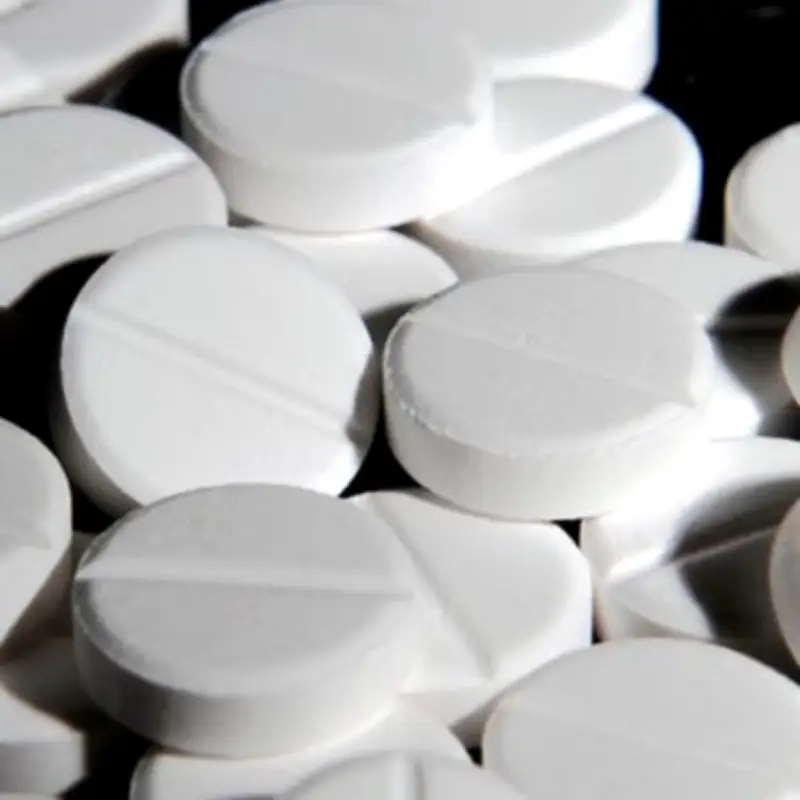
The United Kingdom has granted approval for a tablet version of the weight-loss medication Wegovy, marking the first pill of its kind to receive clearance from the Medicines and Healthcare products Regulatory Agency (MHRA). However, residents in Wales may face difficulties obtaining it due to regional prescribing restrictions.
Approval and Availability
Manufacturer Novo Nordisk announced that the once-daily tablet could offer a more practical alternative for some patients compared to weekly injections of GLP-1 medications that suppress appetite. Unlike the injectable form, the tablets do not require refrigeration, making them easier to transport.
Clinical trials have demonstrated that the tablet is safe and effective, though it may take several months to achieve full benefits. There is also a possibility that weight could return after discontinuing the medication.
The starting dose for the tablet is 1.5 mg once daily, increasing to 4 mg, 9 mg, and 25 mg, with a minimum of one month at each dose level. Like its injectable counterpart, the tablets contain semaglutide, which mimics the effects of the naturally occurring hormone GLP-1, reducing appetite and delaying digestion to promote fullness and curb hunger.
NHS and NICE Review
Despite the MHRA approval, the pill form of Wegovy will not be available on the NHS until specialists evaluate and recommend it. NICE confirmed to the BBC that Novo Nordisk had not yet contacted them regarding the tablet, though they are in active dialogue with the company.
Several high street and online pharmacies plan to incorporate the tablet into their doctor prescribing services within the coming weeks.
Wales-Specific Restrictions
Although NICE has approved GLP-1 injections for weight loss, Wales is implementing them gradually. The tablet cannot currently be prescribed by GPs on the NHS as part of the All Wales Weight Management Pathway. Patients in Wales require referrals to specialist tier three weight-management services for severe obesity (BMI over 45, or over 40 with certain conditions) to access tirzepatide, semaglutide, and liraglutide medications.
In October, the Welsh Government announced that people waiting for time-critical surgery or organ transplants, women pursuing fertility treatment, and those with conditions including severe asthma, severe obstructive sleep apnoea, or cancer where weight reduction would enhance treatment outcomes could obtain weight-loss medication via the NHS.
A Welsh Government spokesperson stated: "We want to ensure that the people of Wales have the means and the opportunity to live healthier and happier lives. We have an established approach to the use of weight-loss medication through the All-Wales Weight Management Pathway where they are prescribed after, and in conjunction with, essential lifestyle changes that support weight loss. This includes support for sustained weight maintenance following treatment."
The spokesperson added that semaglutide tablets will need to be evaluated by NICE to determine whether their benefits are appropriately balanced with their cost. If and when NICE recommends the tablets for NHS use, they will be made available to eligible individuals in Wales.
Side Effects and Reporting
As with any medication, there may be side effects, including nausea, diarrhoea, constipation, and vomiting. The UK Government advises anyone who suspects they are experiencing a side effect to talk to their doctor, pharmacist, or nurse and report it directly to the MHRA Yellow Card scheme.




