
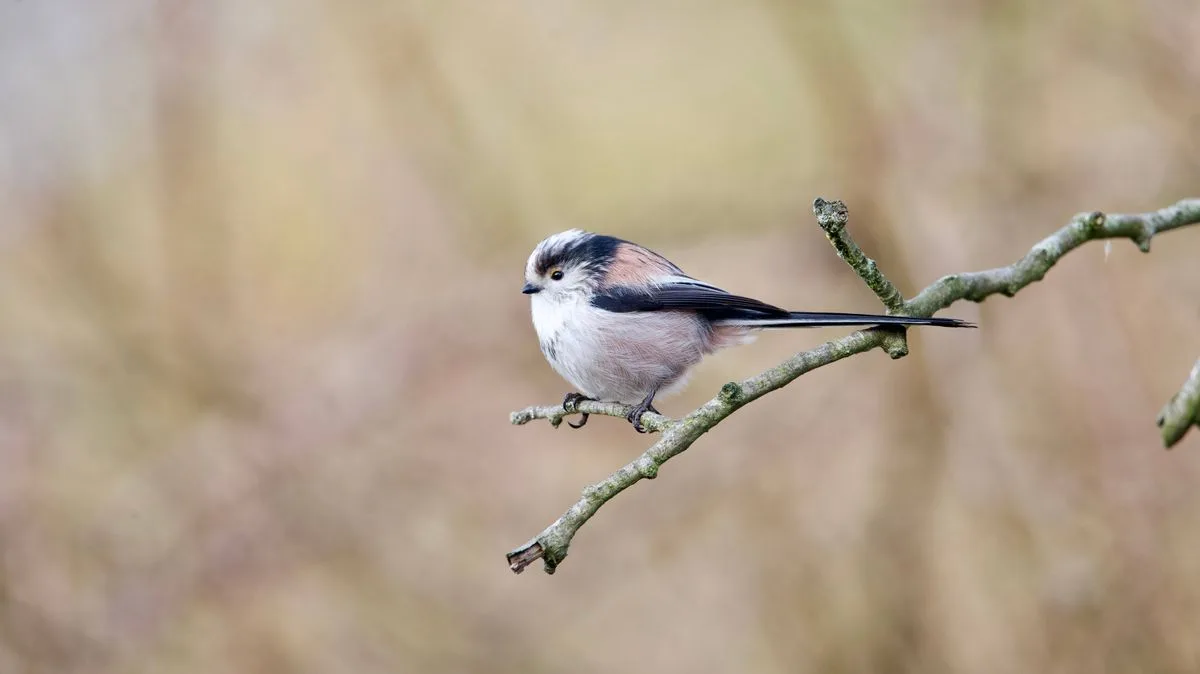
The RSPB's latest advice on summer bird feeding has sparked confusion, with many gardeners unsure whether to stop feeding birds entirely. However, bird feeding specialist Richard Green from Kennedy Wild Bird Food and Pet Supplies warns that such interpretations miss the key message and could harm bird populations.
Green explains that the guidance is not about stopping feeding but about modifying practices to reduce disease risk. He says: 'Much of the public reaction has come from headlines suggesting people should stop feeding birds in summer, but the actual guidance is about feeding differently, not stopping altogether.'
The real issue, according to Green, is poor hygiene at feeders. 'Seeds and peanuts are often blamed, but the real problem is dirty feeders, damp or mouldy food, leftovers building up and too many birds feeding in one place,' he adds. Abruptly stopping feeding can cause birds to congregate elsewhere, increasing competition and disease spread.
Green recommends providing alternatives like mealworms, fat balls and suet between May and October, and putting out small amounts of food that birds will eat within a day or two. 'Regular cleaning is what makes the biggest difference,' he emphasises, advising a routine with detergent or diluted bleach solution, thorough rinsing, and allowing feeders to dry fully before reuse.
This daily cleaning task is crucial, especially in urban areas where natural food is limited. Supplementary feeding has been shown to improve breeding success and chick survival, making proper hygiene the key to supporting garden birds safely.




