
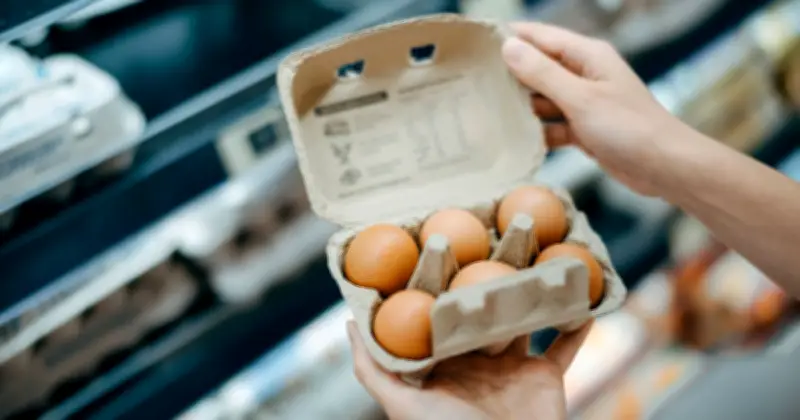
Eggs are one of the most versatile foods around. They can be scrambled, fried or poached for breakfast, turned into omelettes for lunch and used in everything from cakes to Yorkshire puddings. And, most people buy them without giving much thought to what is printed on the box or shell. But food safety experts are urging shoppers to take a closer look next time they pick up a box from the supermarket. That is because one small sign could help reduce the risk of salmonella. The advice comes as many people continue to enjoy eggs with runny yolks or use them in recipes that are only lightly cooked.
According to food safety experts, the key thing to look out for is the British Lion mark. The British Lion scheme was introduced in 1998 following the salmonella crisis that damaged public confidence in eggs. Since then, it has become the UK's main egg safety programme and now covers more than 90% of eggs produced in Britain. Eggs carrying the mark come from hens vaccinated against Salmonella Enteritidis and are produced under strict food safety standards. The scheme also includes regular testing, hygiene checks and full traceability through the supply chain.
For shoppers, the easiest way to check is to look for the red lion logo on both the box and the eggs themselves. While some cartons may say they were packed in the UK, the stamp printed on the shell provides the clearest indication of where the egg came from. British Lion eggs are widely available in UK supermarkets including Tesco, Sainsbury's, Asda, Morrisons, Aldi, Lidl, Waitrose, M&S, Co-op, Iceland and Ocado.
The warning is particularly important for people who enjoy soft-boiled eggs, poached eggs or homemade mayonnaise. Following a safety review, the Food Standards Agency confirmed that British Lion eggs can be safely eaten raw or lightly cooked by pregnant women, young children, older people and other vulnerable groups. However, that guidance does not apply to all eggs. Eggs that do not carry the British Lion mark may not have been produced under the same assurance standards. This can include some imported eggs as well as eggs sold outside the scheme.
The Food Standards Agency says the overall risk remains low, but imported eggs and egg products have been linked to a number of salmonella outbreaks in recent years. For eggs that do not carry the British Lion mark, NHS advice remains to cook both the white and yolk thoroughly before eating.




