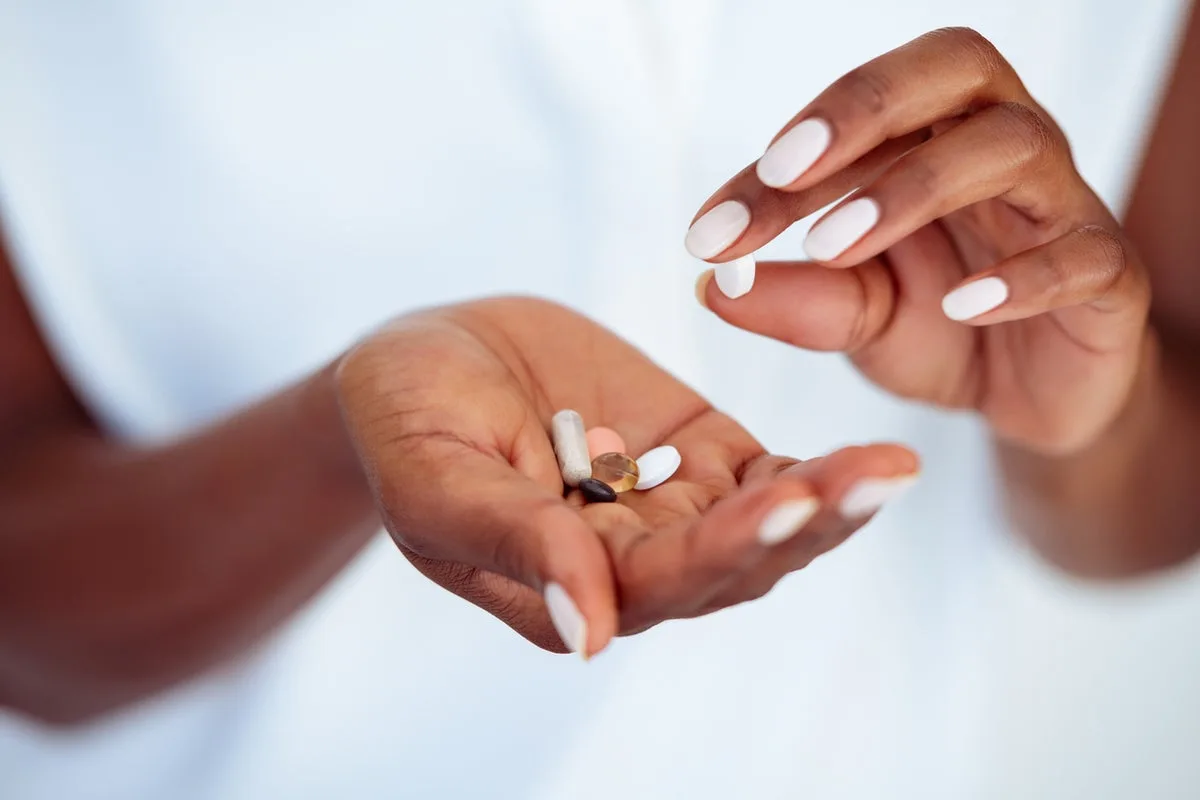
Social media is awash with supplements promising relief from menopause symptoms, from powders for brain fog to gummies for sleep. But what does the evidence actually say about popular options like magnesium, creatine, lion's mane and collagen?
Magnesium, involved in over 300 metabolic processes, may help with sleep problems and anxiety. Clinical trials show it can improve sleep onset and reduce insomnia severity in older women, while meta-analyses indicate modest anxiety reduction, particularly in those with low magnesium levels. However, these studies were not specifically in menopausal women. Magnesium also supports bone density, potentially addressing osteoporosis risk, but has not shown benefit for hot flushes, weight changes or cognitive symptoms. The type matters: magnesium citrate and glycinate are better absorbed than oxide. High doses can cause diarrhoea and affect the heart; those with kidney disease should avoid supplementation unless supervised.
Lion's mane mushroom is promoted for brain fog, but evidence is weak. Animal studies suggest it may stimulate nerve growth and reduce depressive behaviour in menopausal rats, but human trials show mixed results and none have involved menopausal women. It is generally well tolerated, except for those with mushroom allergies.
Creatine, long studied in men, shows promise for perimenopausal women. A 14-week trial found it increased lower body strength and improved sleep quality. However, evidence in post-menopausal women is mixed, with only minor short-term benefits. Creatine may also support memory and mood, especially during hormonal fluctuations, but more research is needed. Perimenopausal women have a 40% higher risk of depression, and limited data suggest creatine may accelerate antidepressant response. It is generally safe, but those with kidney disease should seek medical advice.
Hormone replacement therapy (HRT) remains the most effective treatment for many menopause symptoms, but alternatives attract attention as not everyone can or wants to use it. The evidence for supplements like magnesium and creatine is growing, but more research specifically in menopausal women is needed.