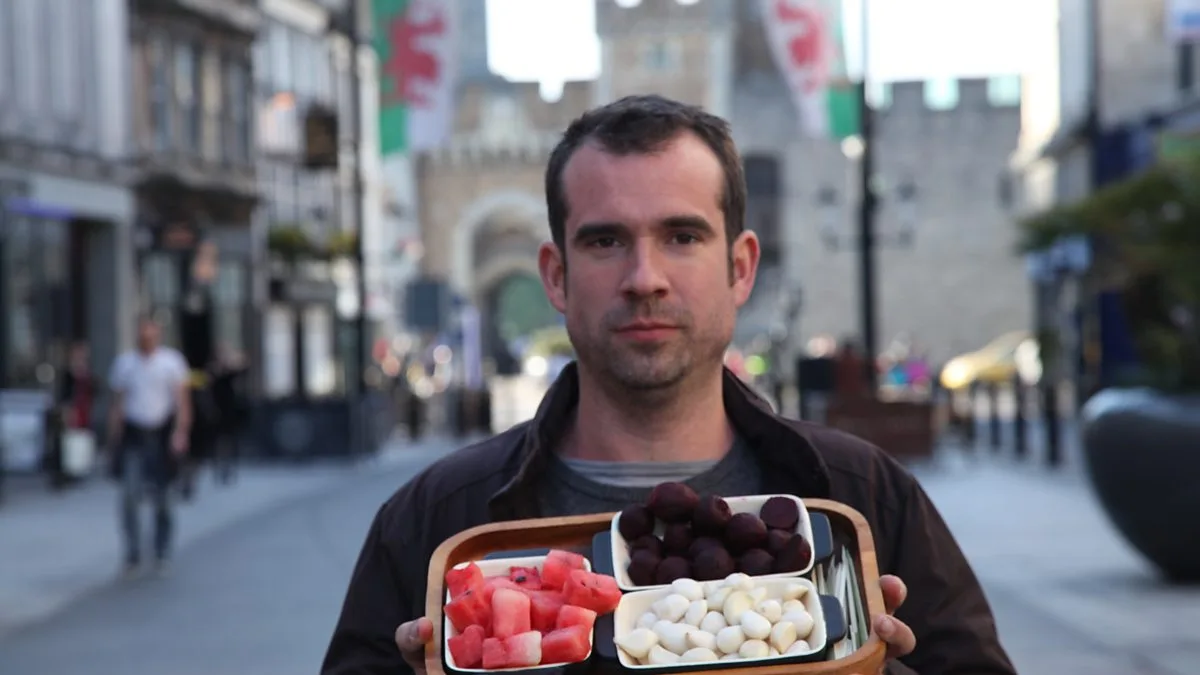
A small-scale experiment conducted for BBC Two's 'Trust Me, I'm a Doctor' has found that consuming beetroot and garlic daily may help reduce blood pressure. The study, led by Dr Andy Webb of King's College London, involved 28 volunteers with systolic blood pressure above 130 mmHg, who each tried beetroot, garlic, and watermelon over three weeks.
The results showed that a diet including beetroot lowered average systolic blood pressure from 133.6 mmHg to 128.7 mmHg, while garlic produced a similar reduction to 129.3 mmHg. Watermelon had a weaker effect, reducing blood pressure to 129.8 mmHg, possibly due to its high water content and lower concentration of active ingredients.
The active compound in beetroot is nitrate, which is converted by mouth bacteria into nitrite and then into nitric oxide, dilating blood vessels. Garlic contains allicin, believed to affect kidney hormones and widen blood vessels. Watermelon's L-citrulline also boosts nitric oxide levels.
Dr Chris van Tulleken, who presented the experiment, noted that such a drop in blood pressure, if sustained, could reduce the risk of stroke and heart attack by approximately 10%. However, he emphasised that these foods are not 'superfoods' but part of a broader diet rich in nitrates and allicins, found in green vegetables and allium plants like onions and leeks.