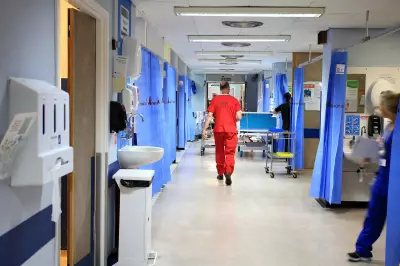
The National Health Service is facing a severe winter crisis as four separate hospital trusts have been forced to declare critical incidents. The move comes in response to what officials describe as "sustained pressures" caused by a significant surge in cases of seasonal flu and the norovirus stomach bug.
What Triggered the Critical Incidents?
The declarations, made on Monday, 12th January 2026, signal that the affected NHS trusts are operating under extreme strain. A critical incident is declared when a trust's internal capacity is overwhelmed, potentially compromising patient care or the safety of staff. The primary drivers are a sharp and concurrent rise in two highly contagious illnesses: influenza and norovirus.
This dual threat is placing an unsustainable burden on emergency departments, bed capacity, and staff availability. The situation is understood to be impacting multiple regions, though the specific trusts involved have not been named in the initial alert. The decision allows hospital management to enact emergency measures to manage demand and maintain essential services.

The Impact on Hospital Operations
Declaring a critical incident enables NHS trusts to take several drastic steps to cope with the surge. These can include cancelling non-urgent operations and outpatient appointments to free up clinical staff and beds. Hospitals may also appeal for off-duty medical personnel to return to work and initiate urgent discussions with local social care providers to facilitate the safe discharge of patients who are medically fit to leave.
The presence of norovirus, in particular, creates additional operational headaches. Wards often must be closed for deep cleaning to prevent the virus from spreading among vulnerable patients and staff, further reducing available bed space. This perfect storm of high community infection rates and reduced hospital capacity has pushed these four trusts into a state of emergency.
Broader Context and Public Health Advice
This incident highlights the ongoing challenges the NHS faces during the winter months, a period traditionally associated with heightened pressure. It follows repeated warnings from health leaders about the service's resilience in the face of seasonal viruses, especially when combined with existing backlogs and staffing shortages.
Health experts are likely to reiterate standard public health advice in light of the crisis. This includes urging eligible individuals to get their flu vaccination if they haven't already and emphasising the importance of basic hygiene to curb the spread of both flu and norovirus. The public may also be asked to consider using alternative services like NHS 111, pharmacies, or GP surgeries for non-life-threatening conditions to relieve pressure on A&E departments.
The declarations serve as a stark reminder of the fragility of healthcare systems during peak demand periods. The focus for the affected trusts will now be on implementing their contingency plans, protecting patient safety, and working to return to normal operations as the wave of infections subsides.