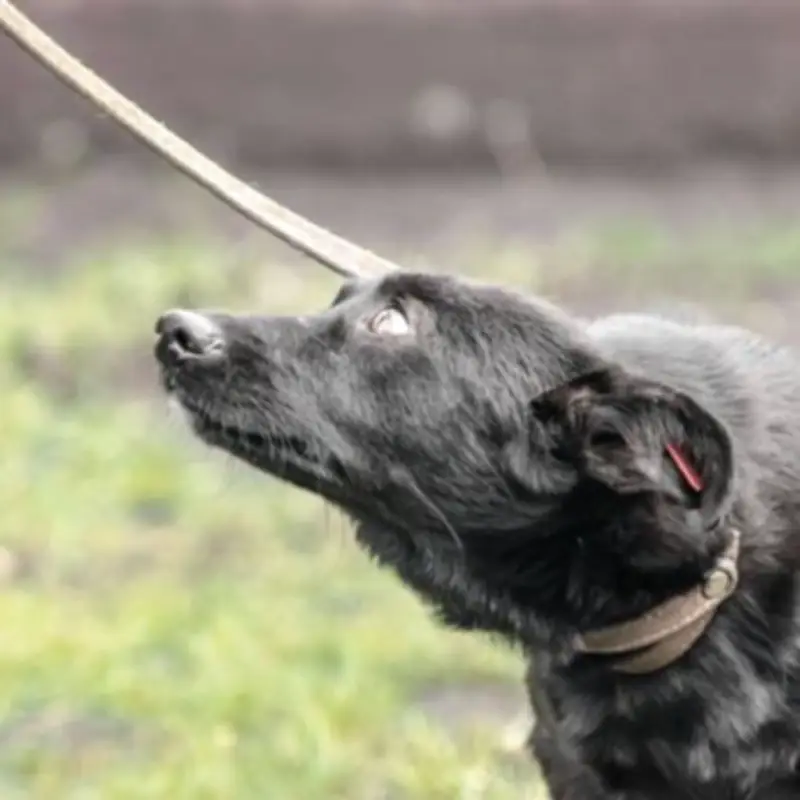
A dog expert has highlighted a heartbreakingly common gesture that signals your pet is feeling anxious. Dogs experience anxiety much like humans do, and as responsible pet owners, it's crucial to recognise the warning signs and understand how to boost your dog's confidence.
Rising Interest in Nervous Dogs
Interest in 'how to help a nervous dog' has skyrocketed by 5,000% over the past three months as families start making arrangements for their summer getaways. Multiple factors can affect a dog's confidence levels, from their environment to their owner's demeanour. Research by Canine Cottages reveals that 68% of pet owners believe their own confidence directly influences their dog's behaviour.
To help identify whether your dog is suffering from anxiety and assist in building their self-confidence, Canine Cottages' in-house dog expert and canine scientist, Dr Emma Scales-Theobald (PhD Veterinary Medicine), has compiled a comprehensive list of key indicators to monitor, alongside practical guidance on developing their confidence so they can enjoy each walk more fully than before.
Signs Your Dog is Nervous
Dogs possess a remarkable ability to communicate when they're feeling anxious or stressed. Owners simply need to recognise the key indicators.
Attention Seeking
As owners, you represent your dog's sanctuary, and proximity to you is one of the main sources of comfort for them. When your dog suddenly begins jumping up at you or pressing close against you, they're looking for comfort and reassurance.
Reactiveness
A key warning sign to observe is your dog suddenly displaying heightened reactivity, whether through barking, skittishness or unusual responses to sights and sounds. Additionally, watch for increased pulling on the lead. When your dog exhibits nervous behaviour that's out of character, they're likely trying to signal that they're feeling anxious.
Stress Panting
Panting is a normal way for dogs to cool down in warm weather or after exercise, but if they start panting excessively in any situation, it may suggest they're experiencing stress.
Freezing
During walks, your dog may freeze and refuse to move, though this isn't always due to stubbornness. There are various reasons for this behaviour, from tiredness to confusion about where you're heading.
Dr Emma explains: "Typically, if a dog is feeling stressed or overwhelmed in a new environment, they will show this through different behaviours. For example, they will probably begin to pant excessively, have their tail tucked under their body, and they might tremble and have their ears pinned down, showing whale eye. They will likely be unwilling to explore more and disinterested in their treats or toys."
"They might whine, try to hide or cower and become clingy. If overstimulated, they might start to excessively bark, become hyperactive, start ignoring commands they would usually respond to and find it hard to settle."
According to the doctor, if your dog starts displaying these signs, reduce the intensity, schedule a break, try to help them settle down and offer water and reassurance. Where possible, cut the walk short and attempt it again later or another day.
How to Build Your Dog's Confidence
Simply because your dog is feeling anxious doesn't mean there aren't ways to boost their confidence and strengthen your four-legged friend's self-assurance. Some effective approaches include varying your routine, taking a pause, offering plenty of treats, and allowing your dog to take the lead and explore during your walks.
Change Up Your Routine
Gradually adjusting your schedule can be an effective way to improve your confidence while exploring unfamiliar places. Be careful not to overwhelm them by being too ambitious; just make small changes gradually and let them explore at their own pace.
Have a Sit Down
By going to a new spot and simply watching what's happening around you, you give your dog a chance to take everything in, and they might even find the courage to take a few steps forward.
Let Them Sniff
One of the main ways dogs familiarise themselves with a new environment is by taking in all the smells around them, so be patient and give them time to get a feel for the area. Dr Emma adds: "Sniffing is their main sense and how they predominantly explore the world. They will therefore be very excited to sniff everything, to take everything in."
Let Them Lead
Should your dog encounter something unsettling in their surroundings, their instinct will be to avoid it. Rather than pushing them to press on, allow your pet to determine where they wish to explore and what they would rather give a wide berth.
Plenty of Treats
When your dog is behaving well and demonstrating bravery, nothing encourages them quite like a tasty reward. Generous praise will keep their spirits high too, though no dog will turn down a delectable treat. Dr Emma advises: "Bringing items from home like their favourite toy can provide comfort, being a familiar smell and encouragement to come out of their shell a little. Introducing them slowly and at their pace will help them to relax more, and keeping visits short will help prevent them from getting too overwhelmed."
Build Your Own Confidence
As our most loyal companions, dogs are remarkably attuned to our emotions, so it's worth setting a positive example by projecting confidence during your walks. Plan your route in advance and ensure you're suitably prepared for the prevailing weather conditions, so that the outing proves a relaxing and enjoyable experience for both you and your beloved pet.
Sarah Pring, Digital PR Manager at Canine Cottages, adds: "Everyone gets nervous sometimes, even the bravest people and pooches, but by letting your dog take things at their own pace and get to know your routes when they feel comfortable, you can build their confidence up to explore the world one walk at a time."