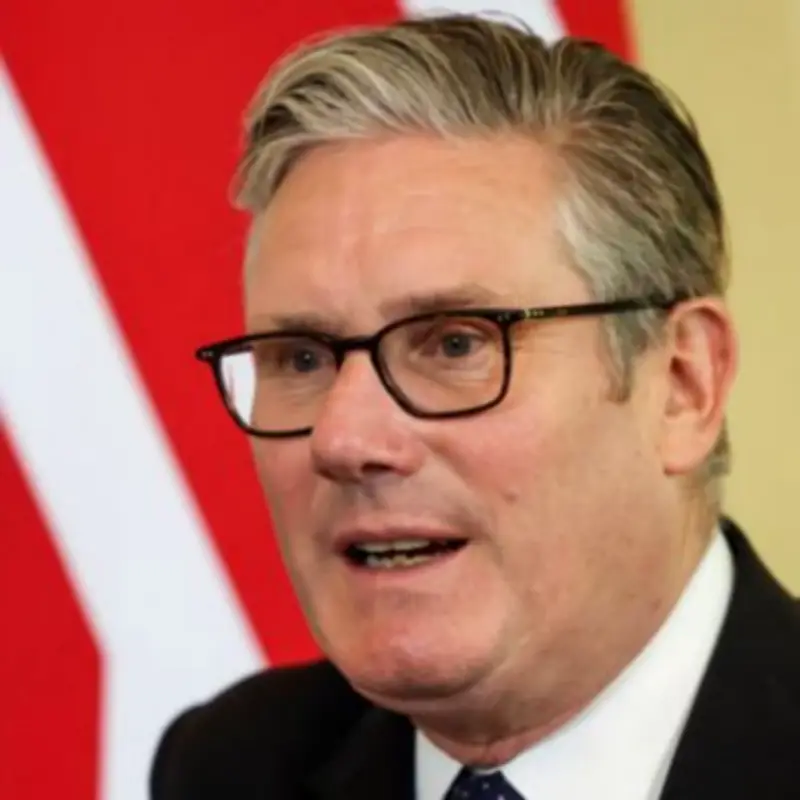
Prime Minister Sir Keir Starmer has announced that under-16s will be banned from a range of social media platforms, calling it a "big moment for our country." The Government intends to "move at speed" to pass the legislation, as revealed during a Downing Street press conference on June 15.
When Will the Ban Start?
The Government aims to pass the legislation before Christmas this year, with the law expected to come into effect in early 2027, "probably around spring time." The ban will cover platforms such as TikTok, Instagram, Threads, Facebook, X, YouTube, Snapchat, and Reddit, following Australia's example of raising the minimum age to 16. However, a full list of sites has not yet been published.
How Will the Ban Work?
Sir Keir has not revealed full details on enforcement, but the ban will extend beyond Australia's by including romantic or sexual AI chatbots. Children could also be blocked from chatting to strangers on gaming platforms, according to The Sunday Times. The Government will also take "world leading" action on gaming and live streaming platforms to prevent strangers from contacting children.
Why Is the Ban Being Introduced?
The Prime Minister warned that social media is impacting children's happiness and mental health, making it easier for bullies to harass and abuse, and exposing them to dangerous content. He stated, "Social media is making children unhappy," and highlighted features like infinite scroll designed to be addictive, stopping children from doing homework, reading, playing outside, and getting adequate sleep.
The announcement follows a public consultation that closed on May 26, receiving about 116,000 responses—the second-largest in history. Over 83% of parents who responded said social media risks outweigh benefits for children, with 91% backing a minimum age of 16. Among children, 62% said restricting high-risk features would make them safer online, but 72% worried about feeling left out.
Reactions and Challenges
The move risks a backlash from Donald Trump's pro-tech US administration, which warned against a blanket ban. The US embassy in London preferred "narrowly targeted requirements" and expressed concerns that age verification could impose disproportionate burdens on American companies. Sir Keir acknowledged that some children would find their way around the ban but expressed confidence in its effectiveness.