
An artificial intelligence tool tested by the NHS has identified tiny signs of breast cancer in 11 women that had been missed by human doctors. The tool, named Mia, was piloted alongside clinicians and analysed mammograms from over 10,000 women.
While the majority were cancer-free, Mia successfully flagged all cases with symptoms, plus an additional 11 that doctors did not identify. At their earliest stages, cancers can be extremely small and hard to spot. The BBC saw Mia in action at NHS Grampian, where tumours practically invisible to the human eye were shown.
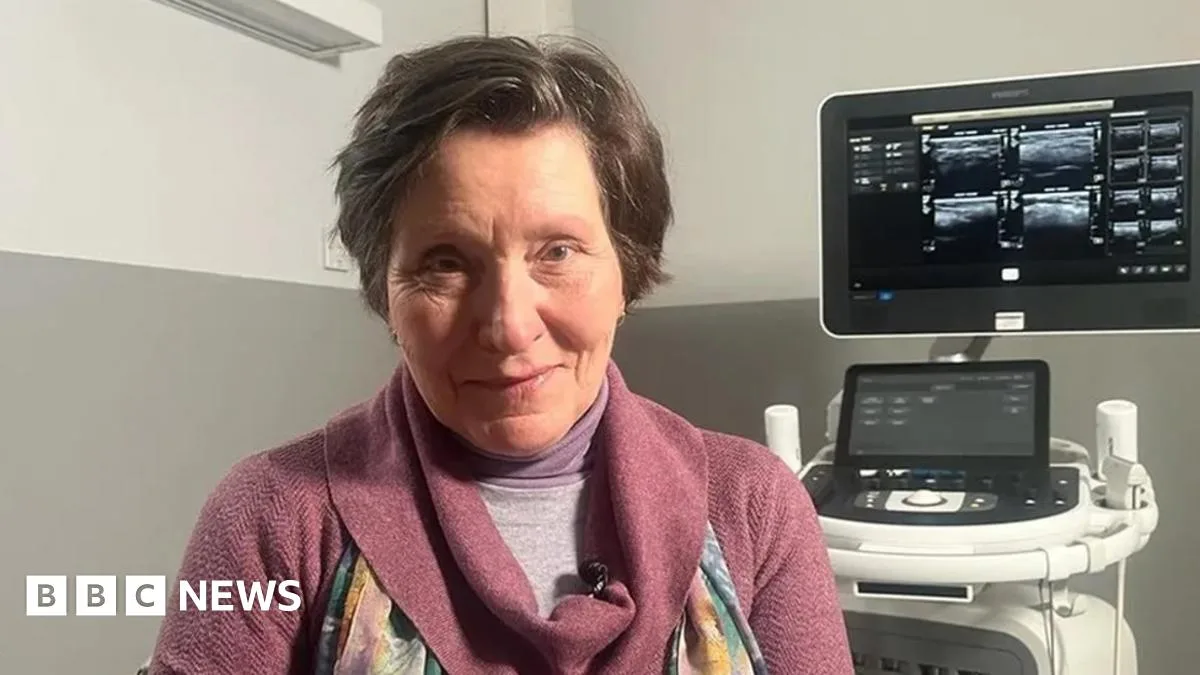
Barbara was one of the 11 patients whose cancer was flagged by Mia but not spotted by radiologists. Because her 6mm tumour was caught early, she had an operation and only needed five days of radiotherapy. Breast cancer patients with tumours smaller than 15mm have a 90% survival rate over five years. Barbara said her treatment was much less invasive than that of her sister and mother, who had also battled the disease. Without Mia, her cancer might not have been spotted until her next routine mammogram three years later.
Mia works instantly, and its developer Kheiron claims it could reduce waiting times for results from 14 days to three. In the trial, every case reviewed by Mia also had a human review. Currently, two radiologists examine each scan, but the hope is that one could eventually be replaced by the tool, halving the workload. Of the 10,889 women in the trial, only 81 declined AI review of their scans, said Dr Gerald Lip, clinical director of breast screening in north-east Scotland.
AI tools are effective when trained on diverse data, but obtaining such data can be challenging due to privacy concerns. Sarah Kerruish of Kheiron Medical said it took six years to build and train Mia on millions of mammograms from women worldwide. Dr Lip noted that radiologists can be distracted and miss cancers, but he sees Mia as a friend and augmentation, not a replacement. The tool is not perfect: it had no access to patient history and could not learn on the job due to regulations. The Mia trial is an early test, and results have not yet been peer-reviewed.




