
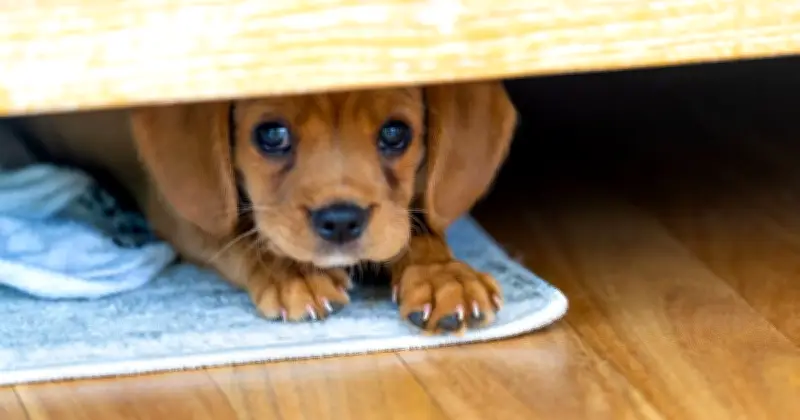
A leading canine scientist has revealed the heartbreaking signs that indicate your dog is feeling nervous, anxious, or overwhelmed. As pet owners, it is crucial to recognize these signals and take steps to boost your dog's confidence.
Surge in Searches for Nervous Dog Help
Searches for 'how to help a nervous dog' have skyrocketed by 5,000% over the past three months, as people begin planning their summer holidays. Numerous factors influence a dog's confidence, from their surroundings to the owner's own confidence levels. According to a survey by Canine Cottages, 68% of pet owners believe their personal confidence directly impacts their dog's behaviour.
Signs Your Dog Lacks Confidence
To help dog owners identify nervousness, Dr Emma Scales-Theobald (PhD Veterinary Medicine), resident dog expert and canine scientist at Canine Cottages, has compiled a list of warning signs and practical advice for building confidence.
Attention Seeking
As owners, you are your dog's safe haven. If your dog suddenly jumps up at you or snuggles close, they are seeking reassurance.
Reactiveness
A key indicator is your dog becoming extremely reactive—barking, jumpiness, or pulling harder on the lead. If your dog behaves skittish and out of character, they are likely feeling anxious.
Stress Panting
While panting is normal for temperature regulation, excessive panting in any circumstance can indicate stress.
Freezing
During walks, your dog might freeze and refuse to move. This could be due to exhaustion or uncertainty about the destination.
Dr Emma explains: "Typically, if a dog is feeling stressed or overwhelmed in a new environment, they will show this through different behaviours. For example, they will probably begin to pant excessively, have their tail tucked under their body, tremble, have their ears pinned down, and show whale eye. They will likely be unwilling to explore, disinterested in treats or toys, whine, try to hide, or become clingy. If overstimulated, they might excessively bark, become hyperactive, ignore commands, and find it hard to settle."
If your dog exhibits these symptoms, Dr Emma advises easing off the pace, arranging a rest period, encouraging calmness, and providing water and comfort. If possible, curtail the outing and try again later or on a different day.
How to Build Your Dog's Confidence
There are effective ways to develop your dog's self-assurance:
Change Up Your Routine
Gradually vary your schedule to enhance confidence when discovering new locations. Make modest alterations over time and allow your dog to explore at their own speed.
Have a Sit Down
Visit a new location and simply observe the surroundings. This gives your dog an opportunity to absorb everything and may encourage them to venture out.
Let Them Sniff
Dogs become acquainted with new places by absorbing scents. Be patient and allow them to gain an understanding of the area. Dr Emma adds: "Sniffing is their main sense and how they predominantly explore the world."
Let Them Lead
If your dog finds something frightening, they will naturally steer clear. Allow them to dictate where they wish to explore and what to avoid.
Plenty of Treats
Reward good behaviour and courage with tasty treats. Abundant praise also keeps them happy.
Dr Emma advises: "Bringing items from home like their favourite toy can provide comfort, being a familiar smell and encouragement to come out of their shell. Introducing them slowly and at their pace will help them relax, and keeping visits short will prevent them from getting too overwhelmed."
Build Your Own Confidence
Dogs sense when we aren't feeling our best. Lead by example—map out your route beforehand and be prepared for weather conditions so walks are calming for both you and your pet.
Sarah Pring, Digital PR Manager at Canine Cottages, adds: "Everyone gets nervous sometimes. By letting your dog take things at their own pace and get to know routes when they feel comfortable, you can build their confidence to explore the world one walk at a time."




