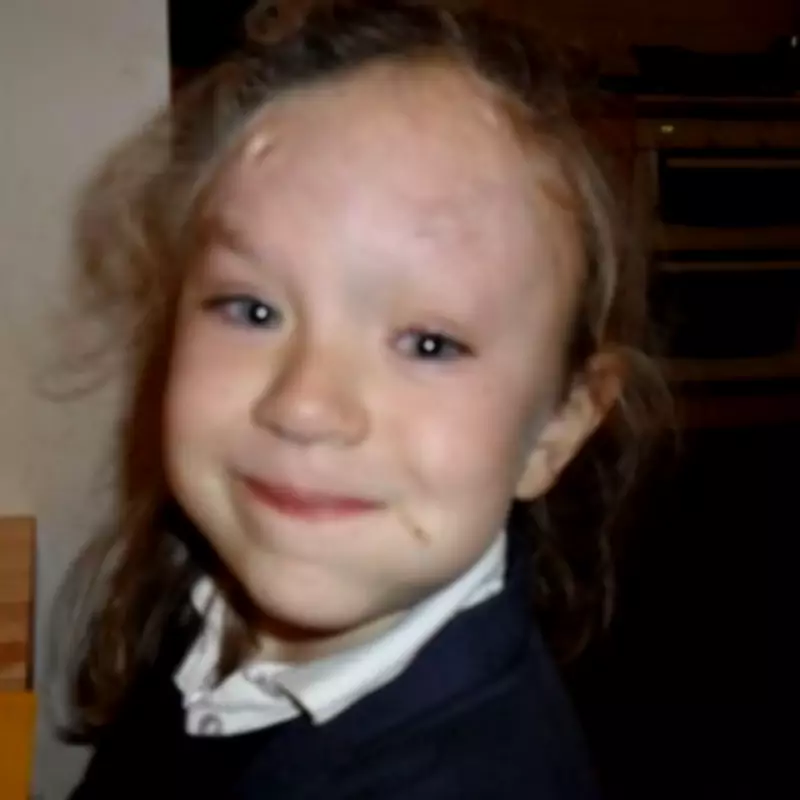
A paediatric nurse born with an exceptionally rare skin condition has spoken out about her journey from being bullied to embracing her unique appearance. Kate Markham, 21, was born with Cutis verticis gyrata, a disorder that causes the skin on the scalp or forehead to develop folds and ridges. Despite facing taunts and online harassment since secondary school, she now feels more confident than ever.
A Rare Condition from Birth
Doctors were initially puzzled by Kate's condition when she was a newborn. They even speculated about possible brain damage because the folds were more pronounced when she had no hair. An MRI eventually provided the diagnosis: Cutis verticis gyrata. "Doctors explained that it's a rare condition where the skin forms folds, and that it wasn't harmful to my health," Kate recalled. Her parents were always open about it, teaching her that it did not define her.
Facing Bullying and Misconceptions
Secondary school proved to be the toughest period. "People could be quite unkind without thinking about how it affected me," she said. Many assumed she had been in an accident or suffered an injury. Comments like "that's ugly," "shave it off," or "just get surgery" were common. Despite considering options such as surgery, Botox, and microblading, Kate chose not to alter her appearance. "I'm happy as I am, and I don't feel the need to change for anyone," she affirmed.

Finding Solace in Horse Riding
Kate discovered a safe space in horse riding, where wearing a hat made her feel like everyone else. "I was judged on my ability, not my appearance," she explained. Over time, she experimented with hairstyles to hide her eyebrows but eventually grew out of that phase. Cognitive behavioural therapy provided her with coping strategies that she still uses today, channelling her emotions into art.
Embracing Uniqueness
A surge of social media attention in recent years shifted her perspective. Despite troll comments, she now sees her uniqueness as special. "Being unique feels special to me now, and I'm more confident than ever, even wearing my fringe back when I never would have before," she said. Her family's unwavering support has been crucial. "They listened to me, reassured me, and helped me through difficult moments," Kate added.
Now working as a paediatric nurse, Kate hopes her story inspires others to embrace their differences. "It's definitely shaped me as a person," she concluded. "It's helped me build strong friendships with people who genuinely accept me for who I am. It's also given me a thick skin and confidence in speaking to people and explaining my condition."