The Forgotten Feast: What Should We Actually Eat on St George's Day?
While other nations celebrate their patron saints with vibrant food and festivities, England often lets St George's Day pass with minimal fanfare. This lack of an attendant food tradition is a key reason why the day remains undercelebrated. However, from roast beef and rare-breed lamb to the fleeting arrival of new-season asparagus, the makings of a St George's Day feast are all around us, as noted by food historian Mark Riddaway.
Why St George's Day Lacks Festivity
Unlike Christmas, Easter, Halloween, or Bonfire Night, which thrive on shared food and drink, St George's Day has no established culinary customs. This absence diminishes its mass appeal, as communal eating is a cornerstone of English comfort and tradition. Yet, this could change by embracing the diverse and rich food offerings available, particularly in places like London's Borough Market.
Building a St George's Day Feast
To create a meaningful celebration, consider these elements that highlight England's culinary identity and history.
An Expression of Place
Food serves as a pure expression of a place and its people. Traditional items like potted Morecambe Bay shrimp, farmhouse Wensleydale, Melton Mowbray pork pies, and Somerset cider draw on centuries of English history and regional idiosyncrasy. Consuming local specialties, such as oysters from the Blackwater estuary or cobnuts from Kent, allows one to taste the essence of home. Supporting these traditional foodstuffs is crucial to preserving England's culinary heritage.
The Beef of Old England
St George, also the patron saint of farmers and butchers, inspires a focus on quality meat. At Borough Market, you can find sirloin from rare-breed native oxen, reared on lush pastures and prepared by expert butchers. Serving this with punchy English mustard offers a culinary salute to tradition. Historically, the 18th-century ballad "The Roast Beef of Old England" celebrated this meat-based patriotism, a harmless form of food-based braggadocio worth reviving.
A Seasonal Treat
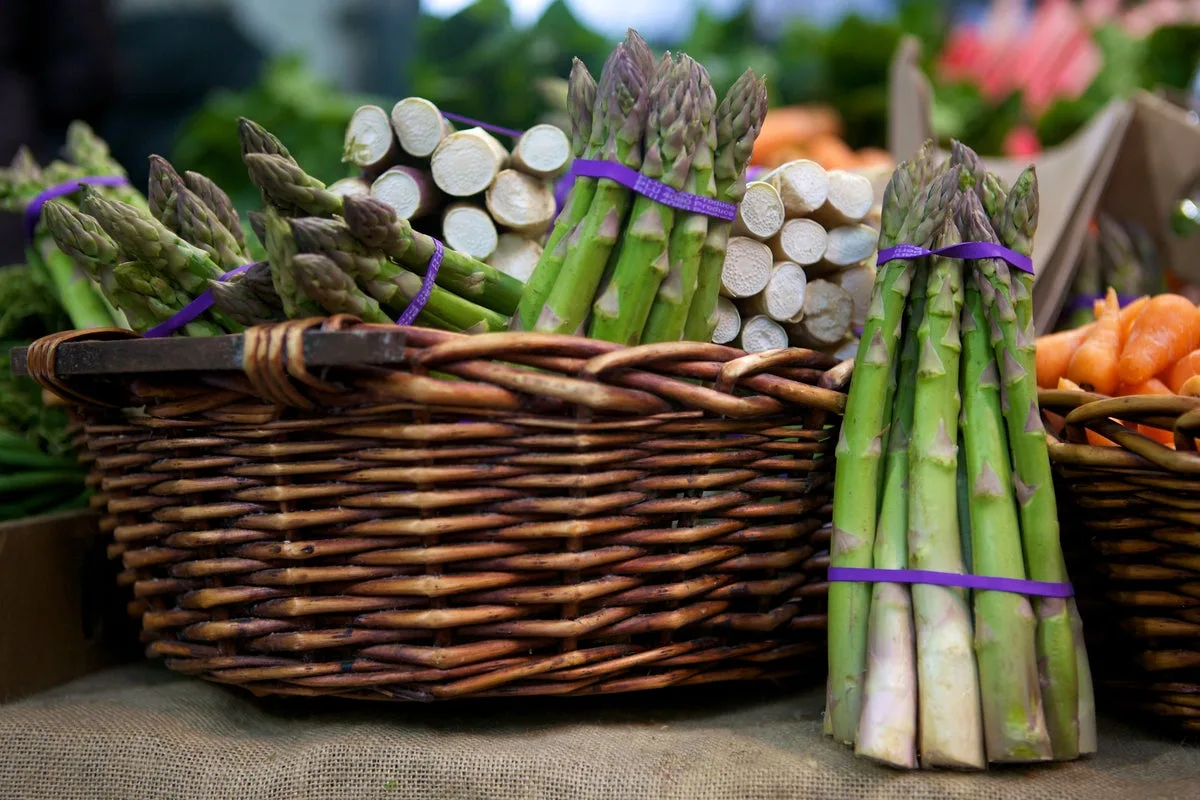
Traditionally, St George's Day marks the start of the asparagus season. English asparagus is renowned for its sweet, mineral, and verdant qualities, rivaling the best Italian tomatoes or Spanish peppers. Its peak lasts only a few weeks, making it a fleeting delight. Embracing seasonal eating at markets like Borough allows appreciation for England's maritime climate, which produces world-class green vegetables despite the drizzle.
A Taste of the Levant
St George himself never visited England; he was born in modern-day Turkey to a Cappadocian Greek father and Palestinian mother, and died in the eastern Mediterranean. England's food culture has always been open, as seen in the refugee roots of fish and chips and the embrace of Indian curries. Celebrating with falafel, Gemlik olives, Corinth raisins, and hummus from his home region reflects this inclusive spirit, making it a fitting tribute.
Some Catalan Romance
St George is also patron saint of regions like Catalonia, where the day is celebrated with roses, books, and special breads, focusing on love and literature rather than dragon-slaying. Incorporating Catalan products from Borough Market, along with flowers and cookbooks, adds a romantic and literary dimension to the feast, enriching the celebration with international flair.
A Bit of the Bard
St George's Day coincides with the anniversary of William Shakespeare's death and possible birth. Shakespeare likely shopped at Borough Market while living in Bankside, fueling his creative burst with local food. While unproven, this connection adds a cultural layer, suggesting that market traders may have supported one of England's greatest literary periods.
A Generous, Open Englishness
Borough Market represents an Englishness that is both rooted in history and gloriously open. Instead of using St George's iconography for exclusion, the day could celebrate this inclusive outlook. Great food and strong English tea can make St George's Day a time for togetherness and appreciation of diverse influences.
Recipes for a St George's Day Feast
To bring this feast to life, here are some recipes that embody the spirit of the day.
Lamb Meatballs in Yoghurt, Pea and Herb Broth
This dish features minted lamb meatballs in a light broth with sugar snap and mangetout peas, perfect for spring. Use lamb mince with a decent fat content from a butcher for best results. Serve with quinoa, pearl barley, or light pasta like orzo.
- For the meatballs: 500g lamb mince, 100g ricotta, 50g dry breadcrumbs, 1 garlic clove, lemon zest, 1 egg, mint, salt, pepper.
- For the broth: 600ml vegetable stock, bay leaves, garlic bulb, peas mixture, chervil.
- Method: Mix ingredients, form meatballs, bake, then poach in broth with peas. Stir in herbs and serve with yoghurt and grains.
Asparagus and Sorrel Puff Pastry Tart
Highlighting seasonal asparagus, this tart pairs it with sharp cheese and pastry. It's a reminder that seasonality can be celebration enough.
- Ingredients: 500g asparagus, 50g sorrel, 200ml creme fraiche, 25g parmesan, olive oil, 320g puff pastry.
- Method: Blanch asparagus, mix sorrel and parmesan into creme fraiche, assemble on pastry, and bake until golden. Serve with a green salad.
Slow-Cooked Beef Shin Tagliatelle
A modern nod to the "roast beef of Old England," this rich ragu uses slow-cooked beef shin for depth of flavor. Resting overnight enhances the taste.
- Ingredients: 500g beef shin, onion, carrot, thyme, cinnamon, garlic, tomato puree, chipotle, tomatoes, beef stock, red wine, butter, tagliatelle, pecorino.
- Method: Brown beef, cook vegetables, add ingredients, slow-cook in oven, shred meat, and serve with pasta and pecorino.
By embracing these food traditions, St George's Day can transform into a celebration of English culinary heritage, openness, and seasonal joy, making it a feast worth remembering.