Drone Survey Reveals Breeding Success for Endangered Dunlins in Cumbrian Pennines
Drone Survey Finds Hope for Rare Dunlins in Cumbria

Drone Survey Offers New Hope for Endangered Dunlins in Cumbrian Pennines

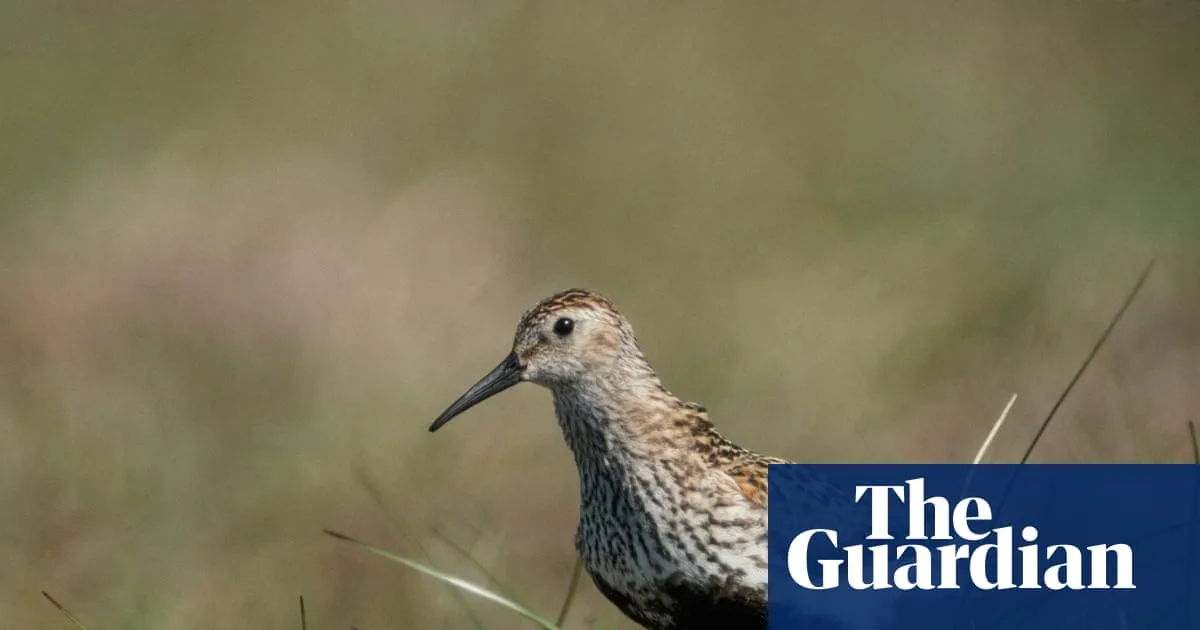
Deep within the rugged landscape of the Cumbrian Pennines, a remarkable conservation story is unfolding. The dunlin, a small wading bird with spindly legs and a distinctive long beak, has been facing severe decline across England. These birds undertake an extraordinary migratory journey, travelling thousands of miles from west Africa to breed in the heather moorlands of Cumbria. However, their favoured soggy, boggy habitats have been increasingly drained and burned for agricultural purposes and grouse shooting, pushing the species towards the brink.

Innovative Drone Technology Uncovers Breeding Success

In a groundbreaking survey funded by Natural England, conservationists from the Royal Society for the Protection of Birds (RSPB) employed drone technology to access and monitor hard-to-reach areas of the Pennines. This innovative approach has yielded encouraging results, revealing that dunlin chicks are not only present but thriving in specific locations where habitat restoration efforts have been implemented.

The survey covered fourteen locations across the region, with dunlins confirmed in eight of them. Crucially, the presence and success of the birds directly correlated with the quality of their habitat. One particularly heartening discovery was made on the High Helbeck estate, where landowners have been actively creating and improving conditions for wading birds.

Collaborative Habitat Restoration Bears Fruit

The success at High Helbeck is a testament to years of collaborative work between conservationists and landowners. Estate managers have created 79 hectares of restored peatland and constructed 25 new wader "scrapes" – shallow pools that provide essential feeding grounds for dunlins. In one charming video captured by the team, chicks were observed feeding in a newly created bog pool, a clear sign of the project's effectiveness.

Nicolete Blackett-Ord, a joint landowner at High Helbeck, expressed her satisfaction: "It has been extremely rewarding to take part in this project. We've learnt such a lot about this threatened species' distribution and habitat needs. To confirm breeding at High Helbeck is particularly special because we have worked with the RSPB and partners for several years, improving habitat, to enable wading birds to thrive."

A Species Under Global and National Threat

The findings offer a glimmer of hope for a species under significant pressure. Globally, dunlin populations have declined by at least 20% since the early 2000s, leading the International Union for Conservation of Nature (IUCN) to classify them as near threatened. In the United Kingdom, the situation is even more dire, with the species now red-listed, marking it as one of the country's rarest birds.

Conservation experts have long warned about the declining populations of UK waders, citing the dual threats of the climate crisis and widespread habitat degradation. The Cumbrian project demonstrates a proactive solution.

Kath Milnes, a senior officer for Natural England in Cumbria, highlighted the broader benefits: "This fantastic work across the Cumbrian Pennines clearly demonstrates how investing in nature delivers multiple benefits for everyone. By working with landowners and conservation partners to restore and re-wet peatlands, we're creating the right conditions for species like dunlin to thrive."

This collaborative model, combining modern technology with traditional land management and habitat restoration, provides a vital blueprint for conserving not only the dunlin but other vulnerable species across the UK's unique and precious landscapes.




