
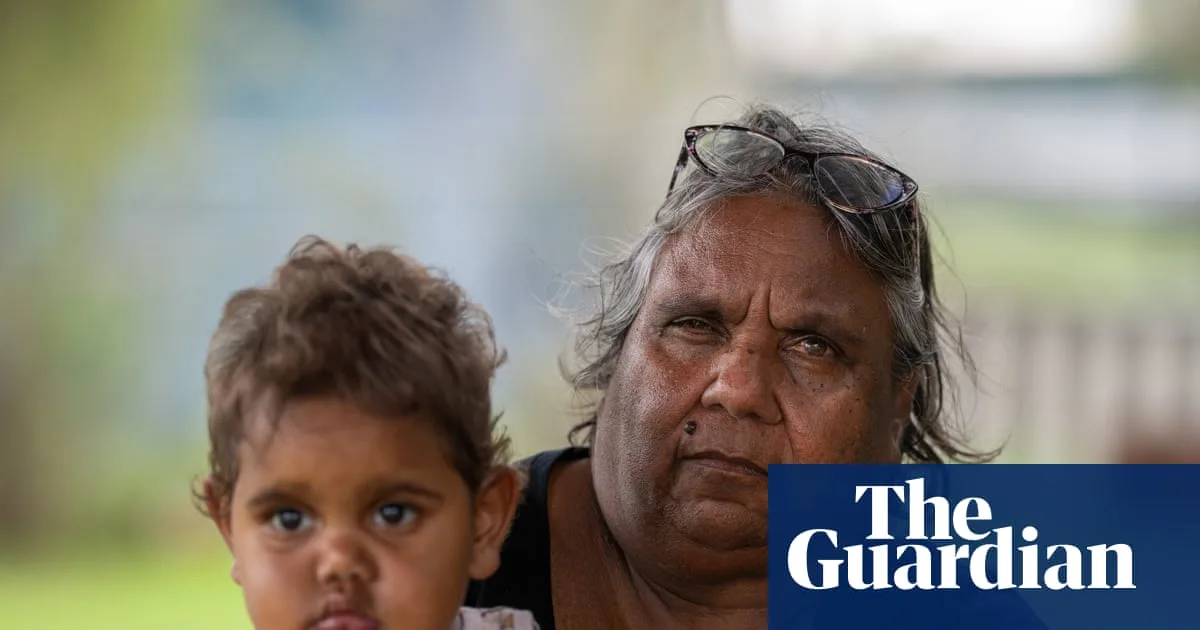
For Vanessa Napaltjari Davis, an Arrernte and Luritja woman living with her granddaughter and two great-grandchildren in Nyewente, also known as Trucking Yards, one of 18 town camps surrounding Alice Springs, the cost of keeping cool has become unsustainable. She typically pays $70 a week for prepaid electricity, but during the current extreme heat that credit is exhausted within two to three days, leaving her family without power for lights, refrigeration and cooling.
The Northern Territory has just recorded its 10th hottest January on record, with temperatures in the southern half of the territory well above average. Conditions are expected to worsen as the climate crisis drives more extreme heat, prompting warnings that Alice Springs and nearby desert communities could become too hot for human habitation. Davis's state-owned home is in urgent need of an upgrade, but since a prepaid smart meter was installed, she has struggled to keep the electricity connected.
Davis is among more than 65,000 Aboriginal people who rely on prepaid electricity in the Northern Territory, South Australia, Western Australia and Queensland. According to a 2025 study by the First Nations energy justice organisation Original Power, these households experience an average of 49 disconnections a year – nearly one per week – because they cannot afford to keep their accounts topped up. When credit runs out, power is automatically cut off.
As the sole provider in her household, Davis says she is often forced to choose between keeping the power on and buying food. "What's more important, the electricity or food? But to us, they are both important," she said. "We need the electricity to keep the fridge cool for the food to be stored in. If we don't keep the electricity on then the food goes off, then a lot of people have to wait until their next payday to buy more food."
Davis provided a breakdown of her power costs showing that between June and August she paid $1,331.12, and from September to November $920.64. For December and January she paid $663.97, yet lost power more than four times each month because she could not afford to keep topping up. Jacana Energy, the Northern Territory's electricity retailer, said prices are regulated and subsidised by the NT government, and that higher consumption during extreme temperatures means prepaid credit is used more quickly. The company said safeguards include emergency credit, friendly credit periods, and its Stay Connected hardship programme.
Extreme heat is the most common cause of weather-related hospitalisations and deaths in Australia, and the combination of baking temperatures and poor housing in the Northern Territory makes Aboriginal people especially vulnerable.




