Historic Beaver Release in Cornwall Marks New Era for UK Wildlife
The Cornwall Wildlife Trust has achieved a landmark moment in English conservation history, legally releasing beavers into a river system for the first time in 400 years. After a rigorous year-long process and expenditure of £150,000 in fees, the trust successfully gained approval from Natural England for this groundbreaking initiative.
A Momentous Occasion Amidst the Rain
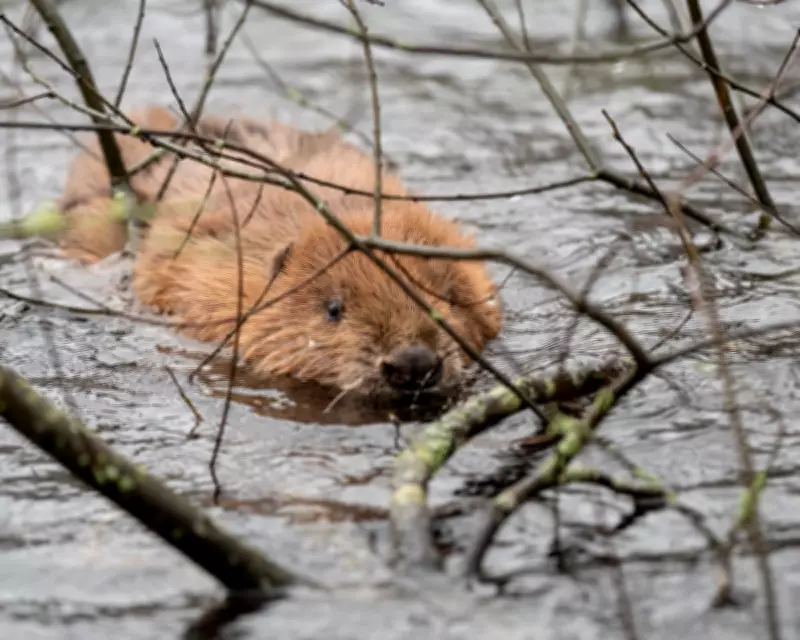
On a damp and chilly day at the Helman Tor reserve in Cornwall, a small group of onlookers watched in silent anticipation as a beaver took its initial steps into a new pond. With a decisive plop, the animal dove into the water and began swimming, breaking the tension and eliciting broad smiles from the assembled crowd. Cheryl Marriott, the director of nature and people for the Cornwall Wildlife Trust, humorously described the event as a beaver blind date, highlighting the pairing of two beavers from separate enclosures in Cheshire and Dorset.
The Significance of the Release
This release represents a critical milestone, as it is the first truly wild beaver reintroduction on the English mainland under a new government licensing system. While a previous legal release occurred last year in Dorset, those beavers were confined to a peninsula, unable to navigate a river system. Beavers, hunted to extinction in the UK centuries ago for their fur and oil, are recognized as a keystone species with profound environmental benefits.

Their dam-building activities slow water flow, reducing flood risks during heavy rainfall and storing water for drier periods, thereby enhancing drought resilience. Additionally, the wetlands they create filter pollutants, improve water quality, and provide habitats that boost populations of bats, fish, birds, amphibians, and invertebrates.
Challenges and Controversies in the Process
Despite these ecological advantages, securing government approval for beaver reintroductions has been a protracted and costly endeavor. The Labour government only recently agreed to grant licences, but the process has raised concerns among smaller organisations and individual landowners. Andy Collins, reserves manager for Cornwall, expressed excitement about the potential benefits, noting that beaver-created habitats could aid species like the rapidly declining willow tit.
The project, in development since 2012, has faced delays, leading some conservationists to take matters into their own hands. In February 2024, an unknown third party illegally released beavers at the site, an act termed beaver bombing. While not condoned, this unauthorized release demonstrated the species' rapid environmental impact, creating more wildlife ponds in less time and at no cost compared to manual efforts.
Future Prospects and Broader Implications
Looking ahead, the Cornwall Wildlife Trust plans to release up to 100 beavers across its reserves this year, with the National Trust also undertaking similar initiatives in Somerset. Natural England officials, including Stuart Otway from the complex cases unit, assert that the licensing process will become more streamlined and potentially cheaper, with over 30 projects under consideration for major river catchments like the Humber, Severn, and Thames.
However, challenges remain for individuals like local farmer Chris Jones, who has housed beavers in an enclosure since 2017. He reports significant benefits, such as improved grazing land during droughts and a surge in wildlife, but faces a lengthy and expensive path to securing a legal release licence, estimated to take at least three years and tens of thousands of pounds.
A Hopeful Conclusion
Despite the bureaucratic hurdles, the release day was filled with optimism. Lauren Jasper, beaver officer at the trust, shared her emotional reaction, noting that the real work of monitoring and ensuring project success now begins. In a fitting turn for Valentine's week, the paired beavers greeted each other with a sniff and swam off together, symbolizing a hopeful future for their species in the UK. This historic event not only marks the return of beavers but also sets a precedent for future conservation efforts aimed at restoring biodiversity and enhancing ecosystem resilience across England.