Australian PM Rejects Crocodile-Infested River for Olympic Rowing
PM Rejects Crocodile River for Olympic Rowing

Australian Prime Minister Rejects Crocodile-Infested River for Olympic Rowing

Prime Minister Anthony Albanese has firmly stated that the Fitzroy River, a known habitat for saltwater crocodiles, is not a sensible option for hosting Olympic rowing events. This declaration comes amid a growing controversy over plans to stage rowing competitions at the 2032 Brisbane Games on this predator-infested waterway.

Queensland's Ultimatum to International Olympic Committee

Queensland Deputy Premier Jarrod Bleijie has issued a stark ultimatum to the International Olympic Committee (IOC), asserting that rowing ain't happening at the Brisbane Games unless it takes place on the mighty Fitzroy River. Bleijie, who also serves as the state's infrastructure and planning minister, emphasized that the central Queensland city of Rockhampton is the only acceptable venue for these events.

Rowing is gonna be in Rocky, Bleijie declared. If they don't want it in Rocky – it ain't happening. That's a big call for the IOC.

Technical Concerns and Safety Issues

World Rowing and the IOC have yet to approve the Fitzroy River as a suitable venue for international competition. Key concerns extend beyond the presence of saltwater crocodiles to include:

  • Water quality and current conditions
  • Weed growth that could impede racing
  • Overall compliance with strict technical standards for Olympic events

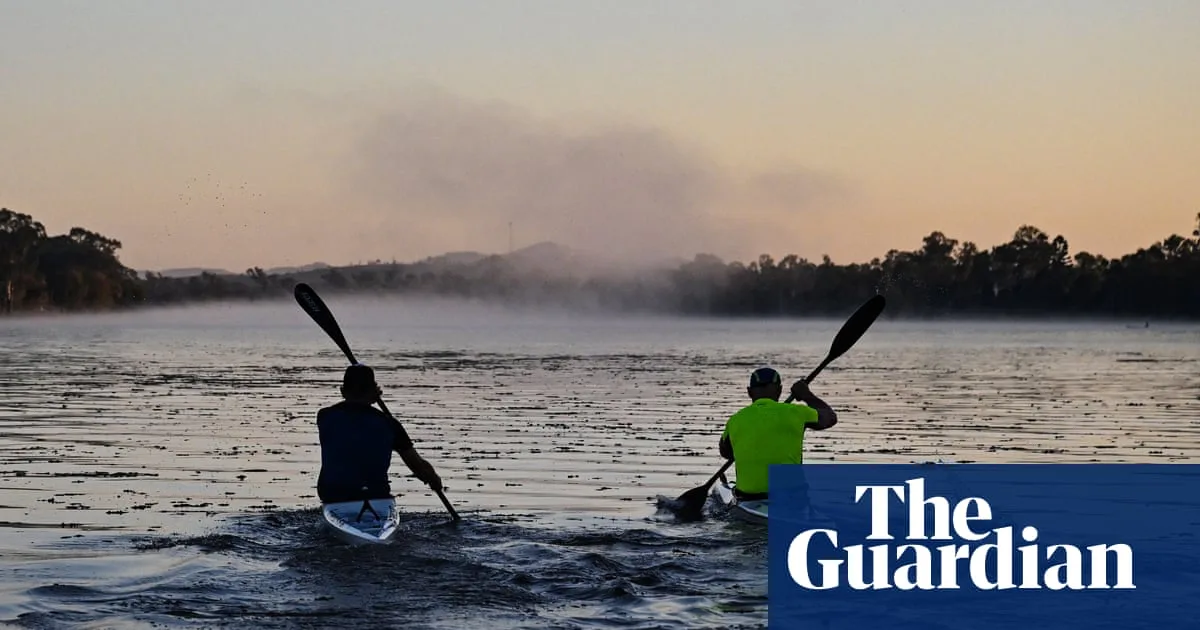
While rowers and canoeists regularly use sections of the river above protective barriers, the potential danger from crocodiles remains a significant public safety consideration. Park rangers are tasked with removing all large crocodiles from certain areas, but the risk persists in this natural habitat.

Historical Context and Political Brinkmanship

Rowing has been a staple of the modern Olympics since 1900, following its cancellation at the inaugural 1896 Games due to stormy seas off Athens. Queensland's threat to scrap rowing entirely would disrupt 136 years of Olympic tradition.

Steve Georgakis, a senior lecturer in sports studies at the University of Sydney, characterized Bleijie's stance as a bit of bravado and internal politicking designed to reassure Rockhampton constituents. Georgakis noted that similar negotiations occurred before the 2004 Athens Games, where international pressure ultimately led to improved facilities.

The IOC expects they will have the very, very best facilities, Georgakis explained. When they don't think they are the very best, they'll start to threaten the organisers.

Alternative Venues and Financial Considerations

Bleijie defended Queensland's position by citing the substantial investment of $7.1 billion in taxpayer money for the Games. He suggested this financial commitment gives the state government leverage in venue decisions.

However, alternative locations continue to emerge as potential hosts for Olympic rowing:

  1. Penrith's international regatta centre, built for the 2000 Sydney Olympics
  2. A proposed venue in Moreton Bay, just north of Brisbane

Despite these alternatives, Georgakis predicted that Brisbane organizers would ultimately meet IOC requirements to keep rowing in Rockhampton, describing the current conflict as typical Olympic Games politicking.

The Future of Olympic Rowing in Australia

Rowing holds special significance in Australian sports history, dating back to 1876 when Edward Ned Trickett became the country's first world champion in any sport. This historical importance, combined with rowing's central role in Australia's gold medal pursuits, makes it unlikely that the sport would be excluded from the 2032 Games.

As technical assessments of the Fitzroy River continue and political negotiations unfold, the question remains whether crocodiles and canoeists can coexist at Australia's upcoming Olympic celebration. The outcome will depend on balancing safety concerns, technical standards, and the complex dynamics of international sports diplomacy.