Melbourne Gardener Embraces Wattlebirds to Tackle Climate-Driven Pests
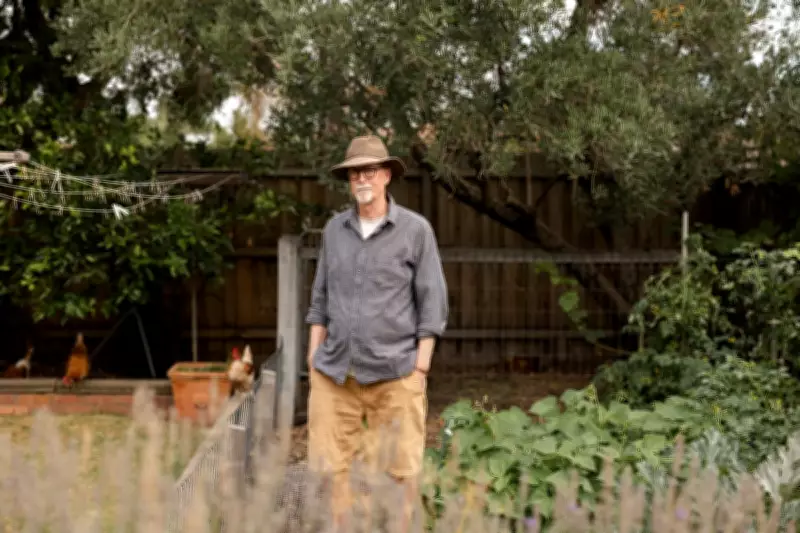
In the leafy suburb of Parkdale, Melbourne, Andrew Herrick faces a growing challenge in his back yard garden. Each summer, his harvest becomes more difficult due to the impacts of global warming, which has led to agricultural pests like fruit fly and codling moth creeping south into Australia. This year, he tried a novel approach: welcoming a family of yellow-bellied wattlebirds into his garden to deter less amiable avian visitors, a service he happily pays for in apricots.
The Insect Circus and Spoiled Crops
Herrick's wife recently encountered an insect circus in their kitchen sink while preparing homegrown apricots for drying. Grubs dropped from the fruit and leaped acrobatically between bowls, prompting her to declare, "I'm not eating another one." The 2024 apricot crop was spoiled, a trend not seen before global warming arrived in their back yard. Over the past two seasons, rising temperatures have caused fruit fly to strike their apricot tree, while a nearby jonathan apple tree, planted in the 1940s, has suffered from burnt fruit due to increasing UV levels and codling moth infections.
Despite efforts using attractant traps, trunk barriers, and natural repellents like garlic, chilli, citronella, and Neem, the pests persist. Herrick notes that this bayside Melbourne suburb was once leafier, but high-density living and concrete expansion have made their yard an inviting destination for wildlife. While they cherish wild creatures, their appetite for produce is less welcome.

Dealing with Possums and Lorikeets
Their first apricot tree died from exhaustion after ring-tail possums consumed its sweet spring leaves for two seasons. After seven years, fence spikes and a plastic owl have effectively dealt with the possums. To combat fruit fly, Herrick sprayed the fruit trees with a lime-sulphur mix, an ancient Roman method recommended by an elderly Italian neighbour, resulting in about 80% grub-free apricots in 2025. However, the apples remain a lost cause.
Each Christmas, a clan of rainbow lorikeets visits, shredding grub-infested apples and feeding the pulp to their youngsters, whose shrill whines resemble hungry human infants. Herrick often ponders the ethics of human-wildlife conflict while aiming an imaginary bazooka at the birds, acknowledging that they were here long before humans but also that he planted many of the trees they feast on.
Welcoming Wattlebirds as Natural Deterrents
This harvest, Herrick tried something new: instead of discouraging birds, he welcomed a family of yellow-bellied wattlebirds, attracted to nectar-producing flora in his garden. Wattle birds are aggressively territorial, even growling at Herrick when he picks apricots, and their presence discourages parrots and Indian mynahs. The mynahs, with their hostile warning screeches, make Herrick feel like a trespasser in his own yard, while the wattle birds now seem to accept him as non-threatening, happily nibbling apricots during breakfast.
Mynahs strip the Persian black mulberry tree, and fruit bats, a recent arrival likely due to climate change, take what's left at night. Despite this, Herrick manages to retrieve about two kilograms of fruit per season with selective netting, though the bats' nocturnal emissions turn his car into a vampire-purple abstract installation.
The Rhythms and Rewards of Orchard Life
Tending an orchard involves moving to the beat of trees, with chores like autumn pruning, spring fertilising, and remedies for pests. Harvest requires early rising to beat the birds and testing fruit for ripeness. Despite the challenges, Herrick questions why not concrete the place and head to the supermarket. The answer lies in the joy of being up in a tree, surrounded by bounty, and bringing a feast to the kitchen made of sunlight, air, soil, and water.
From bright citrus in winter to apricots preserved and sun-dried, along with chilli, kimchi, olives, pesto, and mulberry ice-cream, the rewards of gardening on a small patch of ground are immense. This sustainable approach, leveraging nature's own defenses, offers a hopeful model for urban gardeners facing climate-related pests.