
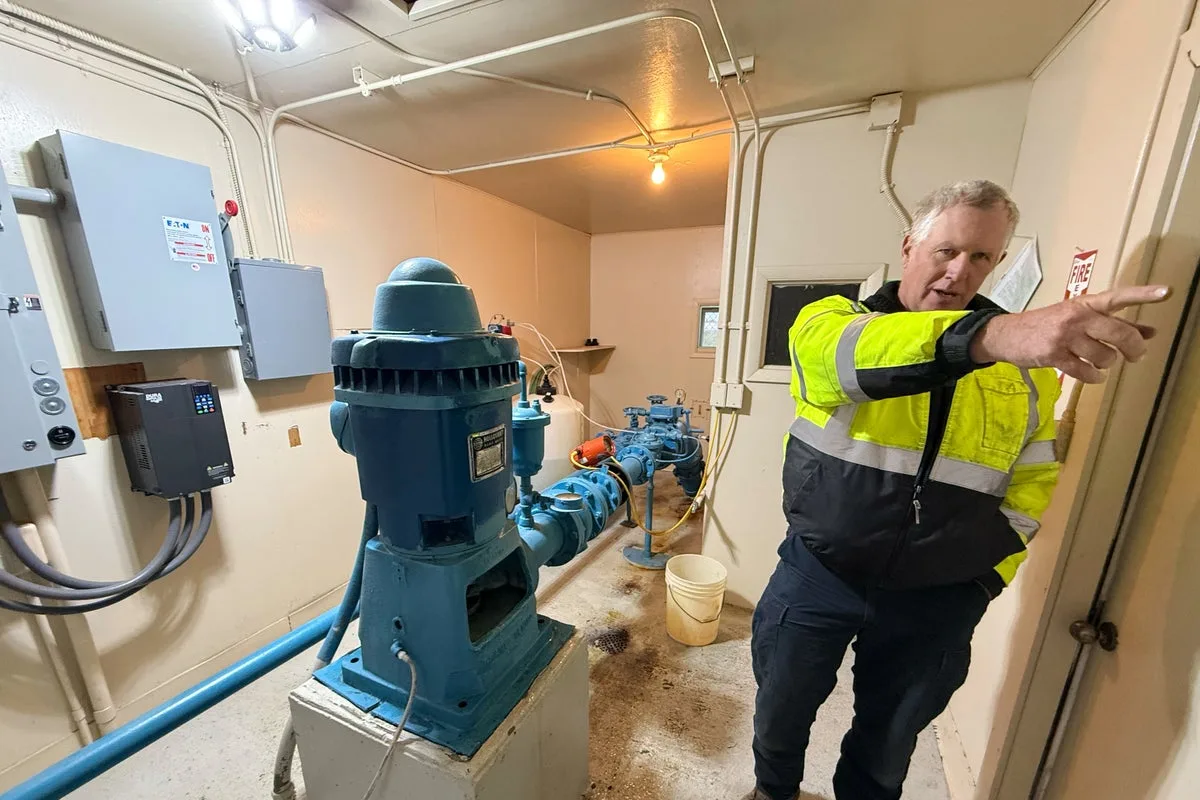
Fairfield, a small town in north-central Montana, is facing a severe water shortage as a combination of drought and failing infrastructure pushes its supply to the brink. Chuck Dale, the town's water supervisor, described the situation as akin to pouring water onto packed dirt: little reaches the bottom. With three of eight wells non-operational and another three running at partial capacity, the town can currently pump only 450 gallons per minute for about seven hours a day, far below the summer demand of 650 gallons per minute for 16 hours.
The water system loses roughly half of its water due to leaks in old, deteriorating pipes, according to a report from Great West Engineering. Nearly two-thirds of the pipes were installed in 1946, and the loss rate is more than triple the standard 15%. Jake Garcin of the Montana Department of Environmental Quality noted that such losses are typical for ageing systems, with other small towns like Fairview, Alberton, Martinsdale and Circle facing similar issues.
Efforts to drill new wells have failed; four attempts in the last two years, including two last week, found insufficient water. At a recent meeting, the Fairfield Town Council passed measures to mitigate the crisis, including allocating funds for improved plumbing, increasing water rates and restricting non-essential use such as lawn watering. If more wells fail, Dale warned that the town may have to bring in portable toilets for schools and businesses, a measure last used 23 years ago.
The shortage also threatens local agriculture. The surrounding Sun River Project, which irrigates about 93,000 acres of farmland, is facing reduced supplies. Farmer Susie Konen said the limited water makes her more dependent on weather, while resident Christi Hardin has abandoned plans to grow tomatoes and peppers this summer. Dale noted that last year's early shutdown of irrigation for farmers indicated the wells would struggle, and the town's options remain limited.




