RSPB Calls for Summer Pause on Seed Feeders to Protect Garden Birds
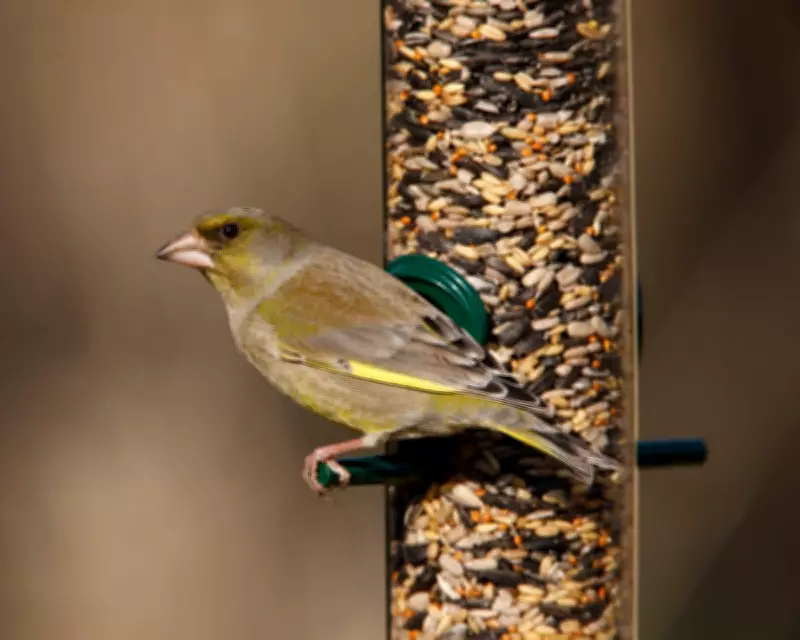
The Royal Society for the Protection of Birds (RSPB) has issued new guidance urging bird enthusiasts to adjust their feeding habits seasonally to combat the spread of avian diseases, particularly trichomonosis. This parasitic disease, which thrives in warmer months, has led to significant declines in species like the greenfinch, now listed as endangered in Britain.
Seasonal Feeding Strategy to Reduce Disease Transmission
From 1 May to 31 October, the RSPB advises removing all bird feeders containing seeds and peanuts. Instead, they recommend offering small amounts of protein-rich foods such as mealworms, fat balls, or suet. These alternatives are less likely to attract large clusters of finches, which can facilitate the transmission of trichomonosis through saliva and other fluids at feeders.
Beccy Speight, chief executive of the RSPB, emphasized: "We're not asking people to stop feeding, just to feed in a way that protects birds' long-term health. By making small changes together, we can ensure garden feeding continues to be a positive force for nature."

Impact on Bird Populations and Big Garden Birdwatch Results
Recent data from the Big Garden Birdwatch, involving 650,000 participants, highlights the urgency of this issue. The greenfinch has seen a 67% decline in average numbers since the survey began in 1979, now ranking 18th overall. An estimated 6 million greenfinches and chaffinches have died from trichomonosis in recent years.
In the 2026 results, the house sparrow retained the top spot, followed by the blue tit and starling. However, many species show concerning population trends:
- House sparrow: 64.3% decline since 1979
- Starling: 85.1% decline since 1979
- Wood pigeon: 1,003% increase since 1979
Additional Recommendations for Bird Health
Beyond seasonal feeding, the RSPB suggests retiring bird tables and flat-surfaced feeders, as these can collect contaminated food and increase disease risk. Regular maintenance is crucial:
- Clean and move feeders weekly
- Change water in bird baths daily
- Plant bird-friendly gardens with sunflowers, teasels, and ivy to provide natural food sources and encourage insects
During winter, when trichomonosis spreads less easily, feeding with seeds and feeders can resume. However, the charity stresses that these practices help balance the benefits of supplementary feeding with the need to minimize environmental impacts, such as changes to local phosphorus cycles that can reduce biodiversity.
The RSPB's "feed safely and feed seasonally" approach aims to safeguard garden birds while allowing people to continue enjoying this popular activity. With collective action, it is hoped that declines in vulnerable species can be reversed, ensuring a healthier future for Britain's avian populations.